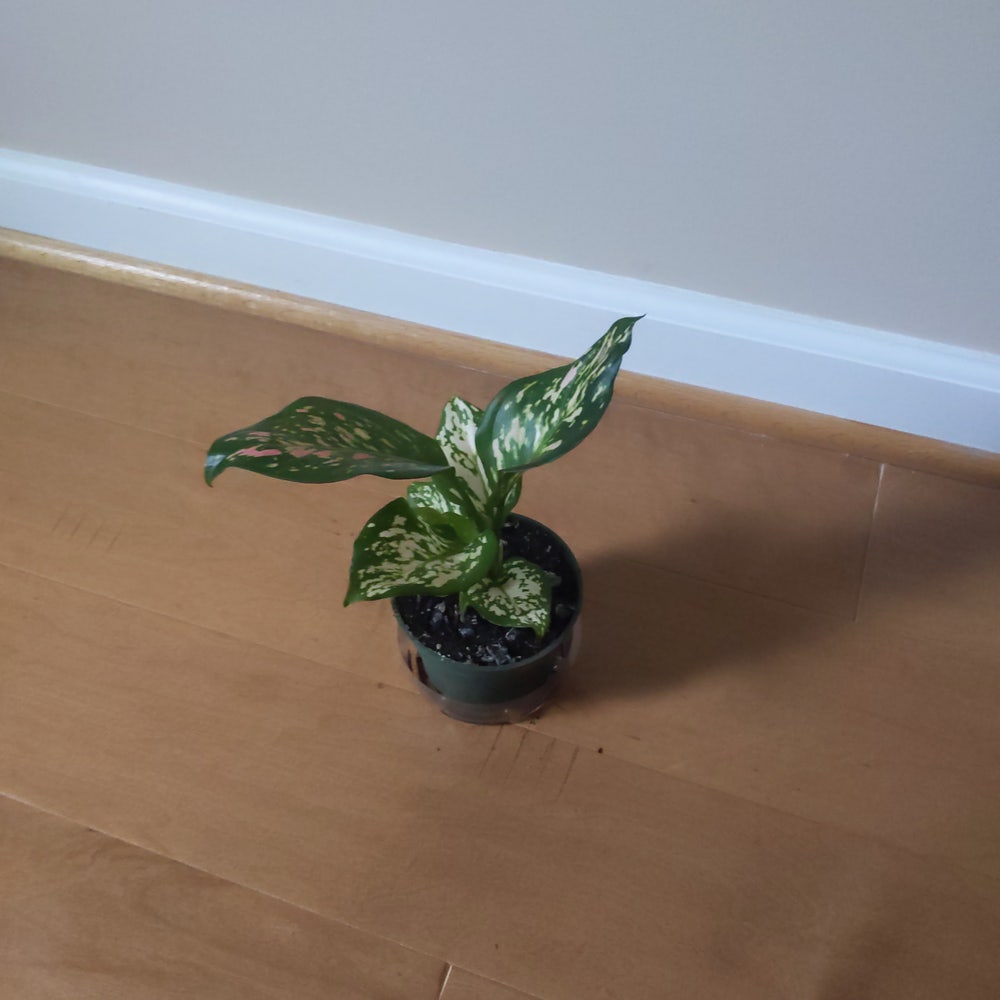
🌸 Why Pink Dalmatian Aglaonema Is Not an Annual
Aglaonema 'Pink Dalmatian'
By the Greg Editorial Team
Sep 30, 2024•3 min read
This article was created with the help of AI so we can cover more plants for you. May contain errors. See one? Report it here.
- 🌱 Pink Dalmatian Aglaonema is a perennial, thriving year-round with proper care.
- 🌿 Deep roots enhance nutrient absorption, supporting its long-term growth and resilience.
- 🌞 Optimized leaf structure ensures efficient photosynthesis, vital for its longevity.
Pink Dalmatian Aglaonema as a Perennial
🌱 Genetic Characteristics
The Pink Dalmatian Aglaonema boasts a unique chromosomal structure that supports its perennial growth. This genetic makeup allows it to thrive over multiple seasons, adapting to various environmental conditions.
🌿 Physiological Traits Supporting Perennial Classification
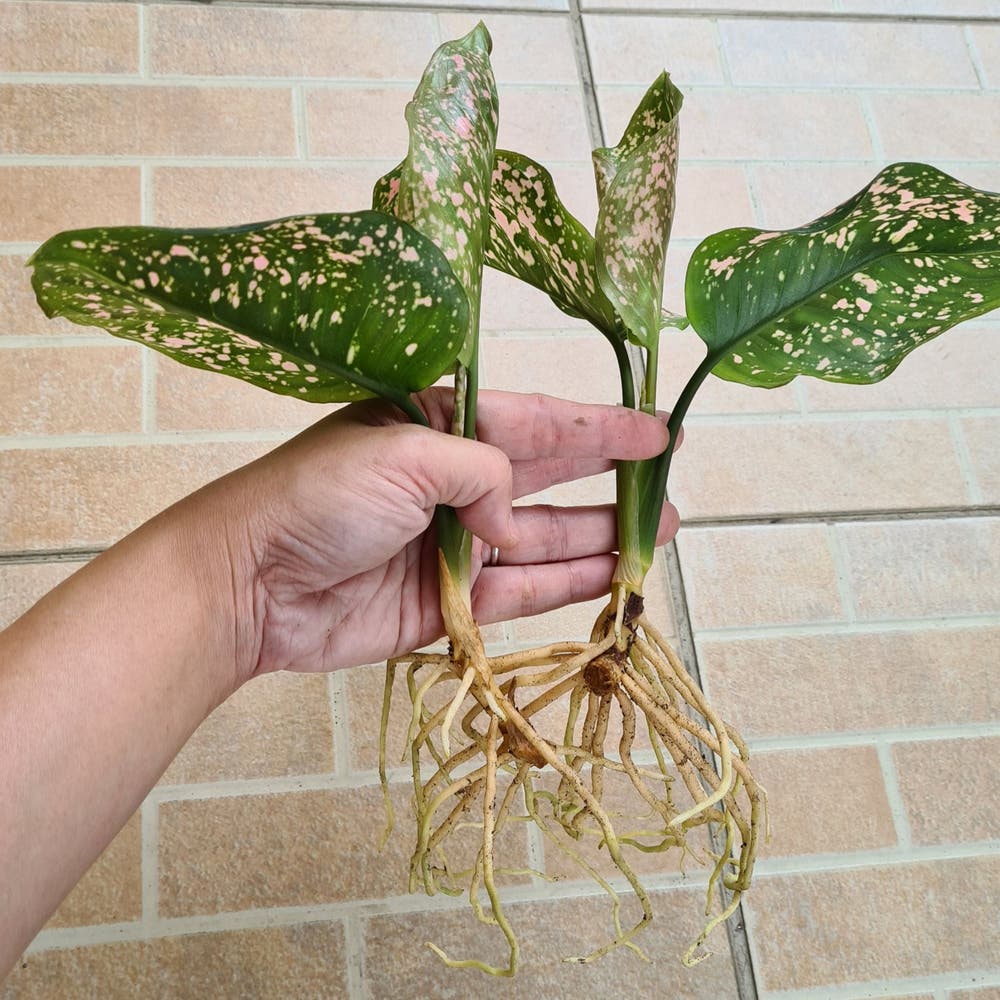
Its extensive and deep-rooted system is crucial for nutrient absorption, enabling the plant to access resources effectively. Additionally, the leaf structure is finely tuned for photosynthesis, allowing it to harness sunlight efficiently throughout the year.
📈 Long-Term Lifecycle and Growth Patterns
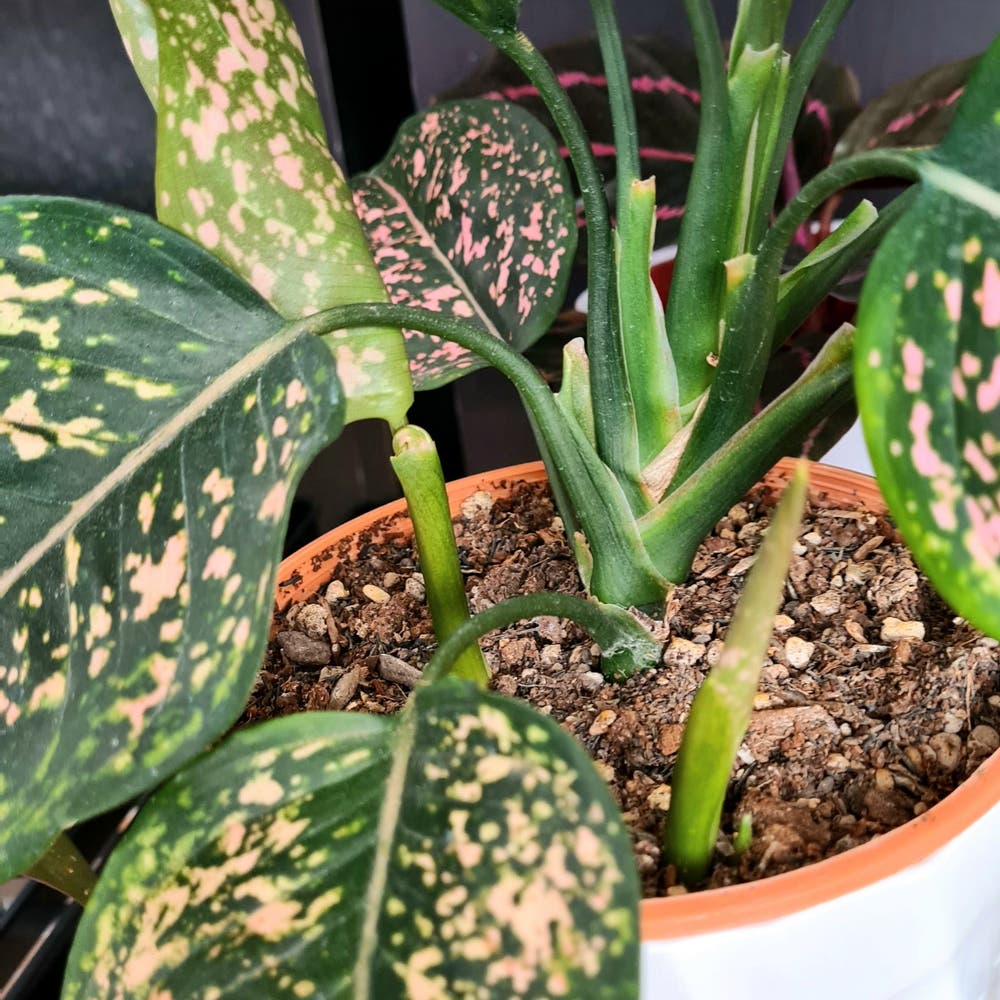
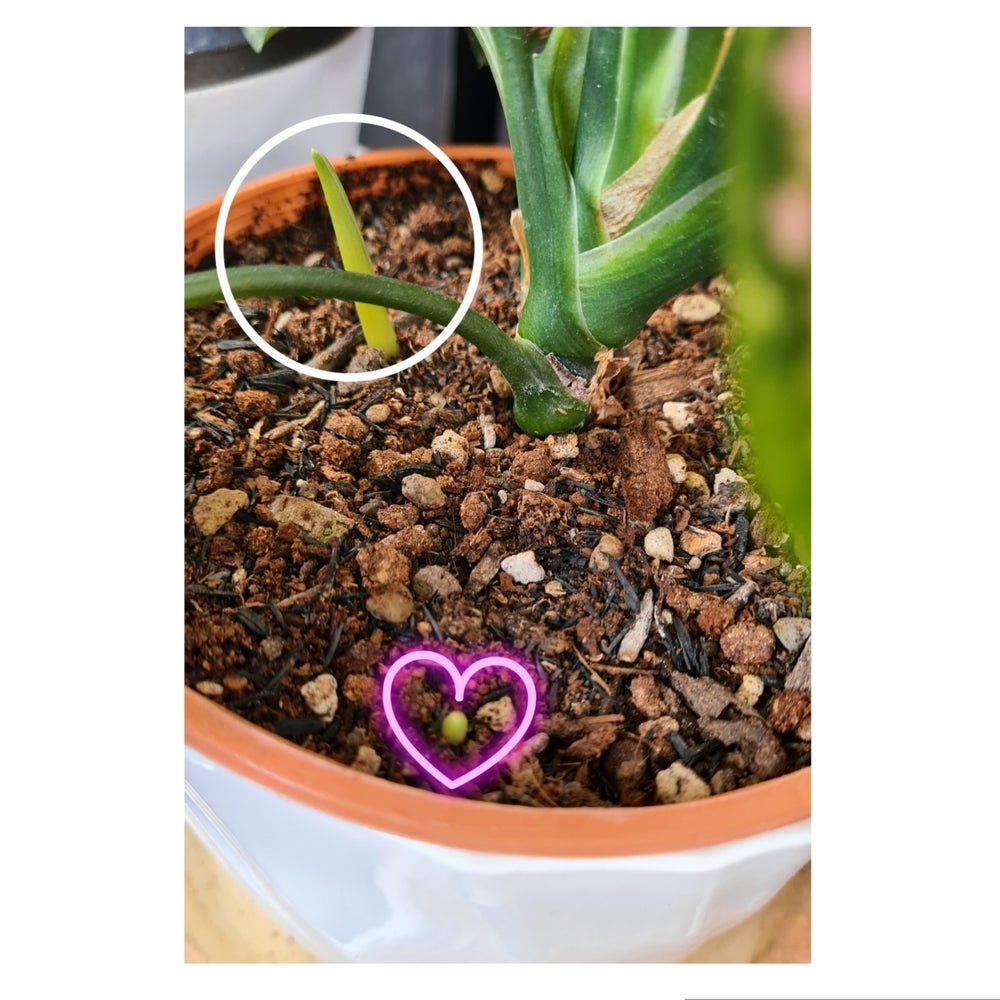
While its growth rate is slow, it establishes a strong foundation that contributes to its longevity. The ability to produce offsets through clonal reproduction further enhances its resilience and capacity for survival.
🔄 Lifecycle Comparison
🌸 Reproductive Strategies
The Pink Dalmatian Aglaonema has occasional flowering habits primarily aimed at seed production. It employs both self-pollination and cross-pollination methods, ensuring genetic diversity.
🌼 Differences in Flowering and Seed Production Compared to Annuals
Flowering occurs less frequently and is often influenced by environmental conditions. Unlike annuals, its seeds have long-term storage potential, allowing for a more extended lifecycle.
📅 Implications of Perennial Lifecycle on Growth and Care
Caring for this plant requires adjustments for long-term growth, as its needs differ from those of annuals. Seasonal considerations are vital for managing its growth cycles effectively, ensuring it remains healthy year-round.
❓ Misconceptions and Exceptions
🌱 Conditions Where It May Be Treated as an Annual
In indoor settings with limited light and space, the Pink Dalmatian may be treated as an annual. Environmental stressors like temperature fluctuations and humidity can also impact its growth, leading to misconceptions about its perennial nature.
🌍 Regional Variations Affecting Its Classification
Climate plays a significant role in how this plant is classified. Tropical environments may support its perennial characteristics, while temperate regions can lead to misunderstandings in local gardening practices.
🌼 Garden Design and Planning
🎨 Advantages in Garden Design
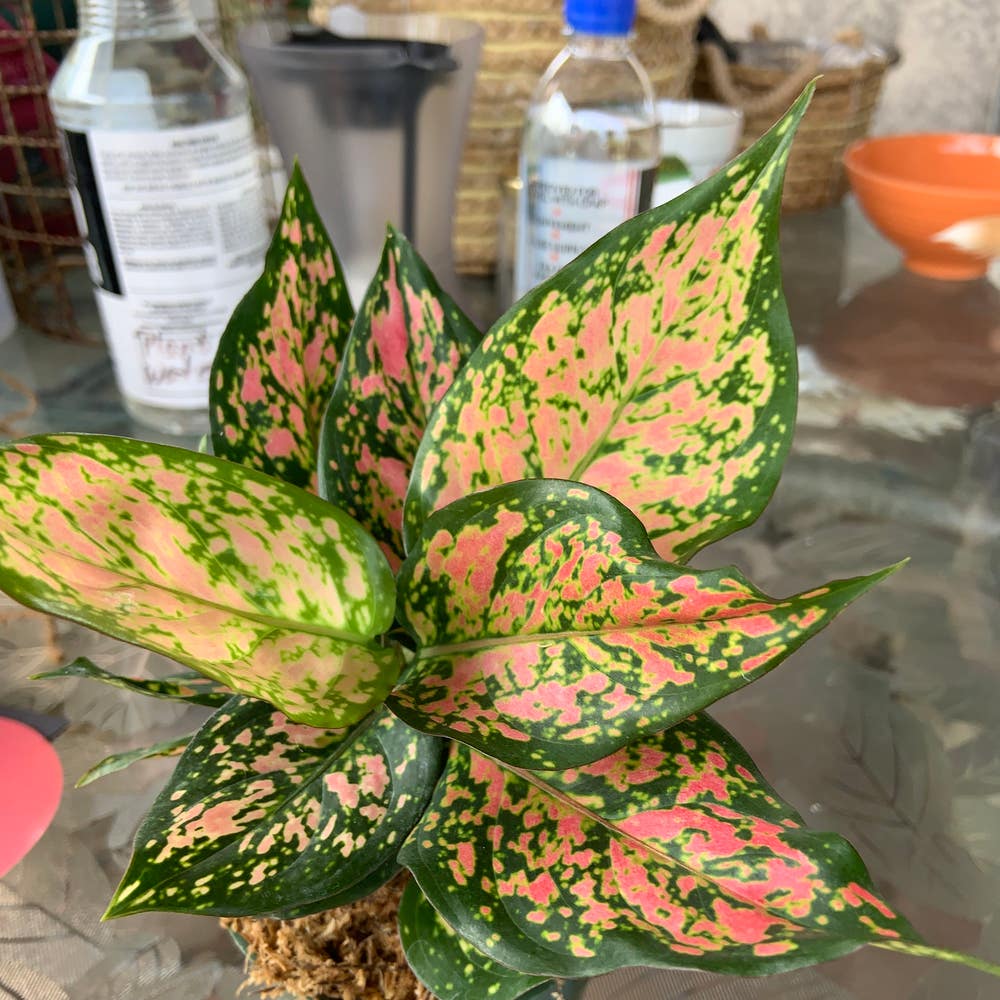
The striking foliage of the Pink Dalmatian Aglaonema adds visual interest to any garden. Its versatility makes it suitable for various indoor and outdoor settings, enhancing overall aesthetics.
🌳 Strategies for Incorporating Perennials into Planting Plans
Companion planting with other perennials can create diverse landscapes. Seasonal planning ensures year-round interest and color, making it a valuable addition to any garden.
⏳ Maximizing Longevity
💧 Tips for Managing as a Perennial
Consistent moisture is essential, but avoid waterlogging to keep the plant healthy. A balanced fertilization schedule will provide the nutrients needed for sustained growth.
🌱 Best Practices for Ensuring Long-Term Health and Growth
Regular pruning encourages bushier growth and helps remove dead leaves. Implementing organic pest management through regular inspections will further ensure its long-term health.
With these insights, you'll be well-equipped to appreciate and care for your Pink Dalmatian Aglaonema as the perennial it truly is. Next, we'll explore common misconceptions and exceptions that might affect its classification.
⚠️ Safety First
This content is for general information and may contain errors, omissions, or outdated details. It is not medical, veterinary advice, or an endorsement of therapeutic claims.
Always consult a qualified healthcare professional before using any plant as food, medicine, or supplement.
Never eat any plant (or feed one to pets) without confirming its identity with at least two trusted sources.
If you suspect poisoning, call Poison Control (800) 222-1222, the Pet Poison Helpline (800) 213-6680, or your local emergency service immediately.
Spotted an error? Please report it here.
Ensure your Pink Dalmatian Aglaonema thrives 🌿 year-round with Greg's tailored care tips and watering reminders for a vibrant, resilient plant!