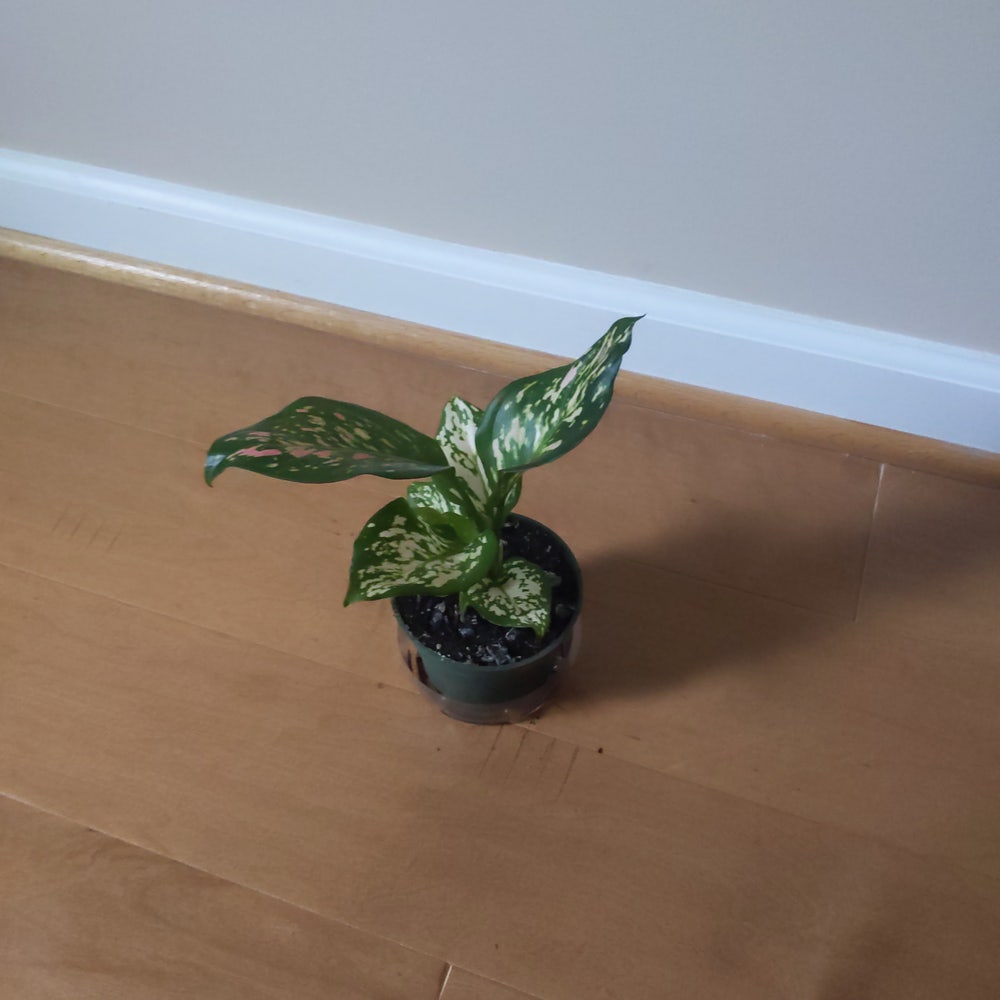
🐶 Pink Dalmatian Aglaonema Hardiness Zones: 10a-12b
Aglaonema 'Pink Dalmatian'
By the Greg Editorial Team
Sep 30, 2024•5 min read
This article was created with the help of AI so we can cover more plants for you. May contain errors. See one? Report it here.
- 🌱 Pink Dalmatian Aglaonema thrives in zones 10a-12b, ideal for warm climates.
- ❄️ Protect from frost; temperatures below 50°F can harm this sensitive plant.
- 💧 High humidity and well-draining soil are essential for optimal growth and health.
Temperature Tolerance of Pink Dalmatian Aglaonema
❄️ Cold Tolerance Specifics
Pink Dalmatian Aglaonema is sensitive to frost and should be protected from temperatures below 50°F (10°C). Exposure to cold can stunt growth, cause leaf drop, and even lead to the plant's demise.
🔥 Heat Tolerance Specifics
On the flip side, this plant can thrive in temperatures up to 90°F (32°C), although it prefers a more moderate warmth. Excessive heat can result in leaf scorch and dehydration, especially if the plant isn't watered adequately.
🌡️ Ideal Temperature Ranges for Growth
For optimal growth, aim for a temperature range of 65°F to 80°F (18°C to 27°C). Additionally, maintaining humidity levels becomes crucial during warmer temperatures to keep your Pink Dalmatian Aglaonema thriving.
Understanding these temperature tolerances will help you create the perfect environment for your plant. Next, let’s explore the ideal growing regions for the Pink Dalmatian Aglaonema.
Ideal Growing Regions for Pink Dalmatian Aglaonema
🌎 Examples of US States in Zones 10a-12b
The Pink Dalmatian Aglaonema thrives in several states that fall within hardiness zones 10a to 12b. Notable states include California, Florida, Texas, and parts of Arizona, where the climate is generally warm and conducive to growth.
In California, regions like Southern California offer ideal conditions. Florida's humid subtropical climate is perfect, especially in areas like Miami and Orlando. Texas, particularly in the southern regions, also provides a suitable environment for this vibrant plant.
🌱 Factors Contributing to Ideal Growing Conditions
Warm temperatures and high humidity levels are essential for the Pink Dalmatian Aglaonema. These conditions mimic its native tropical habitat, allowing for optimal growth and vibrant foliage.
Soil type plays a crucial role as well. The plant prefers well-draining soil rich in organic matter, which helps retain moisture without becoming waterlogged. This combination of warmth, humidity, and proper soil ensures your Pink Dalmatian Aglaonema flourishes.
Understanding these ideal growing regions and conditions can help you cultivate a thriving Pink Dalmatian Aglaonema. With the right environment, this stunning plant can become a beautiful addition to your home or garden.
Next, we’ll explore how microclimates can impact the growing conditions for this unique plant.
Microclimates and Their Impact
🌡️ How Microclimates Can Extend Growing Zones
Microclimates are localized areas that can significantly differ in temperature and humidity from the surrounding environment. For Pink Dalmatian Aglaonema, these variations can create warmer or cooler conditions, enhancing its growth potential.
Sheltered areas, like those near buildings or fences, can provide a buffer against harsh weather. Urban heat islands, where concrete and asphalt absorb heat, can also create a more favorable climate for these plants.
🌱 Benefits of Microclimates for Pink Dalmatian Aglaonema
Microclimates can extend the growing season for Pink Dalmatian Aglaonema by providing a more stable environment. This stability helps prevent the stress that can arise from sudden temperature fluctuations.
Additionally, these areas often retain moisture better, which is crucial for maintaining the humidity levels that Aglaonema thrives on. The right microclimate can make all the difference in keeping your plant healthy and vibrant.
🏙️ Examples of Microclimates That Benefit Pink Dalmatian Aglaonema
Urban settings often feature heat-retaining materials like brick and stone. These materials can absorb and radiate warmth, creating a cozy environment for your Pink Dalmatian Aglaonema.
Natural windbreaks, such as trees or shrubs, can also provide essential shelter from cold winds. This protection can help maintain a more consistent temperature, allowing your plant to flourish even in less-than-ideal conditions.
Understanding microclimates is key to optimizing your growing strategy. By leveraging these localized conditions, you can ensure your Pink Dalmatian Aglaonema thrives in its environment.
Next, we’ll explore which states are particularly suitable for growing this beautiful plant, along with those that may pose challenges.
States Suitable and Unsuitable for Pink Dalmatian Aglaonema
🌞 List of States in Hardiness Zones 10a-12b
The Pink Dalmatian Aglaonema thrives in warm climates, making several U.S. states ideal for its growth. Notable states include:
- California: Particularly in coastal areas and southern regions.
- Florida: The entire state offers a tropical climate.
- Texas: Look for regions near the Gulf Coast.
- Louisiana: Humid conditions are perfect for this plant.
- Hawaii: The warm, tropical environment is a natural fit.
These states provide the necessary warmth and humidity for optimal growth.
🚫 States Outside the Suitable Range and Reasons Why
While some states are perfect for the Pink Dalmatian Aglaonema, others are not as forgiving. States like:
- North Dakota
- Montana
- Maine
These regions experience colder temperatures and longer frost periods, making them unsuitable for this tropical plant. The harsh winters can lead to stunted growth or even plant death.
❄️ Discussion on Frost Dates and Their Relevance to Growing
Understanding frost dates is crucial for successful cultivation of the Pink Dalmatian Aglaonema. The first frost date marks when temperatures drop low enough to potentially harm plants, while the last frost date indicates when it's safe to plant outdoors.
Knowing these dates helps gardeners plan effectively, ensuring they protect their plants from unexpected cold snaps. This knowledge empowers you to make informed decisions about when to plant and how to care for your Aglaonema, maximizing its growth potential.
As you consider your gardening plans, keep these frost dates in mind to create the best environment for your Pink Dalmatian Aglaonema.
⚠️ Safety First
This content is for general information and may contain errors, omissions, or outdated details. It is not medical, veterinary advice, or an endorsement of therapeutic claims.
Always consult a qualified healthcare professional before using any plant as food, medicine, or supplement.
Never eat any plant (or feed one to pets) without confirming its identity with at least two trusted sources.
If you suspect poisoning, call Poison Control (800) 222-1222, the Pet Poison Helpline (800) 213-6680, or your local emergency service immediately.
Spotted an error? Please report it here.
Keep your Pink Dalmatian Aglaonema thriving 🌿 by using Greg for tailored care reminders that protect against frost and boost humidity levels!