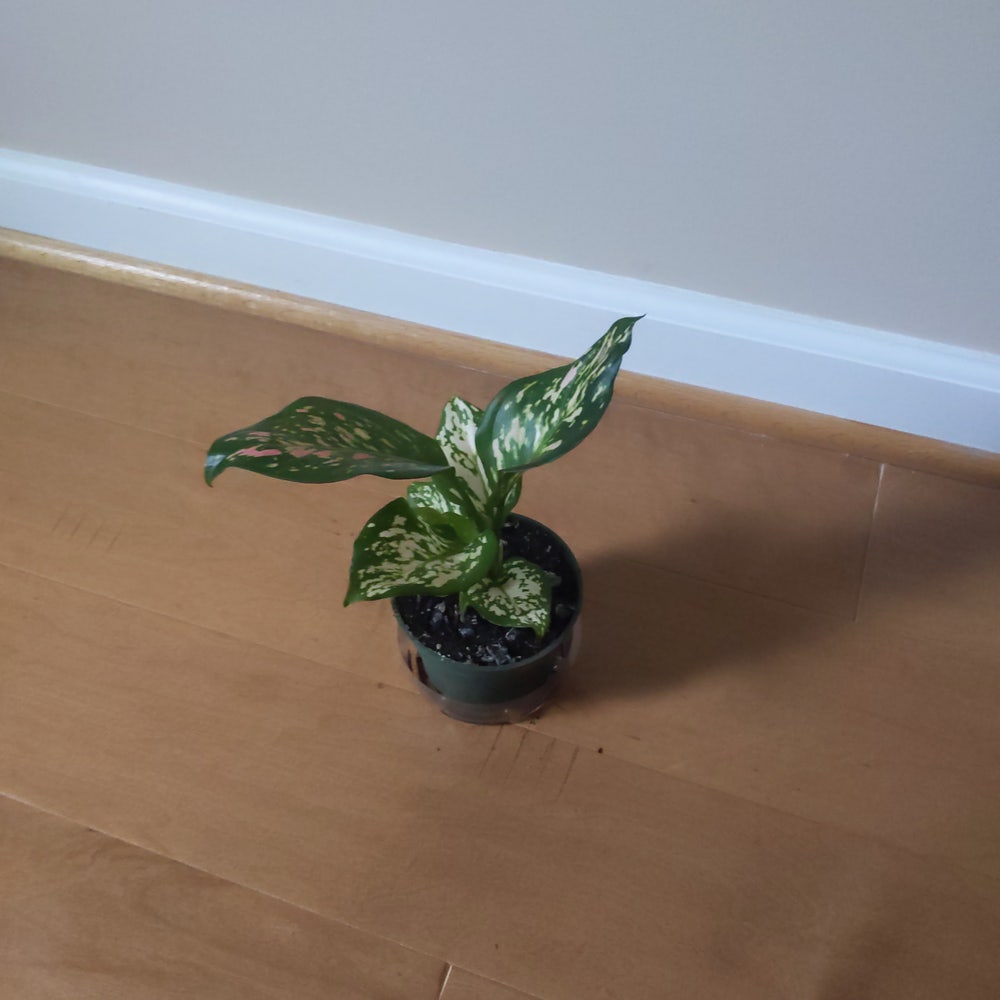
🌸 What Do Pink Dalmatian Aglaonema Flowers Mean?
Aglaonema 'Pink Dalmatian'
By the Greg Editorial Team
Jun 18, 2024•4 min read
This article was created with the help of AI so we can cover more plants for you. May contain errors. See one? Report it here.
- Healthy or stressed? Blooms can indicate either in Pink Dalmatian Aglaonema.
- 🌱 Indirect light, right moisture, and 60-70°F encourage flowering.
- No flowers? Check light, water, temperature, and fertilization.
Decoding the Blooms of Pink Dalmatian Aglaonema
When your Pink Dalmatian Aglaonema flowers, it's like getting a green thumb's high-five. It means you've nailed the care routine, or your plant is throwing a Hail Mary because it's stressed. Either way, it's showtime.
🌸 What It Means When Your Plant Flowers
Flowering is a natural part of the Aglaonema's life cycle, often signaling a happy, healthy plant. But don't get too cocky; sometimes it's a plant's last-ditch effort to reproduce under less-than-ideal conditions. Keep an eye out for signs of distress despite the floral fanfare.
🌼 The Lifecycle of a Pink Dalmatian Aglaonema Bloom
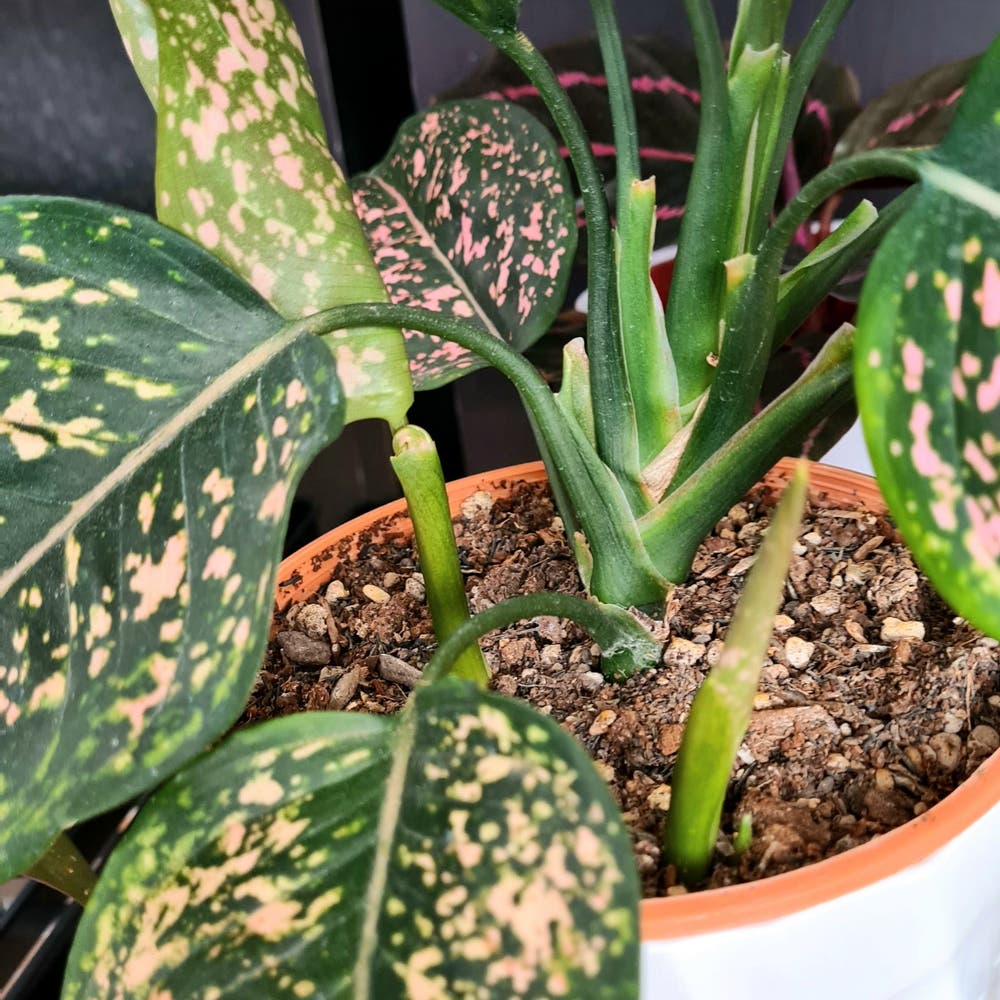
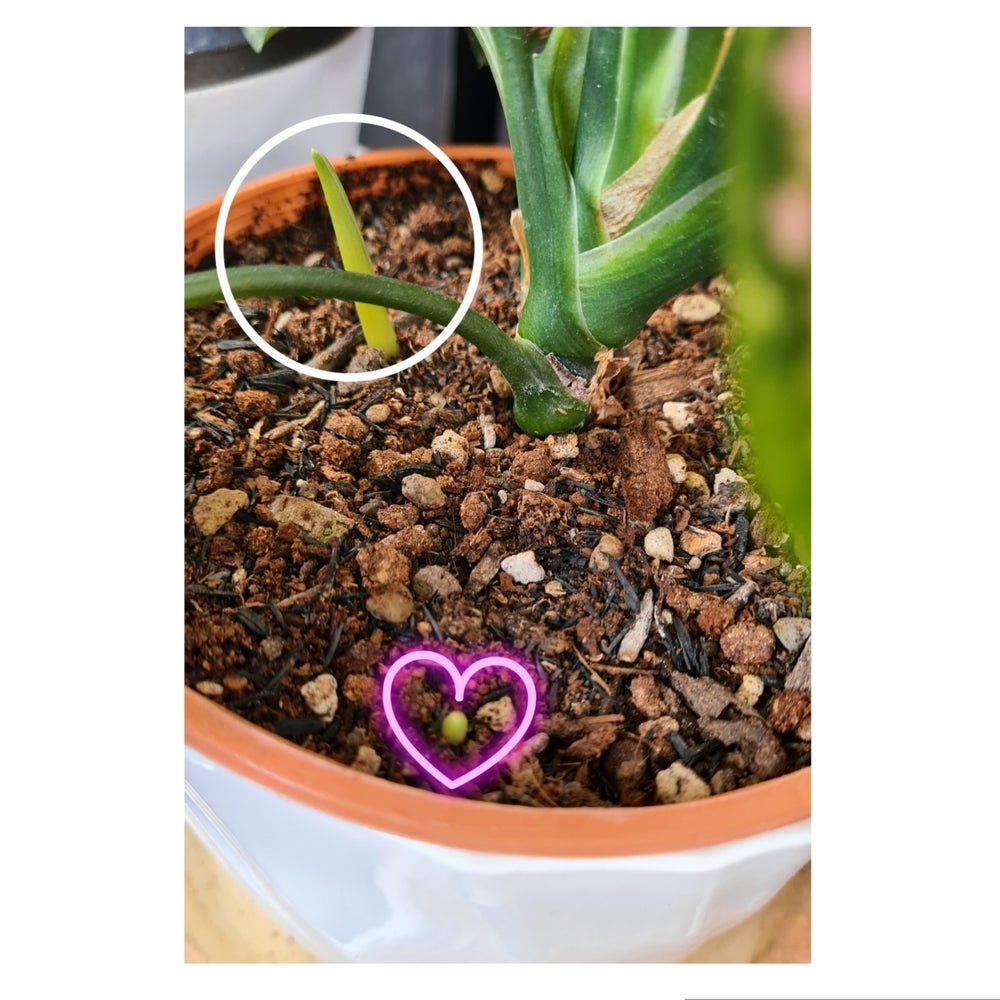
Buds to Blossoms: It starts with a bashful bud, then blooms into a spectacle of spadix and spathe. These aren't your show-stealing roses or tulips; Aglaonema flowers are more understated, with their own quiet charm. The whole process is a slow burn, with the flowers hanging around for a few weeks, giving you plenty of time to admire your handiwork.

The Right Conditions for Pink Dalmatian Aglaonema Flowers
🌞 Light: The Sweet Spot for Sparking Blooms
Indirect bright light is your Pink Dalmatian Aglaonema's best friend. Think of it as the plant's morning coffee, essential but not too strong. Direct morning sun won't hurt, but the harsh afternoon rays? A definite no-go—they're leaf scorchers.
💧 Water and Humidity: Balancing Moisture for Optimal Flowering
When it comes to water, this plant doesn't like to play guessing games. Water when the top 50% of soil feels like a wrung-out sponge—moist but not soggy. Humidity is another piece of the puzzle. While the Pink Dalmatian isn't a diva, it does appreciate a bit of pampering. Group it with other plants or set it on a pebble tray to up the ante on ambient moisture.
🌡 Temperature: Keeping it Cozy for Your Blooming Buddy
Your Aglaonema is a bit like Goldilocks—not too hot, not too cold. Aim for a sweet spot between 60 to 70 degrees Fahrenheit. Keep it away from drafts and vents like you would a sneezing friend during flu season. Remember, a cozy plant is a happy plant.

Feeding Your Flowering Friend
💧 Fertilization: Nutrients that Nudge Pink Dalmatian Aglaonema to Flower
Fortnightly liquid fertilizer during the growing season is like a green light for your Pink Dalmatian Aglaonema's blooms. Winter is a no-feed zone; the plant's on a diet. If it's growing like a weed, ease off the gas. Looking sad? Time for a nutrient pick-me-up.
Remember, it's the Goldilocks principle: not too much, not too little. A balanced NPK fertilizer is your best bet. Think of it as a multivitamin for your plant—keeping it healthy and primed for those show-stopping flowers.
🌱 Soil and Potting Mix: Laying the Groundwork for Great Blooms
The soil mix is more than just dirt—it's the VIP lounge for your plant's roots. A well-draining mix is key; think potting soil with a dash of perlite or sand. Leca balls? They're the soil's trendy sneakers, lightweight and stylish.
Your Aglaonema's roots crave oxygen, and a soggy soil mix is like a wet blanket at a party—total buzzkill. Keep it airy, keep it loose, and you'll have a blooming buddy that's the talk of the town.

Troubleshooting Flowering Issues
🌼 Common Reasons for Non-Flowering
Light is crucial. Your Pink Dalmatian Aglaonema might be throwing a silent protest by not flowering if it's stuck in a dimly lit room. Watering habits are also a suspect; too much love can drown the roots, while neglect can leave the plant parched and bloomless. Temperature swings can stress your plant out, making it too moody to produce flowers. Lastly, if you've been stingy with the fertilizer, your Aglaonema might be on a nutrient strike.
💡 Tips to Encourage Blooming
To kick-start the blooming, reassess the lighting; indirect but bright light is the sweet spot. For watering, maintain a Goldilocks routine—not too much, not too little. If you've been overwatering, take a step back. Let the soil dry out a bit between waterings. Temperature consistency keeps the plant comfortable and more likely to flower. And don't forget the fertilizer—a balanced diet can coax those blooms out. If all else fails, consider a foliar spray of gibberellic acid (GA3) as a last resort; it's like a floral pep talk. But remember, sometimes no blooms just mean your plant is focusing on being fabulous foliage, and that's okay too.
⚠️ Safety First
This content is for general information and may contain errors, omissions, or outdated details. It is not medical, veterinary advice, or an endorsement of therapeutic claims.
Always consult a qualified healthcare professional before using any plant as food, medicine, or supplement.
Never eat any plant (or feed one to pets) without confirming its identity with at least two trusted sources.
If you suspect poisoning, call Poison Control (800) 222-1222, the Pet Poison Helpline (800) 213-6680, or your local emergency service immediately.
Spotted an error? Please report it here.
Ensure your Pink Dalmatian Aglaonema is thriving 🌸 with Greg's personalized care plans that nail the perfect balance of light, water, and nutrients for spectacular blooms.