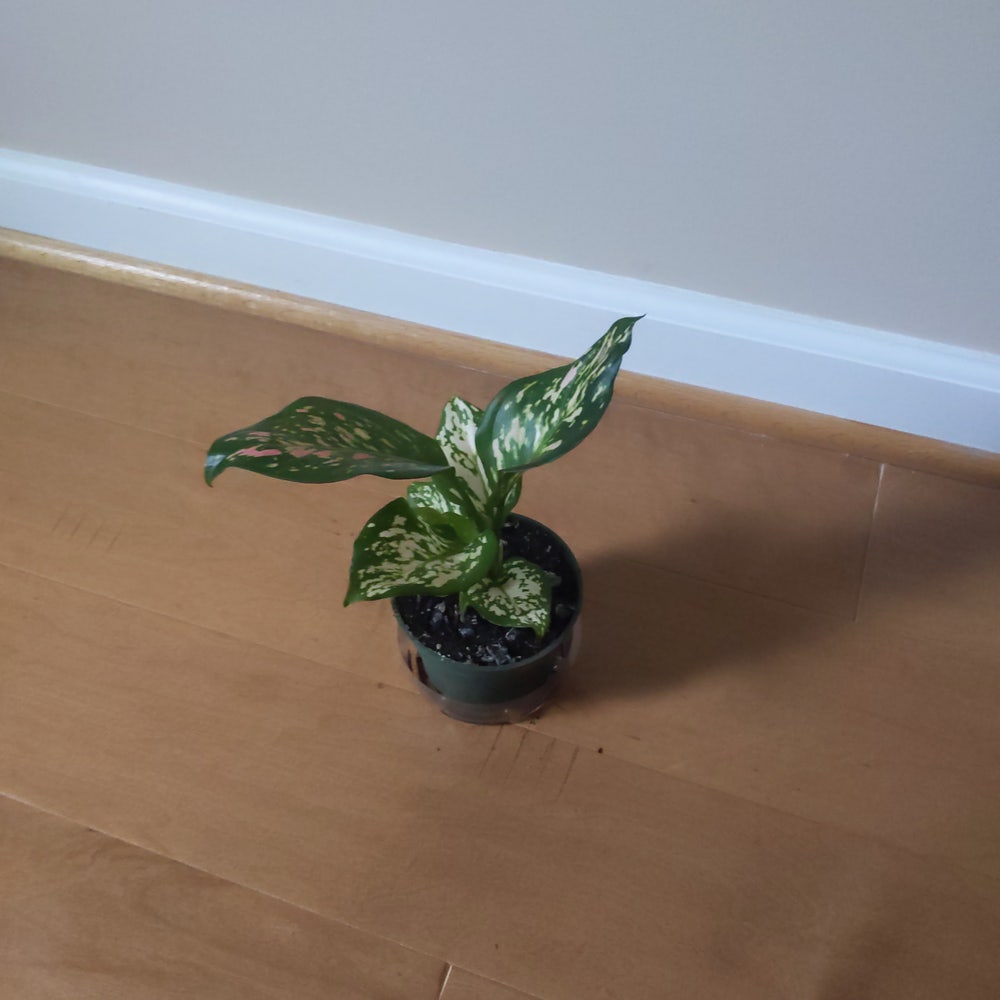
Should I Repot My Pink Dalmatian Aglaonema?
Aglaonema 'Pink Dalmatian'
By the Greg Editorial Team
Jun 18, 2024•4 min read
This article was created with the help of AI so we can cover more plants for you. May contain errors. See one? Report it here.
- Tangled roots and yellow leaves mean it's repotting time.
- 🌱 Spring repotting promotes healthy Aglaonema growth.
- Terracotta or ceramic pots are best; avoid glass and metal.
Spot the Clues: When Your Aglaonema is Screaming for Space
🌱 Root Clues: The Tangled Web Below
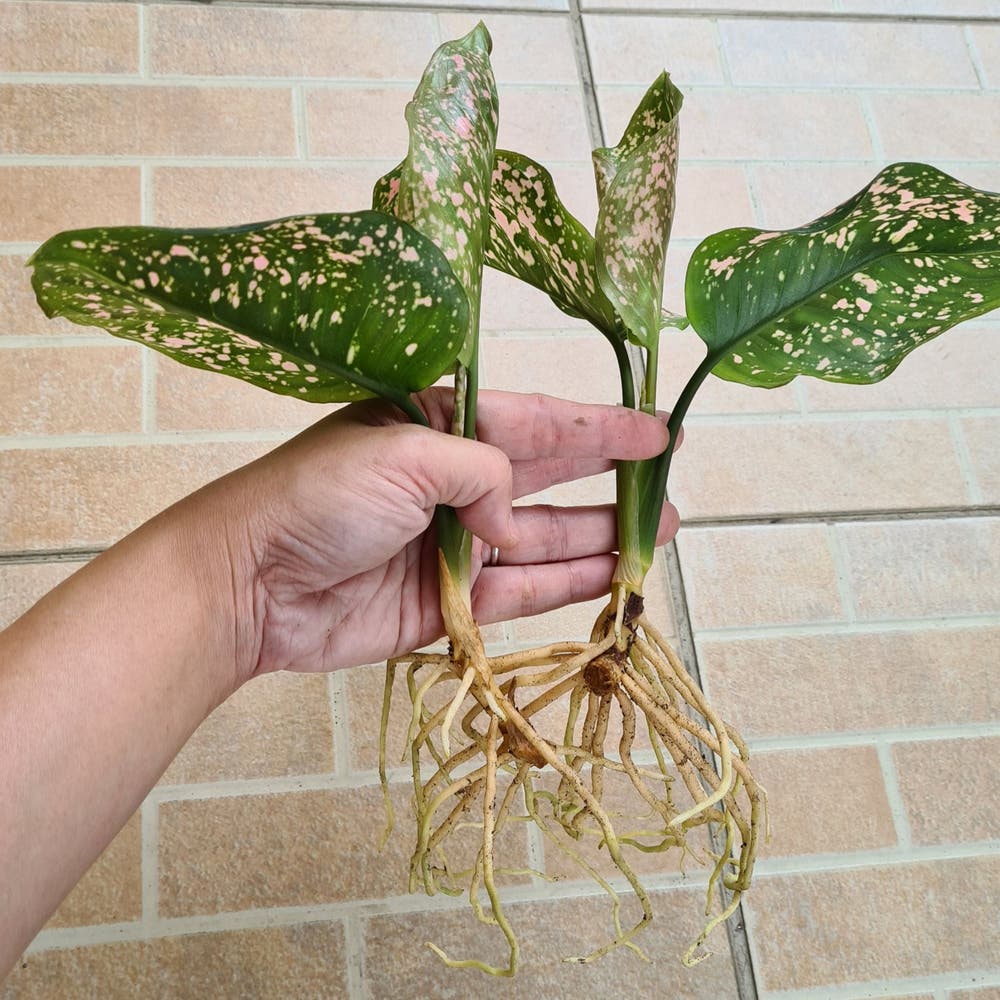
Tangled roots are the silent scream for help from your Pink Dalmatian Aglaonema. When roots start to circle the bottom of the pot or poke through drainage holes, it's a clear sign they're gasping for more room. It's like your plant is wearing a belt two notches too tight; it's uncomfortable and needs a change.
🍃 Leafy Tell-Tales: The Foliage is Speaking
Notice your Aglaonema's growth has slowed or come to a standstill? Yellow leaves aren't just a fashion statement; they're a distress signal. It's the plant's way of saying, "I'm not okay." If the leaves are more yellow than a school bus, it's time to take action.
🌸 Seasonal Timing: Spring into Action
Spring isn't just for cleaning; it's the prime time for repotting. Your Aglaonema's roots are ready to stretch out after a long winter's nap. Repotting in spring gives your plant a fresh start, just as nature intended.

Choosing a New Home: Picking the Perfect Pot
🌱 The Best Pot Materials for Your Aglaonema
Terracotta pots are the old reliables of the plant world. They're breathable, which means they let air in and moisture out, reducing the risk of overwatering. But, they're not exactly featherweights, so think twice if you're into furniture feng shui every other week.
Plastic pots are the lightweights, literally. They keep the soil moist for longer, which is great unless you're heavy-handed with the watering can. Overwatering is your plant's nemesis, so be cautious if you go plastic.
Ceramic pots are the runway models – gorgeous but high maintenance. They strike a balance between moisture retention and breathability, especially if they're unglazed. Just make sure they have drainage holes, or you'll be swimming in soggy soil issues.
🚫 What to Avoid: Pot Materials that Can Spell Disaster
Glass and metal pots might look chic, but they're like a sauna for your plant's roots – no breathing room, leading to moisture mayhem. If you're not vigilant, you'll have a root rot soup on your hands. Stick to materials that let your plant's roots breathe and you'll avoid a world of hurt.

The Repotting Rodeo: A Step-by-Step Guide
🌱 Prepping the Stage
Before the main event, select the right soil mix—a well-draining concoction of peat moss, perlite, and vermiculite. This is the dream team for your Pink Dalmatian Aglaonema, ensuring breathability and moisture control. Next, prep your new pot by placing a coffee filter or mesh over the drainage hole to prevent soil escape while maintaining good water flow.
🌿 The Main Event
Time to gently evict your Aglaonema. Water it lightly the day before to make the transition smoother. Tip the pot and coax the plant out, respecting its roots. If they resist, don't wage war—squeeze the pot or use a chopstick to negotiate their release. Inspect the roots; if they're a tangled mess, it's time for a trim. Snip away any dead or rotting parts with sterile pruners.
🏡 Settling In
Now, nestle your plant into its new abode. Ensure it sits about an inch from the rim, avoiding a too-deep or too-high placement. Backfill with your soil mix, tamping down to eliminate air pockets. Water thoroughly, but not excessively, to settle your Aglaonema in. If the soil level drops after watering, add more to maintain the one-inch rule.

Post-Repotting Care: Helping Your Aglaonema Thrive
💧 The First Watering: When and How Much?
After repotting, water your Pink Dalmatian Aglaonema enough to moisten the new soil, but avoid waterlogging. Wait until the top inch feels dry before the next watering. Over-enthusiasm with the watering can is a common faux pas—don't drown your plant in love.
🌞 Light and Location: Finding the Sweet Spot for Recovery
Place your Aglaonema in a spot with bright, indirect sunlight. Too much direct sun can scorch its leaves, while too little can cause it to lose its vibrant variegation. Remember, your plant is not a sunbather nor a cave-dweller; it's a shade-seeker.
👀 What to Watch For: Signs Your Aglaonema is Loving its New Digs
New growth is the plant's way of giving you a green thumbs-up. If your Aglaonema starts to look like it's throwing a tantrum—yellowing leaves, droopiness—reassess its care. Consistency is key; don't play musical chairs with its location. Stability is the comfort food for plants.
⚠️ Safety First
This content is for general information and may contain errors, omissions, or outdated details. It is not medical, veterinary advice, or an endorsement of therapeutic claims.
Always consult a qualified healthcare professional before using any plant as food, medicine, or supplement.
Never eat any plant (or feed one to pets) without confirming its identity with at least two trusted sources.
If you suspect poisoning, call Poison Control (800) 222-1222, the Pet Poison Helpline (800) 213-6680, or your local emergency service immediately.
Spotted an error? Please report it here.
Ensure your Pink Dalmatian Aglaonema thrives after repotting by using Greg for custom care reminders 🌿, from the perfect watering schedule to the ideal post-repotting environment.