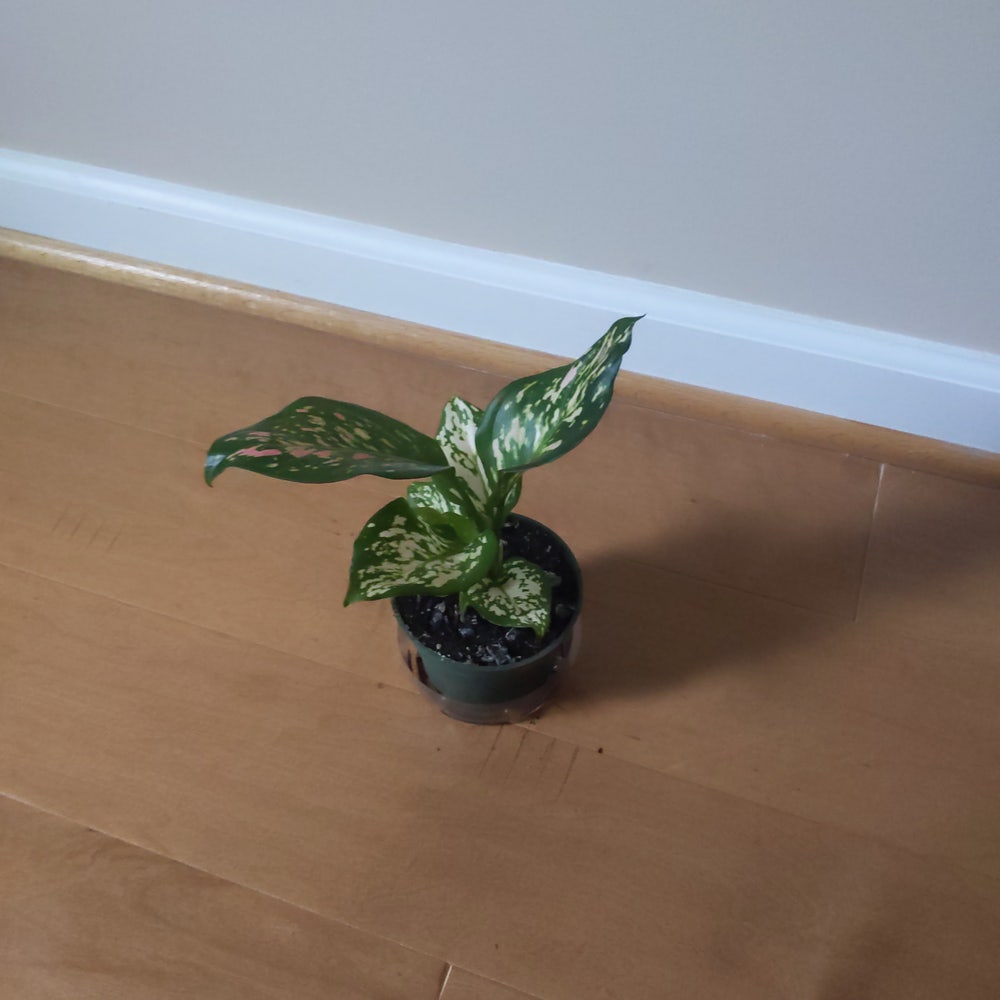
Soil Recommendations for Pink Dalmatian Aglaonema
Aglaonema 'Pink Dalmatian'
By the Greg Editorial Team
Jun 18, 2024•5 min read
This article was created with the help of AI so we can cover more plants for you. May contain errors. See one? Report it here.
- 🚫 Mold signals overwatering: Take immediate action to dry out soil.
- 🌱 Ideal soil mix: Organic matter, perlite/vermiculite, and slight acidity.
- 🛒✨ Store-bought vs. DIY: Balance convenience with nutritional control.
Spotting Trouble: Signs Your Aglaonema's Soil is Unhappy
🍄 Mold and Other Unwelcome Guests
Mold in your Aglaonema's soil is like a red flag at a bullfight—it demands immediate attention. White fuzz or a musty odor are the tell-tale signs of this uninvited guest. It's a clear indicator that your soil is too moist, and your plant is throwing up distress signals.
If you spot these signs, it's time for some quick action. Trim away any affected parts of the plant and soil. Replace the compromised soil with a fresh, well-draining mix to prevent a recurrence. Consider integrating perlite or bark to improve drainage and aeration.
🌱 When the Roots Aren't Happy
Roots are the lifeline of your Pink Dalmatian Aglaonema, and they need to breathe. Symptoms of suffocation include yellowing leaves, wilting, and stunted growth. If the roots are unhappy, your plant's health is on the line.
Poor drainage and compaction are often the culprits. To remedy this, ensure your pot has adequate drainage holes. You might also want to mix in some coarse material like grit or coarse sand to break up the soil and promote air flow. Keep an eye on watering habits—overwatering is a common mistake that can lead to waterlogged soil and unhappy roots.

Fixing the Foundation: Reviving Unhealthy Soil
🍄 Mold Be Gone: Dealing with Fungal Issues
Mold is the party crasher in your plant's soil soiree. Scrape off any visible mold from the soil surface to start the eviction process. Overwatering is often the culprit, so let's dial it back—allow the soil to dry out between waterings. Check the soil's moisture with a finger test before each watering; if it's damp, skip the H2O. Persistent mold might need a tougher approach. Mix in perlite or pumice to improve aeration, giving your plant's roots the breathing room they crave.
🌱 Improving Drainage and Aeration
Roots suffocating? It's time for a soil intervention. Enhance your soil's structure by incorporating coarse sand or perlite, which is like opening windows in a stuffy room. Ensure your pot has adequate drainage holes; if not, it's time to play handyman with a drill. A layer of gravel at the bottom of the pot can also promote drainage, making sure water doesn't overstay its welcome. Remember, a well-draining soil mix isn't just a preference, it's a necessity for your Pink Dalmatian Aglaonema's well-being.

Crafting the Perfect Home: DIY Soil Mix for Pink Dalmatian Aglaonema
🌱 The Ideal Components
Creating the ideal soil mix for your Pink Dalmatian Aglaonema is like being a backstage tech at a rock concert: you set the stage for a stellar performance. The right blend ensures your plant has the perfect balance of drainage and moisture retention.
- Organic matter is crucial; think coco coir for water retention and aeration.
- Perlite or vermiculite is your drainage duo, preventing waterlogging.
- Aim for a slightly acidic pH between 5.6 and 6.5 to hit the sweet spot for your Aglaonema.
🌿 Mixing it Up: Creating Your Blend
Now, let's get our hands dirty. Here's a simple guide to mixing your own soil blend that's just right for your Pink Dalmatian Aglaonema.
- Start with two parts all-purpose potting soil as your base.
- Add one part perlite to ensure those roots aren't swimming in excess water.
- Mix in one part sphagnum peat moss for that slight acidity and moisture control.
- For an optional kick of aeration, toss in some pine bark fines.
Remember, this isn't just about throwing stuff in a pot. It's about crafting a home where your plant can thrive. Keep an eye on your Aglaonema and adjust the mix as needed. After all, you're not just a plant owner; you're a soil mix maestro.

Store-Bought vs. Homemade: Choosing the Right Soil Mix
🌱 Top Commercial Mixes for Pink Dalmatian Aglaonema
When hunting for commercial soil mixes, you want a bag that's practically a butler for your Pink Dalmatian Aglaonema—attentive but not overbearing. Drainage and moisture retention are the power couple here. Brands like Bonsai Jack and Dr. Earth have fans raving about their mix's ability to let roots breathe. But remember, your Aglaonema isn't a cactus; it might need a touch more tenderness in the moisture department.
The Verdict: When to Buy and When to DIY
It's the classic gardener's dilemma: to buy or to DIY. Store-bought mixes are the fast food of the plant world—quick, convenient, but sometimes lacking in nutritional value. They're great when you're short on time or patience. But if you're looking to save some green or have a plant with the pickiness of a cat in a sunbeam, rolling up your sleeves and making your own mix might be the way to go. DIY means you're in control—like a plant DJ mixing the beats of bark, perlite, and peat. Just remember, whether you're buying or crafting, your Pink Dalmatian Aglaonema's roots should feel like they've just checked into a five-star hotel.
⚠️ Safety First
This content is for general information and may contain errors, omissions, or outdated details. It is not medical, veterinary advice, or an endorsement of therapeutic claims.
Always consult a qualified healthcare professional before using any plant as food, medicine, or supplement.
Never eat any plant (or feed one to pets) without confirming its identity with at least two trusted sources.
If you suspect poisoning, call Poison Control (800) 222-1222, the Pet Poison Helpline (800) 213-6680, or your local emergency service immediately.
Spotted an error? Please report it here.
Revitalize your Pink Dalmatian Aglaonema by perfecting your soil mix 🌿 with Greg's precise moisture monitoring and tailored recommendations.