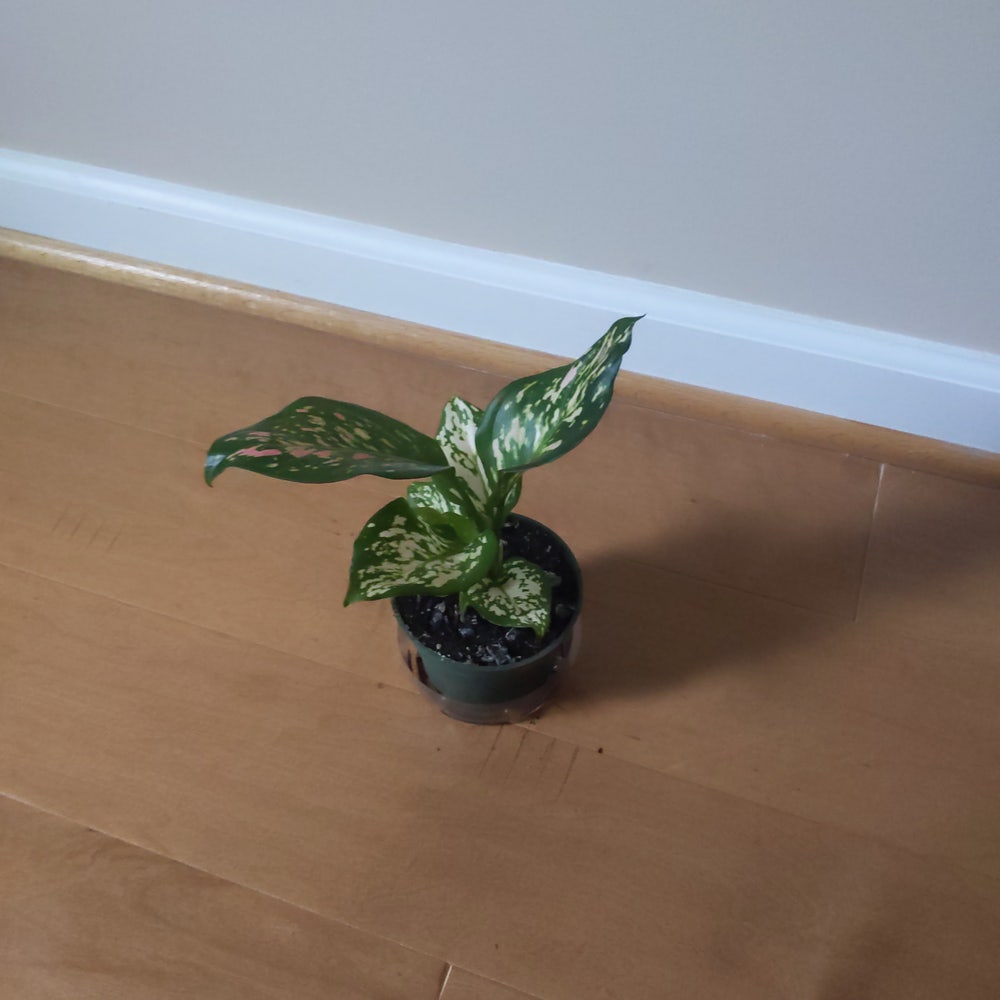
🌸 Pink Dalmatian Aglaonema: A Perennial Plant
Aglaonema 'Pink Dalmatian'
By the Greg Editorial Team
Sep 30, 2024•5 min read
This article was created with the help of AI so we can cover more plants for you. May contain errors. See one? Report it here.
- 🌱 Pink Dalmatian Aglaonema thrives for over 10 years with proper care and conditions.
- 🌞 Seasonal growth varies; expect vibrant spring and summer, slower in fall and winter.
- 💧 Adjust watering and light based on climate to ensure optimal health and growth.
Characteristics of Pink Dalmatian Aglaonema as a Perennial
Multi-Year Lifecycle 🌱
The Pink Dalmatian Aglaonema boasts a fascinating multi-year lifecycle. It begins as a seedling, gradually maturing into a robust plant, and eventually enters a dormancy phase.
During its lifecycle, this perennial showcases remarkable resilience. It adapts to various conditions, ensuring it thrives year after year.
Growth and Regrowth 🌿
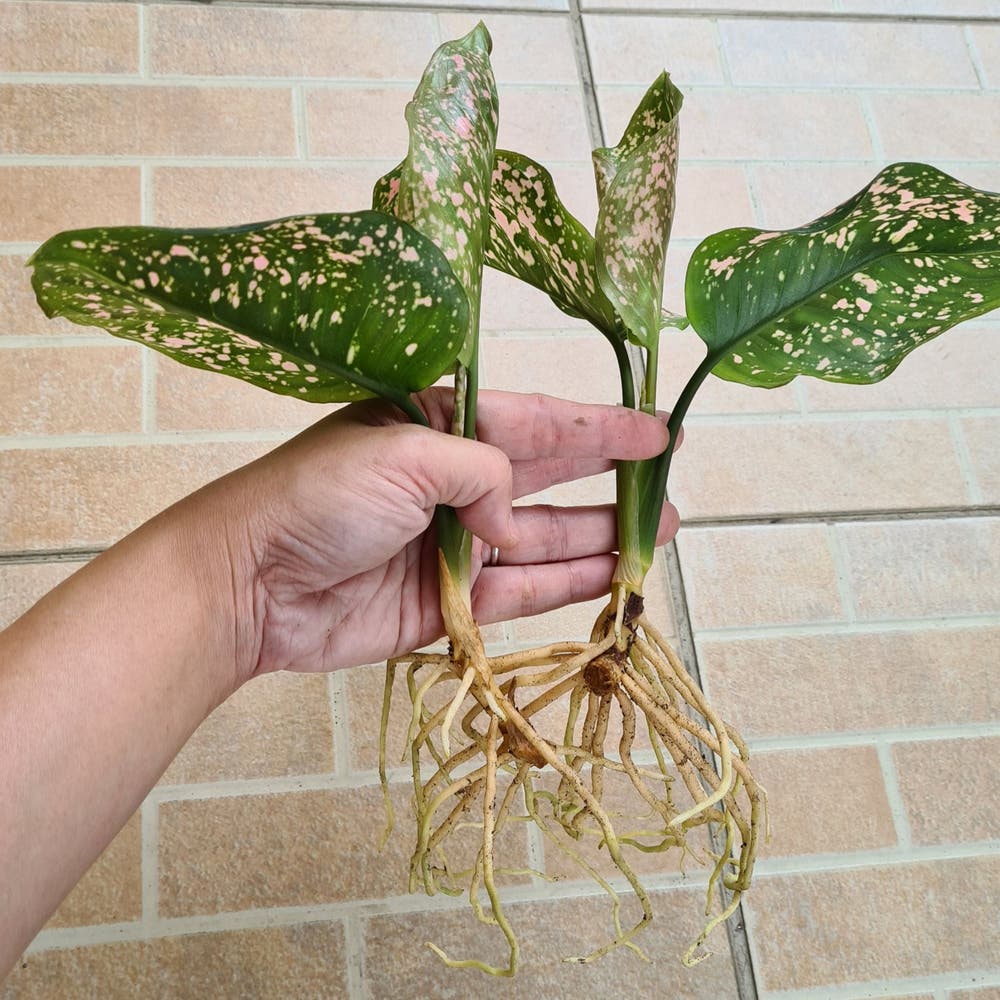
A key aspect of the Pink Dalmatian Aglaonema is its established root system. Strong roots are crucial for regrowth, allowing the plant to absorb nutrients and water efficiently.
Growth cycles vary with the seasons. In spring and summer, expect vibrant growth, while fall and winter may bring slower development as the plant conserves energy.
Understanding these growth patterns helps you provide optimal care throughout the year. This knowledge ensures your plant remains healthy and vibrant, ready to flourish with each passing season.
As we explore the impact of its perennial nature on growth and lifespan, you'll see how these characteristics contribute to the overall health of your Pink Dalmatian Aglaonema.
Impact of Perennial Nature on Growth and Lifespan
🌸 Flowering and Growth Implications
Pink Dalmatian Aglaonema showcases unique flowering patterns that can vary based on environmental conditions. Typically, these plants flower sporadically, often influenced by factors like light and humidity.
Being a perennial, the Pink Dalmatian Aglaonema benefits from a consistent growth cycle. This stability allows for healthier foliage and more robust overall development, as the plant can allocate energy to both growth and flowering over the years.
⏳ Expected Lifespan and Influencing Factors
In optimal conditions, the average lifespan of a Pink Dalmatian Aglaonema can reach up to 10 years or more. This longevity makes it a worthwhile addition to any plant collection.
Several factors influence the plant's lifespan, including light, water, and soil conditions. Ensuring adequate light and maintaining proper moisture levels can significantly enhance its health and longevity.
Dormancy and Seasonal Changes
Description of Dormancy Periods 🌱
Dormancy in Pink Dalmatian Aglaonema is a natural phase where the plant conserves energy. During this time, growth slows significantly, allowing the plant to rest and prepare for future growth cycles.
Identifying dormancy is straightforward. Look for signs such as reduced leaf growth, yellowing leaves, or a general lack of vigor. These indicators signal that your plant is entering a restful state.
Seasonal Changes in Growth and Care 🌦️
As seasons change, so do the care requirements for your Pink Dalmatian Aglaonema. In spring and summer, the plant thrives, requiring more frequent watering and brighter light to support its active growth.
In contrast, during fall and winter, the plant's needs shift. Watering should be reduced, and it’s best to provide indirect light to prevent stress. Adjusting your care routine according to the seasons ensures your plant remains healthy and vibrant throughout the year.
With a solid understanding of dormancy and seasonal care, you can nurture your Pink Dalmatian Aglaonema effectively, setting the stage for its continued growth and beauty.
Advantages for Gardeners
🌱 Benefits of Reduced Replanting
One of the standout features of the Pink Dalmatian Aglaonema is its ability to thrive as a perennial. This means less time spent replanting and more time enjoying your vibrant greenery.
By investing in a perennial plant, you're not just saving effort; you're also making a smart financial choice. Fewer replanting needs translate to lower costs over time, making it a long-term investment for any gardener.
🌳 Importance of Established Root Systems
Established root systems are a game-changer for the Pink Dalmatian Aglaonema. These roots provide enhanced stability, allowing the plant to anchor itself firmly in the soil.
Moreover, a robust root system improves nutrient uptake, ensuring your plant gets the essential elements it needs to flourish. This resilience is crucial, especially when facing environmental stressors like drought or temperature fluctuations.
With these advantages, the Pink Dalmatian Aglaonema not only simplifies gardening but also enriches your space with its beauty and vitality. As we move forward, let’s explore how climate variations can further influence the growth of this stunning perennial.
Variations Across Climate Zones
🌦️ Influence of Climate on Perennial Behavior
The Pink Dalmatian Aglaonema thrives in various climate zones, but its growth can significantly differ based on environmental conditions. In warmer, humid climates, the plant flourishes, showcasing vibrant foliage and robust growth.
Conversely, in cooler or drier climates, the plant may exhibit slower growth and require more attentive care. Understanding these climate influences is essential for maximizing the plant's potential.
🌱 Adaptations to Varying Conditions
Pink Dalmatian Aglaonema has remarkable adaptability. It can adjust its growth patterns based on temperature and humidity levels, allowing it to survive in less-than-ideal conditions.
For instance, in high humidity, the plant may grow more rapidly, while in lower humidity, it conserves water and energy. This resilience makes it a favorite among indoor gardeners.
🌍 Tips for Maximizing Benefits in Different Conditions
Indoor vs. Outdoor Cultivation
When cultivating Pink Dalmatian Aglaonema indoors, ensure it receives indirect sunlight to prevent leaf burn. A consistent temperature range of 65-80°F (18-27°C) is ideal for maintaining its health.
For outdoor settings, choose a partially shaded area to protect the plant from harsh midday sun. This balance helps the plant thrive while minimizing stress.
🚀 Strategies for Enhancing Growth in Specific Climate Zones
In humid regions, regular misting can enhance growth and maintain humidity levels. Consider using a well-draining potting mix to prevent root rot.
In drier climates, increase watering frequency, but ensure the soil dries out between sessions. This approach helps the plant adapt and flourish despite the challenges of its environment.
By understanding and adapting to these climate variations, you can ensure your Pink Dalmatian Aglaonema remains a stunning addition to your plant collection. Transitioning to the next topic, let’s explore the dormancy and seasonal changes that affect this resilient perennial.
⚠️ Safety First
This content is for general information and may contain errors, omissions, or outdated details. It is not medical, veterinary advice, or an endorsement of therapeutic claims.
Always consult a qualified healthcare professional before using any plant as food, medicine, or supplement.
Never eat any plant (or feed one to pets) without confirming its identity with at least two trusted sources.
If you suspect poisoning, call Poison Control (800) 222-1222, the Pet Poison Helpline (800) 213-6680, or your local emergency service immediately.
Spotted an error? Please report it here.
Nurture your Pink Dalmatian Aglaonema to thrive for years 🌿 with Greg's tailored care tips and watering reminders that keep your plant happy and healthy!