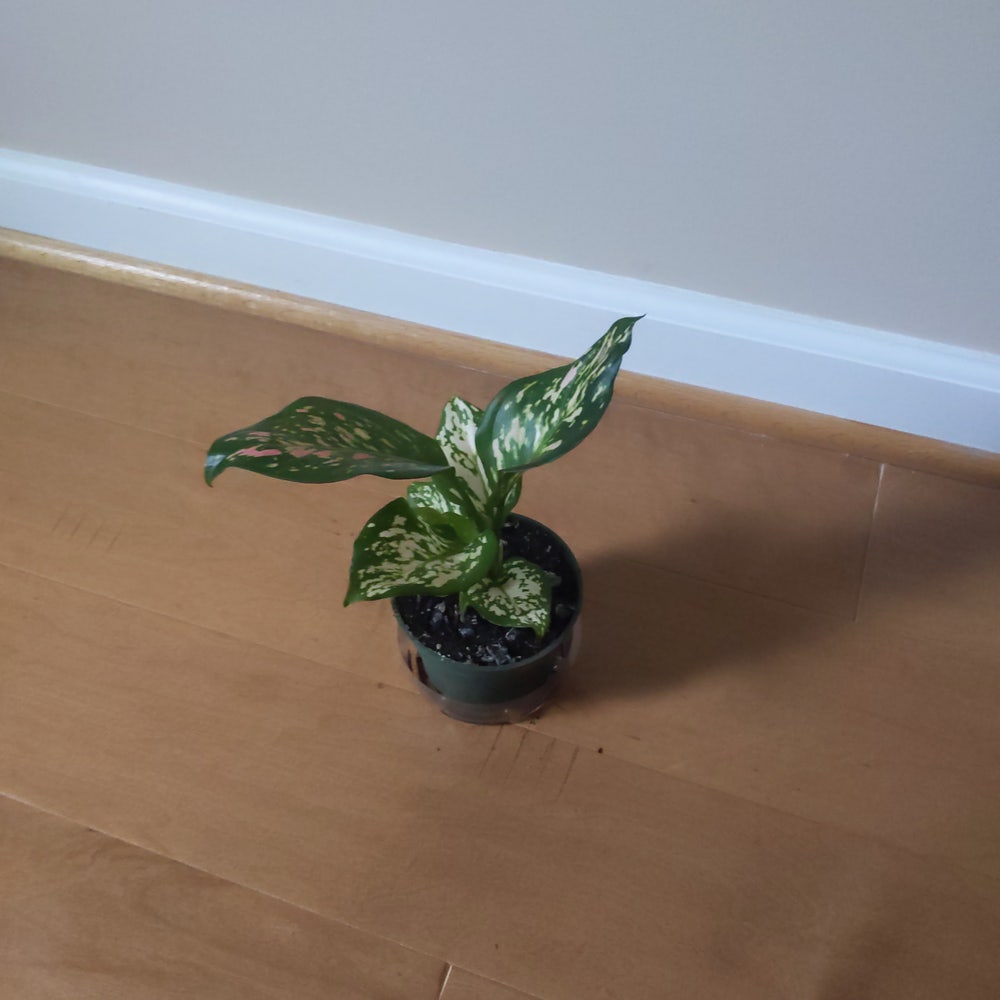
Why Are My Pink Dalmatian Aglaonema Leaves Droopy?
Aglaonema 'Pink Dalmatian'
By the Greg Editorial Team
Jun 18, 2024•5 min read
This article was created with the help of AI so we can cover more plants for you. May contain errors. See one? Report it here.
- Droopy leaves signal distress; watch for discoloration and mushiness too.
- 🌱 Water and light balance is crucial: avoid over/underwatering and direct sun.
- Maintain 65°F-75°F and 40-60% humidity for a happy Aglaonema.
Spotting the Signs of Droopiness
🌿 Visual Cues: Identifying Droopy Leaves
Droopy leaves are the most obvious sign your Pink Dalmatian Aglaonema is unhappy. When the leaves hang lower than your energy on a Monday morning, it's a clear red flag. They should be perky, not slumping like they've just heard bad news.
Beyond the Droop: Other Symptoms to Watch for
But don't stop at the droop. Discoloration can range from yellow to brown, and it's like your plant is trying to tell you something's wrong. Curling leaves are another tell; they're not trying to get cozy, they're signaling discomfort. And if the leaves feel mushy, like a squished marshmallow, your watering habits likely need a reboot.
Brittle leaves or brown tips? That's your plant's version of a thirst trap, begging for water. Conversely, if the leaves are as puffy as a pillow, you've probably overdone it with the H2O. Keep an eye out for stunted growth too—it's not just a phase, it's a cry for help.
Remember, these signs are like your plant's text messages asking for a better living situation. Don't leave them on read.

Water Woes: Walking the Line Between Too Much and Too Little
💧 The Overwatering Trap: How to Tell If You're Drowning Your Plant
Overwatering is a common misstep, and your Pink Dalmatian Aglaonema is no fan of soggy feet. If the soil feels like a wet sponge an inch below the surface, hold off on the H2O. Yellowing leaves and a lack of firmness in the stems can also signal that you're overdoing it. It's time to let that soil breathe and consider a well-draining mix to avoid future waterlogged mishaps.
💦 Thirsty Roots: Recognizing an Underwatered Aglaonema
On the other end of the spectrum, underwatering turns your Aglaonema into a droopy mess. Check for soil that's pulling away from the pot's edges or feels as dry as a bone. Leaves may curl or sport brown tips, broadcasting their thirst. If your plant's giving off more distress signals than a flare gun, it's time to quench that thirst.
Fine-Tuning Your Watering Routine: Tips for Getting It Just Right
Consistency is your best friend when it comes to watering. But don't be a slave to the calendar; your plant's needs can change with the weather. Use a moisture meter as your secret weapon to strike that Goldilocks balance. When watering, aim for a thorough soak until water drains freely, then let the pot drain completely. No one likes a soggy bottom. Remember, a self-watering pot can be a game-changer for those who struggle with regular watering schedules.

Let There Be Light (But Not Too Much!)
Navigating the lighting needs of your Pink Dalmatian Aglaonema is like setting up the perfect selfie lighting – it's all about angles and intensity.
🌞 Ideal Light Conditions
Bright, indirect light is your plant's best friend. It's like the plant version of a shady spot on a sunny day. Direct morning sunlight won't hurt, but think of the afternoon sun as the plant's arch-nemesis – it's just too harsh.
🚨 Signs of Improper Lighting
Look out for crispy tips or brown patches; they're distress signals for too much sun. On the flip side, a plant stretching out like it's trying to grab something just out of reach is a sign it's craving more light.
🔄 Adjusting Plant Position
If your Pink Dalmatian Aglaonema looks like it's throwing a fit or sulking, it's time to move. Rotate the plant for even light exposure, but keep it away from the sun's midday smackdown. Remember, changes in light should be as gradual as a sloth's morning stretch – no sudden moves.

Keeping It Comfy: Temperature and Humidity Harmony
🌡️ The Goldilocks Zone: Ideal Temperature Range for Your Aglaonema
65°F to 75°F (18°C to 24°C)—that's your Pink Dalmatian Aglaonema's comfort zone. It's not about simulating a tropical paradise or an arctic expedition; it's about consistency. Avoid drastic temperature swings, especially during the night, where a 10-degree drop is the maximum your plant should handle.
💦 Humidity Hacks: Simple Ways to Maintain Moisture in the Air
Your Aglaonema isn't asking for a rainforest; it's just hinting at a 40-60% humidity level. Keep your hygrometer close; it's the unsung hero that doesn't guess—it knows. If your air is drier than your humor, consider a humidifier or a pebble tray. Just remember, too much of a good thing can turn your plant's life into a soggy mess. Keep it stable, keep it simple.
Bouncing Back: Reviving Your Droopy Aglaonema
When your Pink Dalmatian Aglaonema's leaves droop, it's crunch time. Here's how to get those leaves perky again.
🚑 Immediate Resuscitation Steps
Stop watering if the soil feels soggy. Overwatering is often the culprit. If the soil's Sahara-dry, give it a thorough soak. Check for root rot when you water; black, mushy roots mean trouble. Snip them off with sterile scissors.
🌱 Long-Term Care Adjustments
Light is like plant food. Too little and your Aglaonema gets hangry for sunshine. Too much and it's sunburn city. Find that sweet spot where the light is bright but indirect. Water only when the top inch of soil feels dry. And remember, tap water's a no-no—filtered is the way to go.
🆘 SOS: Seeking Professional Help
If your Aglaonema's still slouching after all your TLC, it's time to call in the cavalry. A local nursery guru or a plant-savvy pal can offer a fresh perspective. Sometimes, it takes a village to raise a plant.
⚠️ Safety First
This content is for general information and may contain errors, omissions, or outdated details. It is not medical, veterinary advice, or an endorsement of therapeutic claims.
Always consult a qualified healthcare professional before using any plant as food, medicine, or supplement.
Never eat any plant (or feed one to pets) without confirming its identity with at least two trusted sources.
If you suspect poisoning, call Poison Control (800) 222-1222, the Pet Poison Helpline (800) 213-6680, or your local emergency service immediately.
Spotted an error? Please report it here.
Banish droopy leaves and ensure your Pink Dalmatian Aglaonema thrives with Greg's personalized care reminders and environment tracking 🌿.