Does My Pink Dalmatian Aglaonema Need Direct Sunlight? 🐶
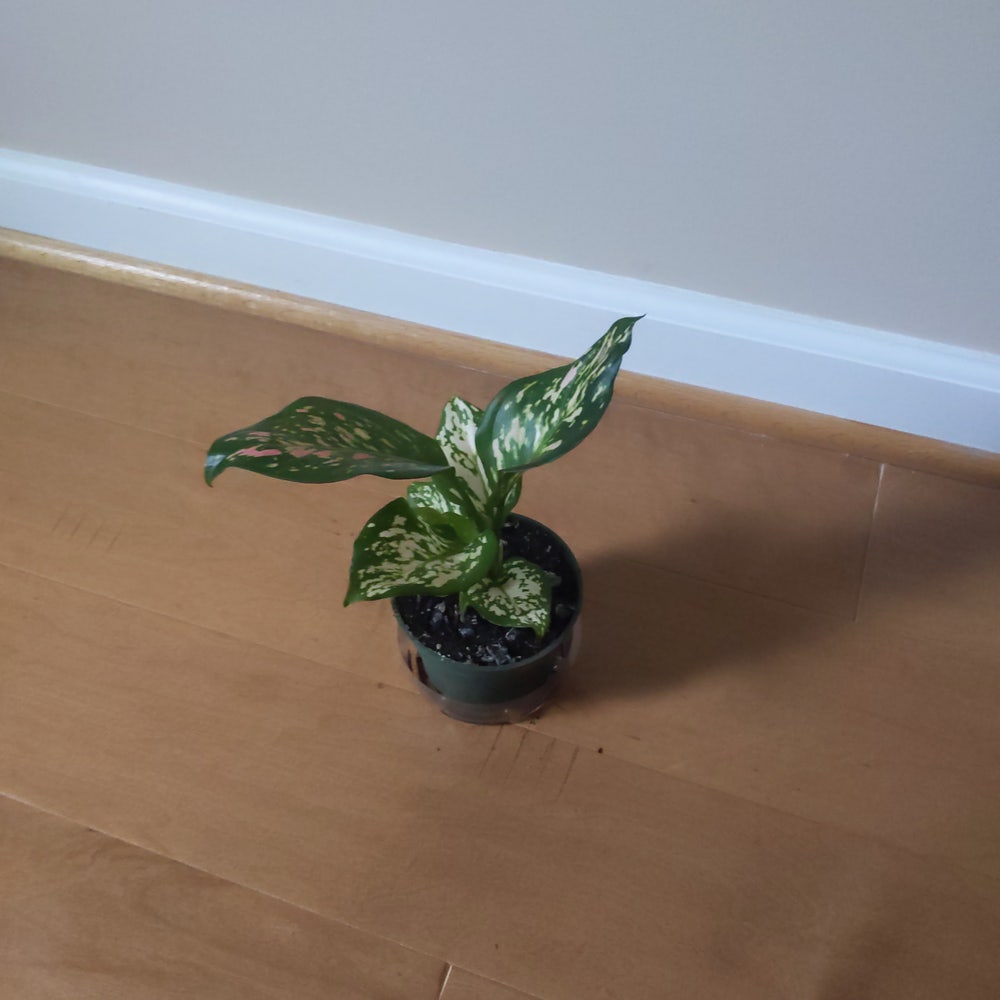
Aglaonema 'Pink Dalmatian'
By the Greg Editorial Team
Jun 18, 2024•5 min read
This article was created with the help of AI so we can cover more plants for you. May contain errors. See one? Report it here.
- 🌿 Bright indirect light is best for the Pink Dalmatian Aglaonema's health.
- Leaf scorch signals too much sun; use creative shading to protect.
- North or east-facing windows ideal for consistent, gentle light.
Sunlight and Your Pink Dalmatian Aglaonema: Finding the Sweet Spot
🌞 What Exactly is Direct Sunlight?
Direct sunlight is the unfiltered, full-strength solar energy that beams down from the sky. It's the kind of intense light you'd get outdoors at noon on a clear day. For houseplants, this can be the equivalent of standing in the desert without a hat—harsh and relentless. Indirect sunlight, on the other hand, is like the plant version of a patio umbrella; it's light that has been diffused or bounced off surfaces, providing a gentler touch.
🌱 The Pink Dalmatian's Sunlight Needs
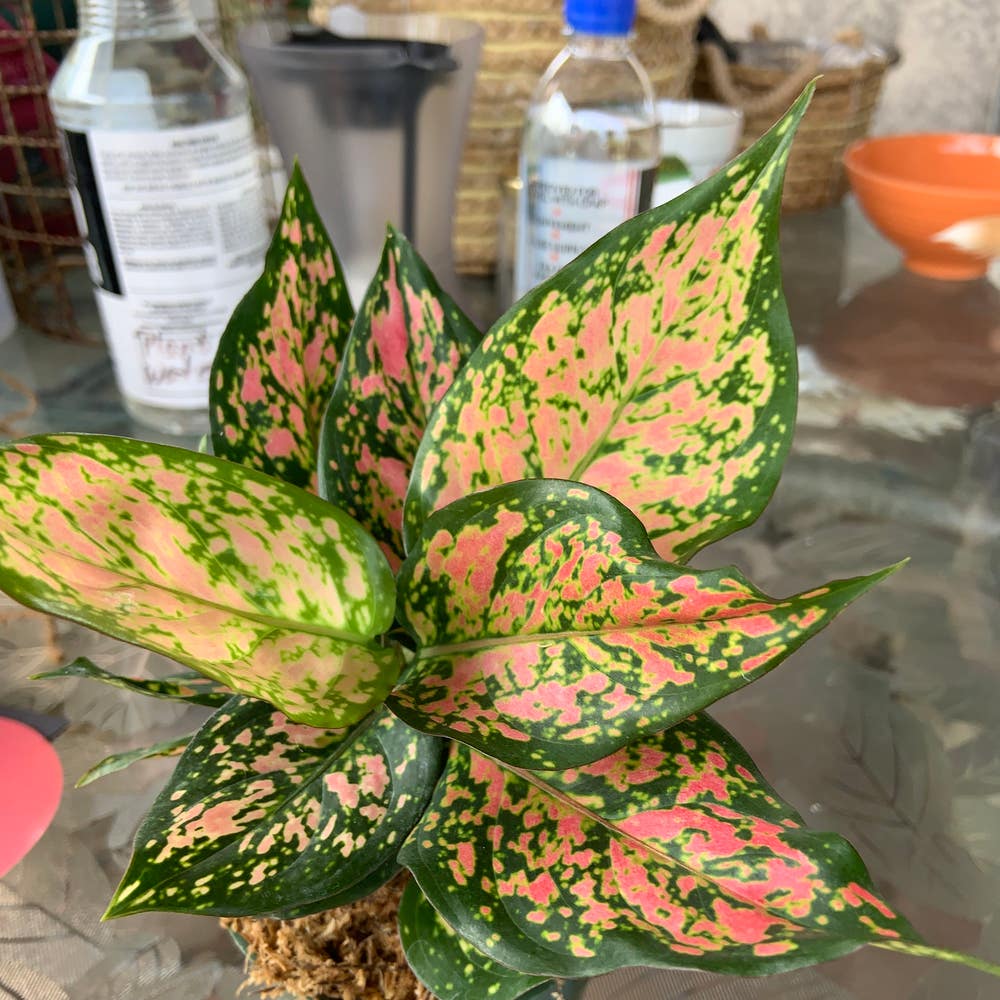
The Pink Dalmatian Aglaonema is a bit of a Goldilocks when it comes to sunlight—it likes it just right. Bright indirect light is its jam, allowing it to flaunt its pink-spotted leaves without risk of sunburn. Think of placing it near a window that gets plenty of light but is shielded from the sun's direct rays. Morning light can be a treat, but the afternoon sun is a no-go zone; it's too intense and can lead to crispy, unhappy foliage.
Signs Your Plant is Craving More Light
When your Pink Dalmatian starts to look more like a wallflower than the life of the party, it's time to reassess its lighting situation. If the leaves are losing their vibrant color or the growth seems stunted, it's a clear SOS for more light. Stretching or reaching leaves are also a dead giveaway—your plant is literally bending over backward to get closer to its light source.

When the Sun's Too Strong: Protecting Your Pink Dalmatian
⚠️ The Risks of Overexposure to Direct Sunlight
🚨 Telltale Signs of Too Much Sun
Your Pink Dalmatian Aglaonema is no sunbather; leaf scorch is a red flag. If you spot leaves with crispy brown edges or a bleached appearance, your plant is shouting for sunscreen. These are distress signals, akin to a red-faced tourist after a day at the beach.
📉 Long-Term Effects on Your Aglaonema's Health
Overexposure isn't just a bad day for your plant; it's a slippery slope. Chronic sun stress can lead to a weakened immune system, leaving your Aglaonema vulnerable to pests and diseases. It's the plant equivalent of a compromised barrier, and nobody wants that.
🛠️ Quick Fixes for Too Much Sun
🎨 Creative Shading Techniques
Got a sun-struck Aglaonema? Time to get crafty. Use sheer curtains or blinds as a plant parasol. It's like throwing shade, but in a good way. Or, position a leafy companion to cast a protective shadow—think of it as a buddy system for plants.
🏡 The Best Spots in Your Home for Your Pink Pal
The perfect spot for your Pink Dalmatian Aglaonema is a Goldilocks zone: not too hot, not too cold. North or east-facing windows are your best bet. They offer a spa-like ambiance with just the right amount of light. It's about finding that sweet spot where your plant can thrive without the threat of a sunburn.

Windows, Walls, and World Position: Making Sense of It All
🌞 How Window Direction Influences Your Plant's Tan
North-facing windows are the introverts of the window world, offering a consistent, gentle light that won't overwhelm your Pink Dalmatian Aglaonema. They're the safe bet for those who fear the scorch of the sun.
South-facing windows are the extroverts, basking in the sun's full glory, especially in the Northern Hemisphere. But beware, they can turn your plant's leaves crispy without proper care.
East-facing windows dish out a gentle morning light, a soft wake-up call for your leafy friend. It's like a light breakfast in bed for your Aglaonema.
West-facing windows, on the other hand, are the afternoon party animals. They can throw a bit too much of a bash, potentially overwhelming your plant with intense light.
Hemisphere Hacks: Seasonal Adjustments for Your Aglaonema
In the Northern Hemisphere, south-facing windows are the VIP section for sunlight. But as seasons change, so should your plant's position to avoid a sunburn.
Conversely, in the Southern Hemisphere, north-facing windows are your go-to for maximum light. Remember, it's all about the angle of the sun's rays.
During summer, the sun is high, and even north-facing windows can become sun traps. Your Pink Dalmatian might need a step back from the spotlight.
Winter sun is weaker, so even those south-facing windows won't be as harsh. It's like the sun's on a low battery, giving your plant a gentler glow.
Remember, it's not just about the right window; it's also about the right spot near the window. Play musical chairs with your plant as seasons change; sun angles are indeed fickle friends.

Plant Parent Pro Tips: Keeping Your Pink Dalmatian Thriving
🌿 Monitoring and Adjusting: The Key to Happy Houseplants
💡 How to Read Your Plant's Light Language
Your Pink Dalmatian Aglaonema speaks in shades of green. If the leaves are pale, it's begging for more light. Conversely, if you notice scorch marks, it's time to dial back on the sunbathing. Rotate the plant regularly to ensure even growth and prevent your green buddy from becoming a lopsided mess.
🌞 Seasonal Shuffle: Moving Your Aglaonema with the Sun
As the seasons change, so should your plant's position. Shorter days in winter might call for a spot closer to the window, while the intense summer sun could mean retreating to a shadier nook. It's the houseplant version of chasing the perfect tan without getting burned.
🛠 Tools of the Trade
💡 Using Light Meters and Apps to Perfect Your Plant's Placement
Get techy with it. A light meter can take the guesswork out of finding your plant's happy place. There are also apps for that, because of course, there are. They'll help you measure light levels and make informed decisions, because your Pink Dalmatian's health is worth that extra bit of digital diligence.
⚠️ Safety First
This content is for general information and may contain errors, omissions, or outdated details. It is not medical, veterinary advice, or an endorsement of therapeutic claims.
Always consult a qualified healthcare professional before using any plant as food, medicine, or supplement.
Never eat any plant (or feed one to pets) without confirming its identity with at least two trusted sources.
If you suspect poisoning, call Poison Control (800) 222-1222, the Pet Poison Helpline (800) 213-6680, or your local emergency service immediately.
Spotted an error? Please report it here.
Let Greg's PlantVision illuminate 🌟 the ideal spot for your Pink Dalmatian Aglaonema, ensuring it always has just the right amount of light without the guesswork.