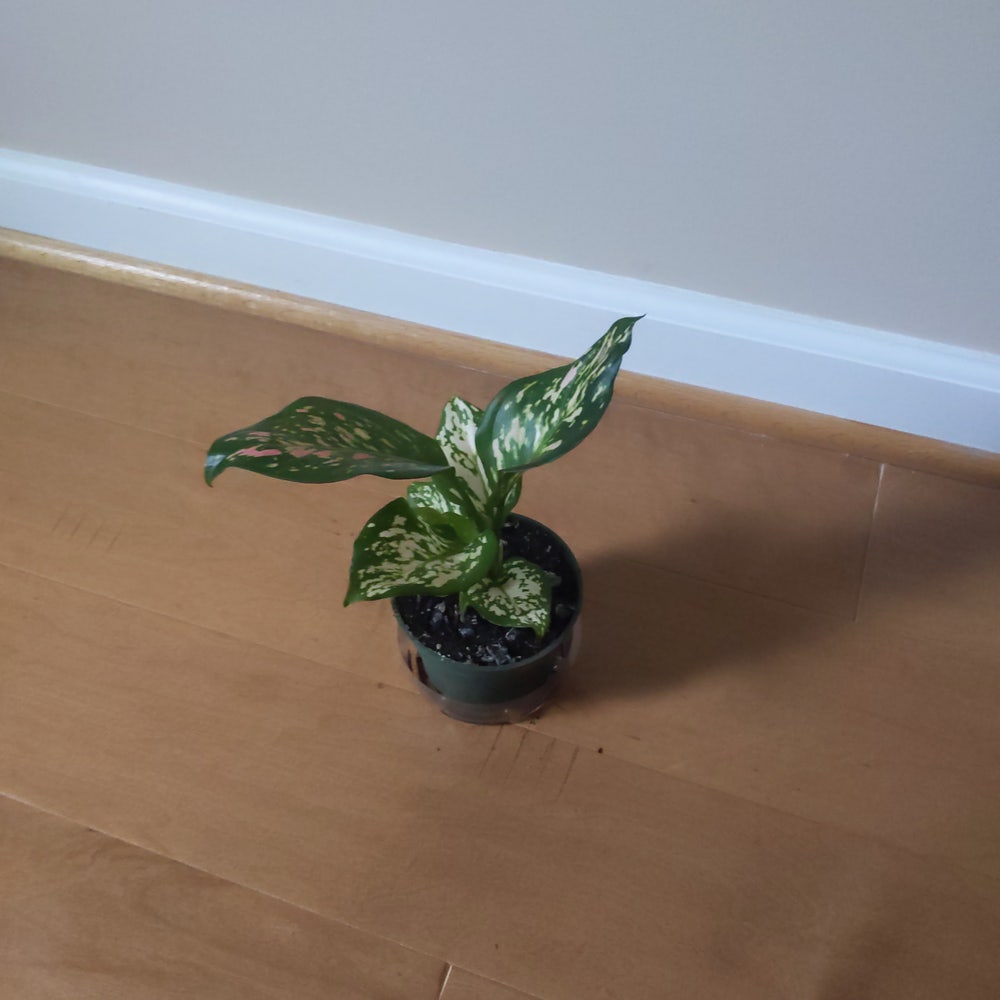
Why Are My Pink Dalmatian Aglaonema Leaves Mushy?
Aglaonema 'Pink Dalmatian'
By the Greg Editorial Team
Jun 18, 2024•3 min read
This article was created with the help of AI so we can cover more plants for you. May contain errors. See one? Report it here.
- Mushy leaves signal overwatering or root rot in Aglaonema.
- Immediate action: Stop watering and dry out roots to address mushiness.
- Long-term care: Establish a watering routine and ensure proper drainage.
Spotting the Trouble: Signs Your Aglaonema's Leaves Are Compromised
💧 Overwatering Symptoms
Yellowing leaves are the plant's white flag of surrender to overwatering. If the base of your Aglaonema is as mushy as overripe fruit, you've been too generous with the H2O. When the soil feels more like a swamp than a nurturing medium, it's time to reassess your watering habits.
🦠 Root Rot Recognition
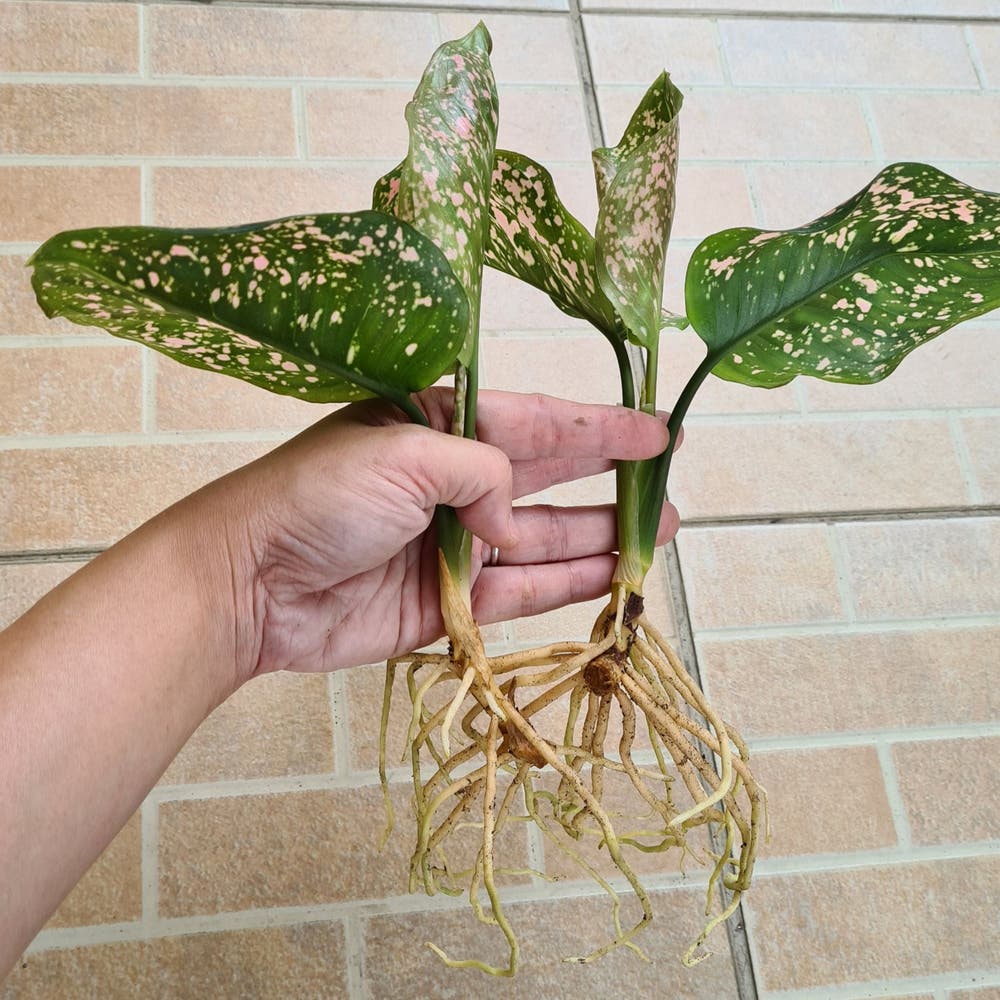
Beneath the surface, root rot is the silent assassin of your plant's vitality. If pulling out the plant reveals roots that are more brown and slimy than firm and white, it's a clear distress signal. A foul odor from the soil is the equivalent of a "Do Not Resuscitate" order for your plant's roots.
🚰 Drainage Dilemmas
If your pot's as watertight as a duck's back, you've got a drainage problem. Soil that clings to water like a needy friend is a no-go. Mix in some perlite or sand to hit that sweet spot of drainage nirvana. Remember, no one likes wet feet, especially not your plants.

First Aid for Mushy Leaves
🚑 Immediate Steps to Take
When your Pink Dalmatian Aglaonema starts to feel like a squishy mess, act fast. First, halt all watering; your plant isn't on a water slide. Gently remove it from its pot and bid farewell to the soggy soil clinging to its roots. If the roots resemble a horror movie—dark and mushy—it's time for a trim. Let them air out; they need a breather, not a bath.
💧 Adjusting Your Watering Technique
Watering is an art, and your Aglaonema is not a fan of abstract puddles. Use a moisture meter to gauge when the top inch of soil is dry before you even think about watering. If you're old school, the finger test works too—just make sure it comes out soil-free. Adjust your watering to when the plant actually needs it, not when you think it should be thirsty.
🌱 The Repotting Rescue
If your plant's roots are still throwing a pity party after drying out, it's time for a repotting shindig. Find a pot with more holes than a detective's alibi and a soil mix that drains faster than a sink in a spy movie. A blend of peat, pine bark, and perlite or coarse sand will do the trick. After the repot, keep an eye on your plant like it's a reality TV star. With some luck and attentive care, it'll bounce back to its perky self.

Long-Term Care Strategies
💧 Perfecting the Watering Schedule
Creating a routine that keeps the roots happy and healthy is crucial. Water only when the top inch of soil feels dry, and mark your calendar for regular watering dates to avoid the extremes of drought and drench.
🌱 Soil and Pot Considerations
Choosing the right components for a well-drained home is a game-changer. Invest in a soil mix that drains well yet retains some moisture, and ensure your pot has adequate drainage holes. Consider adding organic matter to improve soil structure and water retention.
🌍 Environmental Checks
Ensuring your plant's surroundings aren't contributing to the problem is often overlooked. Monitor humidity and airflow, and adjust your care to match the seasons. Keep the environment stable—sudden changes are as unwelcome to your plant as unexpected guests.

⚠️ Safety First
This content is for general information and may contain errors, omissions, or outdated details. It is not medical, veterinary advice, or an endorsement of therapeutic claims.
Always consult a qualified healthcare professional before using any plant as food, medicine, or supplement.
Never eat any plant (or feed one to pets) without confirming its identity with at least two trusted sources.
If you suspect poisoning, call Poison Control (800) 222-1222, the Pet Poison Helpline (800) 213-6680, or your local emergency service immediately.
Spotted an error? Please report it here.
Prevent root rot and keep your Aglaonema's leaves firm and healthy 🌿 with Greg's tailored watering reminders, based on your plant's unique environment and needs.