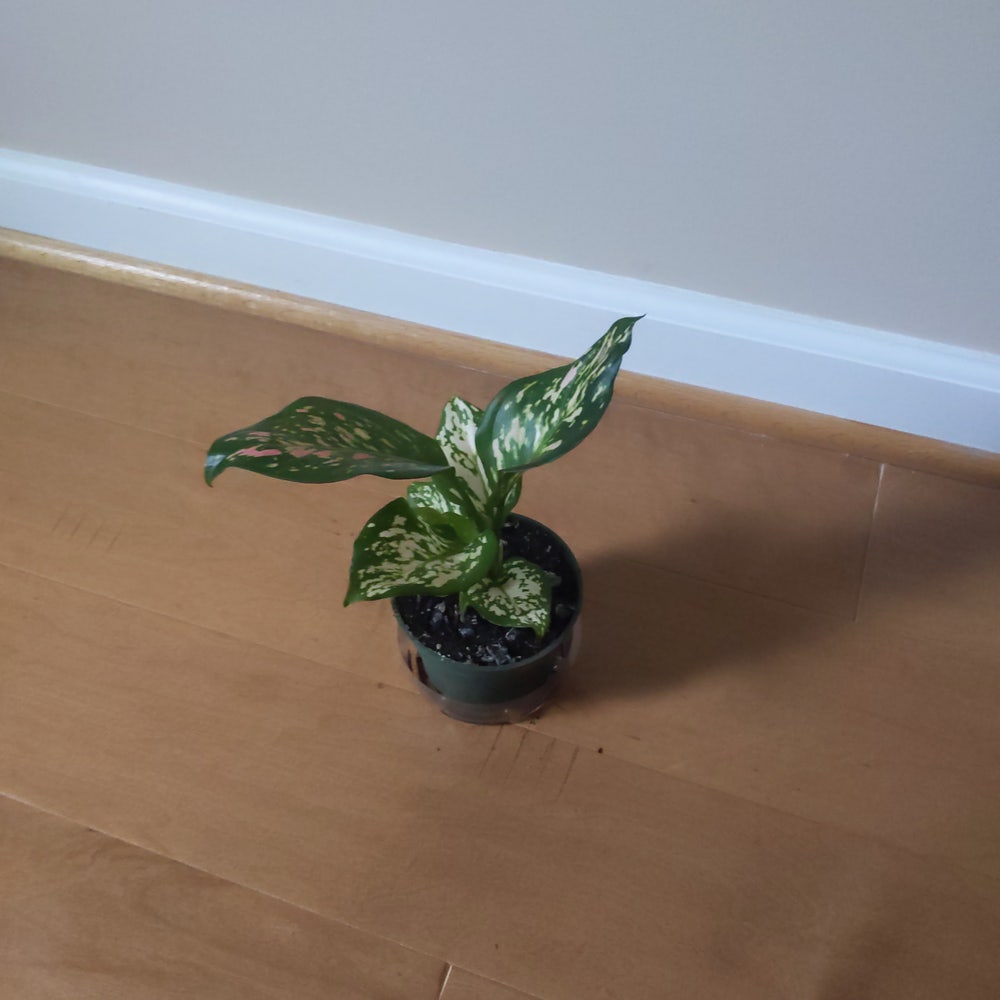
Why Are My Pink Dalmatian Aglaonema Leaves Turning Yellow?
Aglaonema 'Pink Dalmatian'
By the Greg Editorial Team
Jun 18, 2024•4 min read
This article was created with the help of AI so we can cover more plants for you. May contain errors. See one? Report it here.
- Under/overwatering? Check soil moisture before watering to prevent yellow leaves.
- 🌞🌱 Adjust light and nutrients to keep Pink Dalmatian Aglaonema leaves vibrant.
- Consistent care is key for temperature, humidity, and preventing yellowing.
Spotting Trouble: Signs Your Pink Dalmatian Aglaonema Is Unhappy
🏜️ Underwatering Woes
Dry, crispy leaves are the plant's silent scream for hydration. If the tips are as parched as a desert, it's time to up the watering ante.
Quick fixes involve thorough watering until excess drains out, ensuring the soil is moist but not soggy.
🚰 Overwatering Mishaps
Yellow leaves and a wilted appearance scream overwatering. Root rot could be the villain if your plant's base feels like a squishy horror movie prop.
To rescue, repot with fresh, well-draining soil and trim any blackened roots. Let the soil dry out a bit between waterings.
🌞 Light and Shadow Play
Aglaonemas are divas that need their spotlight but don't put them in the midday sun. Yellowing leaves could mean it's time to move your plant to a brighter or shadier spot.
Find a place with bright, indirect light where your Aglaonema can bask without getting scorched.
🍽️ Nutrient Needs and Deficiencies
Irregular yellowing, especially on older leaves, might mean your plant is hungry for nutrients. Nitrogen deficiency often manifests in a lackluster leafy display.
Supplement with a balanced, slow-release fertilizer to give your Aglaonema the dietary boost it craves.

The Rescue Plan: Treating Yellow Leaves
💧 Adjusting Your Watering Technique
Watering your Pink Dalmatian Aglaonema is less about sticking to a rigid schedule and more about understanding its needs. Check the soil moisture before you water—dryness an inch below the surface means it's time for a drink. Water thoroughly, allowing excess to drain, to avoid soggy soil conditions that can lead to root rot.
☀️ Light Adjustments for Vibrant Leaves
Your plant's leaves can tell you a lot about its light preferences. If they're turning yellow, it might be a sign that your Aglaonema is either starved for light or getting too much. Aim for a spot with bright, indirect sunlight. Too little light? Consider using LED grow lights to supplement, but don't forget to give your plant some downtime.
🍽️ Feeding Your Pink Dalmatian Aglaonema
Fertilizing is like giving your plant a boost of energy. Use a balanced, water-soluble fertilizer once a month during the growing season. Always water your Aglaonema before feeding to prevent root burn and ensure the nutrients are well-absorbed. Remember, less is often more when it comes to plant food.

Keeping the Green: Preventing Yellow Leaves
💧 Consistency Is Key: Watering and Light
Consistency in watering and lighting isn't just a nice-to-have; it's a must for Pink Dalmatian Aglaonema. Establish a watering routine that keeps the soil moist but never soggy. Think of it as your plant's personal hydration plan, tailored to its needs and your home's environment.
Adjust watering based on the seasons—less in the winter, a bit more when the heat is on. And lighting? Bright, indirect sunlight is your plant's best friend. Too much and you're cooking the leaves; too little and they're starving for light.
🌱 The Right Environment for Growth
Humidity is like a secret handshake for your Aglaonema—it thrives on it. Use a pebble tray or misting to keep the air moist. This isn't a tropical vacation; it's your living room, but your plant doesn't know that.
Temperature stability is key. Avoid placing your plant in the path of drafts or directly by heating and cooling vents. Think of it as creating a microclimate that says 'steady as she goes' to your green buddy.
Keep the soil feeling like a wrung-out sponge—moist but not waterlogged. Overwatering leads to root rot, underwatering to stress. Use your finger as a moisture gauge before giving your plant a drink.
Airflow matters too. A gentle breeze, maybe from a fan, can keep things fresh without turning your plant into a windsock. It's about balance, not extremes.
Remember, your Pink Dalmatian Aglaonema doesn't need a green thumb; it needs a routine. Keep that routine, and those leaves will stay as green as an envious garden gnome.

⚠️ Safety First
This content is for general information and may contain errors, omissions, or outdated details. It is not medical, veterinary advice, or an endorsement of therapeutic claims.
Always consult a qualified healthcare professional before using any plant as food, medicine, or supplement.
Never eat any plant (or feed one to pets) without confirming its identity with at least two trusted sources.
If you suspect poisoning, call Poison Control (800) 222-1222, the Pet Poison Helpline (800) 213-6680, or your local emergency service immediately.
Spotted an error? Please report it here.
Banish yellow leaves and embrace lush greenery 🌿 with Greg's tailored watering and light reminders, ensuring your Pink Dalmatian Aglaonema thrives.