🐝 Ultimate Guide to Pollinating Pink Dalmatian Aglaonema
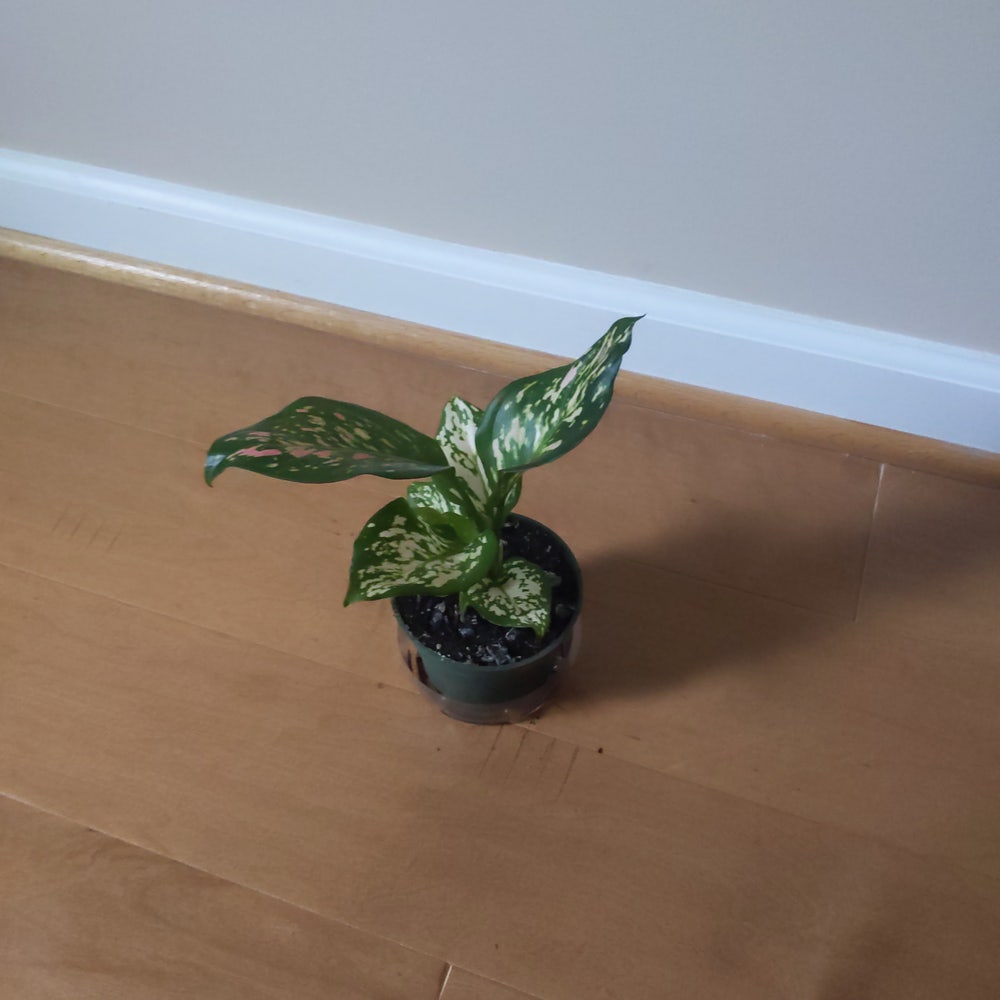
Aglaonema 'Pink Dalmatian'
By the Greg Editorial Team
Sep 30, 2024•5 min read
This article was created with the help of AI so we can cover more plants for you. May contain errors. See one? Report it here.
- 🌸 Pink Dalmatian Aglaonema self-pollinates, ensuring reproduction without external help.
- 🐝 Bees, butterflies, and moths enhance genetic diversity through cross-pollination.
- 🌿 Hand pollination boosts success, allowing gardeners to actively participate in plant reproduction.
Flower Structure
🌸 Description of Flower Characteristics
The Pink Dalmatian Aglaonema features unique flowers encased in spathes, which are modified leaves that protect the delicate blooms. Typically, these flowers are white or cream, creating a striking contrast against the plant's vibrant foliage.
The arrangement of the flowers is quite fascinating, as they cluster in a cylindrical spike within the spathe. This structure not only enhances the plant's aesthetic appeal but also plays a crucial role in its reproductive processes.
🐝 Role in Pollination
The flower structure of the Pink Dalmatian Aglaonema facilitates self-pollination effectively. The design allows pollen to transfer within the same flower, ensuring that fertilization can occur even in the absence of external pollinators.
However, there's also potential for cross-pollination, which can occur through interactions with external pollinators. This interaction enriches the genetic diversity of the plant, making it more resilient and adaptable.
In summary, the unique flower characteristics and their role in pollination are vital for the Pink Dalmatian Aglaonema's reproduction. Understanding these elements sets the stage for exploring the pollination process in detail.
Pollination Process
Self-Pollination Explanation 🌸
Pink Dalmatian Aglaonema has a unique ability to self-pollinate, thanks to its flower structure. The spathes encase the flowers, allowing pollen to transfer within the same flower, ensuring reproduction even in isolation.
Self-pollination is particularly beneficial for indoor gardeners. It guarantees that your plant can produce seeds without needing external pollinators, making it a reliable choice for home cultivation.
Cross-Pollination Explanation 🐝
While self-pollination is effective, cross-pollination plays a crucial role in enhancing genetic diversity. This diversity strengthens the plant's resilience and adaptability, which is vital for long-term health.
Several primary pollinator species contribute to this process:
- Bees: Attracted by the scent and color of the flowers, they are essential for transferring pollen.
- Butterflies: As they feed, they inadvertently move pollen from flower to flower, aiding in cross-pollination.
- Moths: Active at night, these creatures help pollinate when other pollinators are absent.
Interactions with Pollinator Species 🦋
Each pollinator species interacts uniquely with the Pink Dalmatian Aglaonema. Bees, for instance, are drawn to the vibrant foliage and fragrant flowers, making them effective carriers of pollen.
Butterflies contribute by feeding on nectar, while moths ensure that pollination occurs even in low-light conditions. Together, these pollinators create a dynamic ecosystem that supports the plant's reproductive success.
Understanding these interactions can help gardeners appreciate the importance of fostering a pollinator-friendly environment. This knowledge sets the stage for the next section on natural pollination mechanisms, where we’ll explore how pollen is transferred in nature.
Natural Pollination Mechanisms
🌬️ Pollen Transfer Mechanisms
Pollen transfer in Pink Dalmatian Aglaonema occurs primarily through natural processes involving wind and pollinators. As flowers mature, they release pollen, which can be carried to other flowers by air currents or by visiting insects.
Environmental factors play a crucial role in this process. For instance, warm temperatures and moderate humidity can enhance pollen viability, making successful transfer more likely. Additionally, the presence of pollinators like bees and butterflies significantly boosts the chances of effective pollen transfer.
🌼 Importance of Pollination
Pollination is vital for the reproduction of Pink Dalmatian Aglaonema. It ensures the production of seeds, which are essential for the plant's lifecycle and propagation.
Moreover, pollination contributes to genetic diversity within the species. This diversity enhances resilience against diseases and environmental changes, ultimately supporting the long-term survival of the plant. Understanding these mechanisms can empower gardeners to create thriving environments for their Aglaonema.
As we explore the next section on hand pollination techniques, consider how you can actively participate in this fascinating process.
Hand Pollination Techniques
Hand pollination can be a rewarding way to ensure the reproductive success of your Pink Dalmatian Aglaonema. Here’s a straightforward guide to help you navigate the process.
🌸 Step 1: Identifying Male and Female Flower Parts
First, you need to recognize the flower's anatomy. The male parts, known as anthers, produce the pollen, while the female part, the stigma, is where the pollen lands.
🧹 Step 2: Collecting Pollen
Next, gather your tools. A small brush or a cotton swab works perfectly for collecting pollen from the anthers.
🔄 Step 3: Transferring Pollen
Now, it’s time to transfer the pollen. Gently apply the collected pollen to the stigma, ensuring good contact for effective fertilization.
⏰ Step 4: Ensuring Successful Fertilization
Finally, pay attention to timing and conditions. Optimal results often come from pollinating during the morning when the flowers are most receptive.
By mastering these hand pollination techniques, you can enhance the growth and genetic diversity of your Pink Dalmatian Aglaonema. This not only supports your plant's health but also deepens your connection to your gardening journey.
Ready to explore how to support pollinators in your garden? Let’s dive into creating a pollinator-friendly environment!
Supporting Pollinators and Overcoming Challenges
🌼 Creating a Pollinator-Friendly Environment
To attract pollinators to your Pink Dalmatian Aglaonema, start by enhancing your garden with a variety of flowering plants. Native plants are particularly effective, as they provide familiar food sources for local pollinators.
Diverse flora not only attracts a wider range of pollinators but also supports their health. Consider incorporating plants that bloom at different times to ensure a continuous food supply throughout the growing season.
🚧 Common Obstacles and Solutions
Environmental factors can significantly impact pollination success. Temperature, humidity, and light conditions all play a role in how effectively pollinators can do their job.
In urban settings or indoor environments, a lack of pollinators can be a challenge. To counter this, try creating a more inviting atmosphere by using bright colors and scents that attract bees, butterflies, and moths.
You can also improve pollination success by providing sheltered areas for pollinators to rest and feed. Small changes can make a big difference in encouraging these vital creatures to visit your plants.
By understanding these challenges and implementing effective strategies, you can foster a thriving environment for your Pink Dalmatian Aglaonema and its pollinators. This not only enhances plant health but also contributes to the overall ecosystem.
⚠️ Safety First
This content is for general information and may contain errors, omissions, or outdated details. It is not medical, veterinary advice, or an endorsement of therapeutic claims.
Always consult a qualified healthcare professional before using any plant as food, medicine, or supplement.
Never eat any plant (or feed one to pets) without confirming its identity with at least two trusted sources.
If you suspect poisoning, call Poison Control (800) 222-1222, the Pet Poison Helpline (800) 213-6680, or your local emergency service immediately.
Spotted an error? Please report it here.
Boost your Pink Dalmatian Aglaonema's beauty and resilience 🌸 by using Greg's personalized tips to create a pollinator-friendly environment that attracts bees, butterflies, and moths!