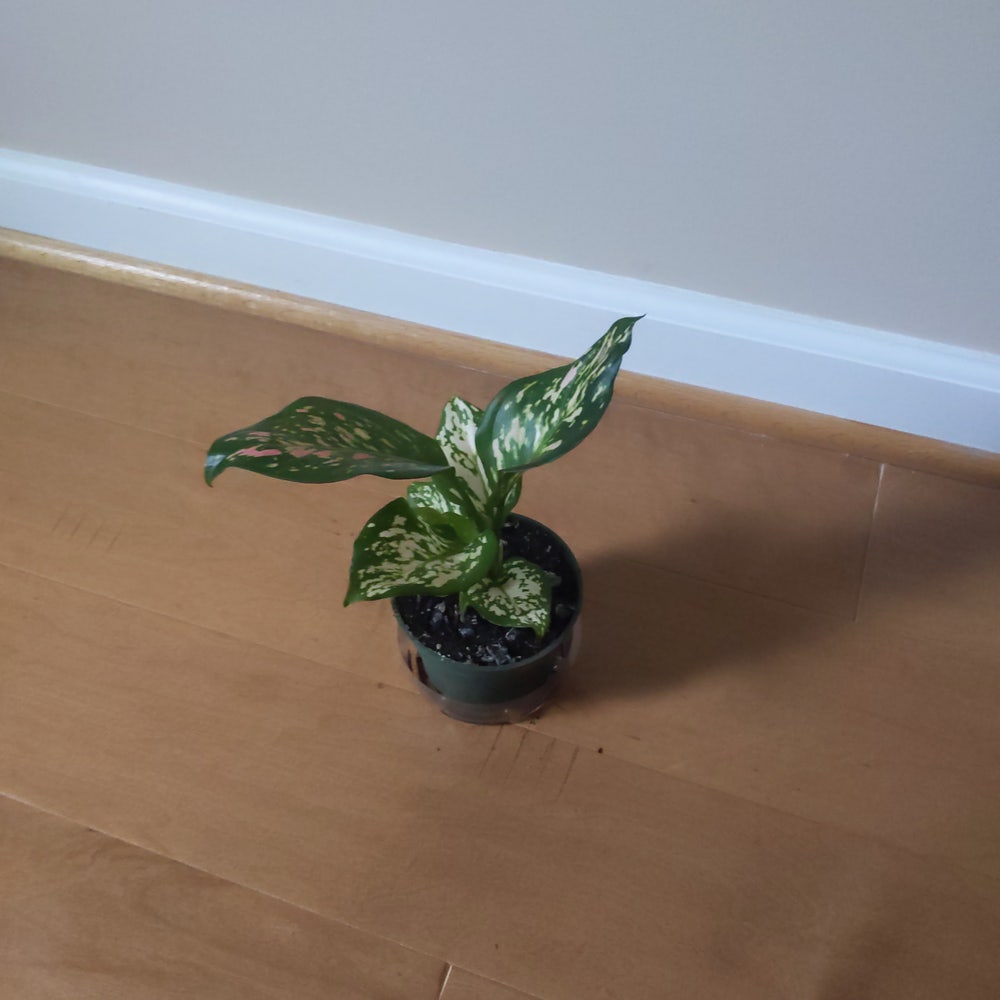
Common Pink Dalmatian Aglaonema Problems
Aglaonema 'Pink Dalmatian'
By the Greg Editorial Team
Jun 18, 2024•4 min read
This article was created with the help of AI so we can cover more plants for you. May contain errors. See one? Report it here.
- Yellow leaves mean over-watering, while droopy leaves suggest under-watering.
- 🌞🌡️ Bright, indirect light and stable temperatures are crucial for plant health.
- 🕵️♂️ Inspect regularly for pests and diseases, treat with insecticidal soap or neem oil.
Water Woes: Too Much or Too Little
💧 Spotting the Signs of Water Stress
Yellow leaves on your Pink Dalmatian Aglaonema? Not a good sign. They're screaming for help, possibly from over-watering. If the leaves are more droopy than a teenager on a Monday morning, you're likely not watering enough. Mushy stems are a telltale sign of too much love with the watering can, while crispy tips beg for a drink.
Finding the Sweet Spot
To hit the hydration sweet spot, think of the soil as your morning coffee—moist, not drenched. Start with watering when the top inch of soil feels dry, and adjust from there. Remember, your plant's thirst changes with the seasons. Keep an eye on the soil's moisture like it's the latest social media trend—consistency is key. If you've overdone it, don't panic. Just give your plant some space to breathe and dry out a bit.

Light and Temperature: Striking the Right Balance
🌞 Light Issues Uncovered
Bright, indirect light is the sweet spot for your Pink Dalmatian Aglaonema. Too much sun can lead to a sunburned plant with crispy leaves, while too little leaves it stretched and dull. It's a delicate dance, but one worth mastering.
🌡️ Temperature Troubles
Your Aglaonema isn't a fan of surprises, especially when it comes to temperature. Consistency is key; avoid placing it near drafts or fluctuating heat sources. Aim for a stable environment that doesn't swing into extremes.
Creating an Ideal Environment
To foster a thriving Aglaonema, monitor your light sources. If natural light is a gamble, consider grow lights for a steady glow. Keep temperatures steady—think Goldilocks conditions: not too hot, not too cold. Your plant will thank you with vibrant growth.

The Unseen Enemy: Pests and Diseases
🐛 Common Critters that Love Your Aglaonema
Your Pink Dalmatian Aglaonema could be hosting a pest party and you might not even know it. Spider mites, mealybugs, and scale insects are the main culprits, treating your plant like an all-you-can-eat buffet. Spider mites are tiny but mighty, spinning fine webs as a telltale sign of their presence. Mealybugs, on the other hand, leave cotton-like clumps, while scale insects are sneaky, hiding as bumps on stems and leaves.
🍄 Fungal Foes and How to Fight Them
Fungi can be silent assassins, with leaf spot, mold, and root rot lurking in the shadows. High humidity and poor air circulation are their allies. If you see brown or black spots on leaves, it's time to cut down on the watering and crank up the airflow. Mold and fungus thrive in the comfy couch of overwatered soil and stagnant air, so keep it breezy and dry.
⚔️ Winning the Battle
To evict these unwelcome guests, you'll need to be part detective and part warrior. Regular inspections are your first line of defense. Spot the signs early and you can often stop the problem with a simple spritz of insecticidal soap or neem oil. For fungal foes, removing affected areas and applying a fungicide can save your Aglaonema from doom. Remember, prevention is key—maintain good air circulation, avoid overwatering, and keep a watchful eye to protect your plant's health.

When the Leaves Tell a Story: Physical Symptoms to Watch For
🍂 Decoding Discoloration and Distortion
Leaves are the gossipers of the plant world; they spill all the secrets about your Pink Dalmatian Aglaonema's health. Yellow leaves? Could be a sign of overwatering or a cry for nutrients. Brown spots? They're likely tattling on root rot or a fungal affair. And when leaves look like they've been crumpled by an invisible hand, you might have uninvited pests throwing a party.
🌞 The Perils of Leaf Scorching
Scorched leaves are the drama queens, throwing a fit when they've had too much sun. They'll brandish crispy edges and bleached spots as evidence. To prevent these melodramatics, ensure your plant isn't sunbathing for too long. If the damage is done, snip off the burnt bits—it's like cutting ties with a bad influence. Keep the rest of the plant in indirect light to avoid repeat performances.
⚠️ Safety First
This content is for general information and may contain errors, omissions, or outdated details. It is not medical, veterinary advice, or an endorsement of therapeutic claims.
Always consult a qualified healthcare professional before using any plant as food, medicine, or supplement.
Never eat any plant (or feed one to pets) without confirming its identity with at least two trusted sources.
If you suspect poisoning, call Poison Control (800) 222-1222, the Pet Poison Helpline (800) 213-6680, or your local emergency service immediately.
Spotted an error? Please report it here.
Ensure your Pink Dalmatian Aglaonema stays vibrant 🌿 with Greg's custom care reminders, preventing overwatering, sunburn, and pests for a thriving plant.