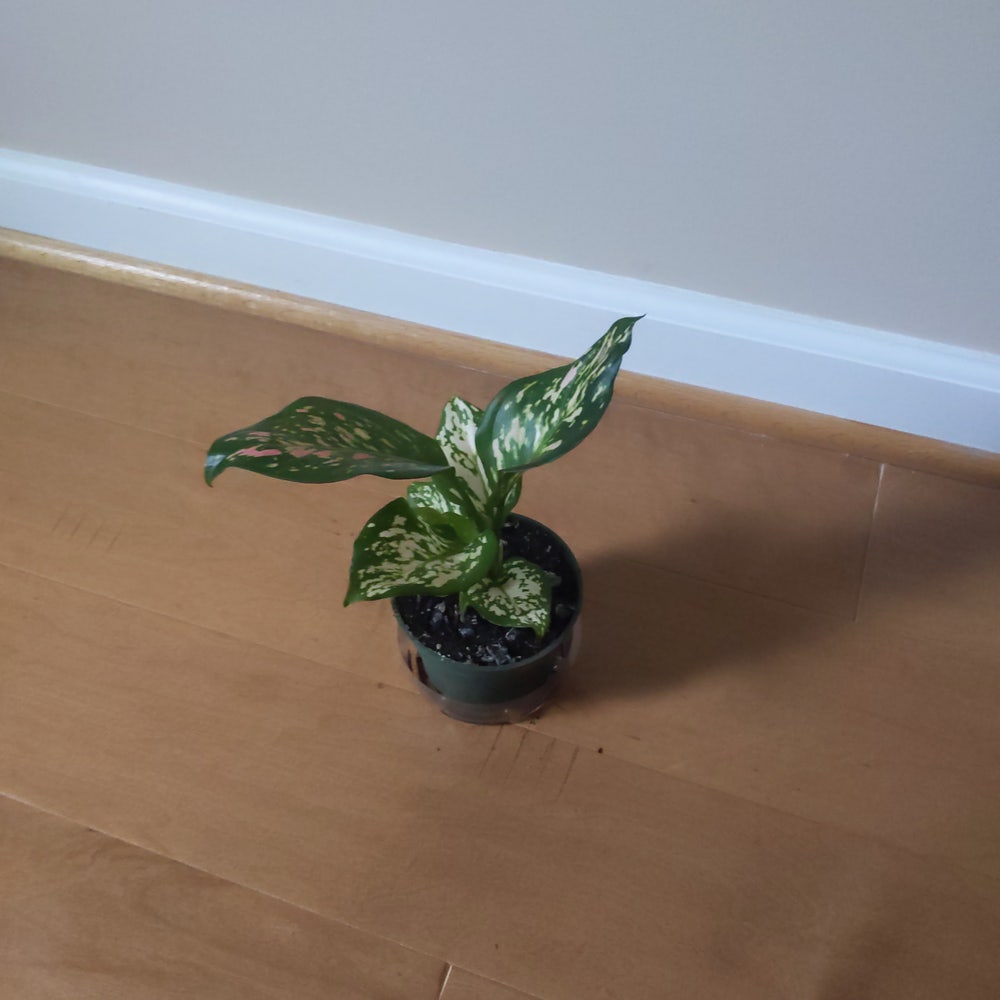
Why Are My Pink Dalmatian Aglaonema Leaves Curling? 🐶
Aglaonema 'Pink Dalmatian'
By the Greg Editorial Team
Jun 18, 2024•4 min read
This article was created with the help of AI so we can cover more plants for you. May contain errors. See one? Report it here.
- 🌿 Curling leaves signal distress; check for over/underwatering and environmental stress.
- 💧 Balance watering; let top inch of soil dry before watering again.
- 🌡️🐜 Maintain steady climate and monitor for pests to prevent leaf issues.
Spot the Signs: When Your Aglaonema is Unhappy
👀 Visual Cues: The Telltale Curl
Curling leaves on your Pink Dalmatian Aglaonema are like red flags at a beach – they signal trouble. Beyond the obvious curl, look for yellowing, brown tips, or leaves that feel as limp as overcooked spaghetti. These symptoms could point to a range of issues, from pests to poor watering habits.
🕵️♂️ Immediate Checks: Soil and Surroundings
First things first, poke the soil. If it clings to your finger like a needy pet, it's too wet. Conversely, if it's as dry as a comedian's humor, your plant is parched. Don't forget to assess the environment – if your plant's leaves could double as a fan, it might be suffering from a draft or excessive heat.

The Usual Suspects: Pinpointing the Culprits
💦 Overwatering Overload
Spotting the soggy signs of too much love
Overwatering is the equivalent of drowning your Aglaonema in affection. Yellowing leaves and a pot that feels like it's been doing weights are your red flags.
The root of the problem: How overwatering leads to curling
Roots need air as much as they need water. Soggy soil suffocates them, leading to the dreaded leaf curl.
🏜️ Thirsty Roots: The Underwatering Dilemma
Dry tales: When your Aglaonema is parched
Underwatering turns your plant's soil into a desert, with leaves as crispy as autumn foliage.
The balance act: Finding the sweet spot for watering
Your Aglaonema craves moisture equilibrium. Let the top inch of soil dry out before the next watering session.
🌡️ Climate Crisis: Temperature and Humidity Woes
Too hot to handle: Heat stress and leaf response
When the mercury rises, your Aglaonema's leaves curl up as if saying, "I can't take the heat!"
Chilly reception: Cold drafts and their effects
Conversely, a cold draft can have your plant's leaves curling up tighter than a rolled-up sleeping bag.
🐜 Uninvited Guests: Pest Problems
Common freeloaders: Identifying pests that love your Aglaonema
Pests are like uninvited party crashers for your plant. Aphids, spider mites, and mealybugs are the usual suspects.
The stress link: How pests contribute to curling leaves
Pests stress out your Aglaonema, causing leaves to curl as a distress signal. It's the plant's way of waving a white flag.

Turning Over a New Leaf: Fixing the Curl
💧 Water Wisdom: Fine-Tuning Your Routine
Adjusting your watering habits is crucial for the health of your Pink Dalmatian Aglaonema. Overwatering can suffocate roots, while underwatering leaves them gasping for moisture. Strike a balance by feeling the soil; it should be moist, not soggy. If it clings to your fingers like a needy pet, hold off on the water.
🌡️ Climate Control: Creating the Ideal Environment
Your Aglaonema is not a fan of the extremes. It prefers a steady climate—think room temperature, with a humidity level that doesn't make your skin crawl. Use a humidifier or a pebble tray to maintain a consistent moisture level in the air, avoiding the leaf-curling drama of dryness.
🐜 Pest Patrol: Keeping Critters at Bay
Pests are like that one guest who overstays their welcome. If you spot freeloaders, show them the door with insecticidal soap or neem oil. Be persistent; these tiny party crashers are tenacious. Keep an eye out for repeat offenders and maintain a clean, dry foliage environment to deter future invasions.

Stay Curly-Free: Proactive Plant Parenting
📅 Routine to the Rescue: Consistency is Key
- Establishing a care calendar is like setting an alarm for plant health; it's essential. Mark watering, pruning, and inspection dates to keep your Pink Dalmatian Aglaonema in top shape.
🕵️ Vigilant Monitoring: Tools and Tips
- Gadgets that guard: Moisture meters and hygrometers are your allies in the quest for perfect leaves. Use them to detect soil and air moisture levels, ensuring your plant's environment is just right.
⚠️ Safety First
This content is for general information and may contain errors, omissions, or outdated details. It is not medical, veterinary advice, or an endorsement of therapeutic claims.
Always consult a qualified healthcare professional before using any plant as food, medicine, or supplement.
Never eat any plant (or feed one to pets) without confirming its identity with at least two trusted sources.
If you suspect poisoning, call Poison Control (800) 222-1222, the Pet Poison Helpline (800) 213-6680, or your local emergency service immediately.
Spotted an error? Please report it here.
Revive your Aglaonema's curling leaves 🌿 with Greg's custom care reminders, ensuring just the right touch of water and care for your leafy friend.