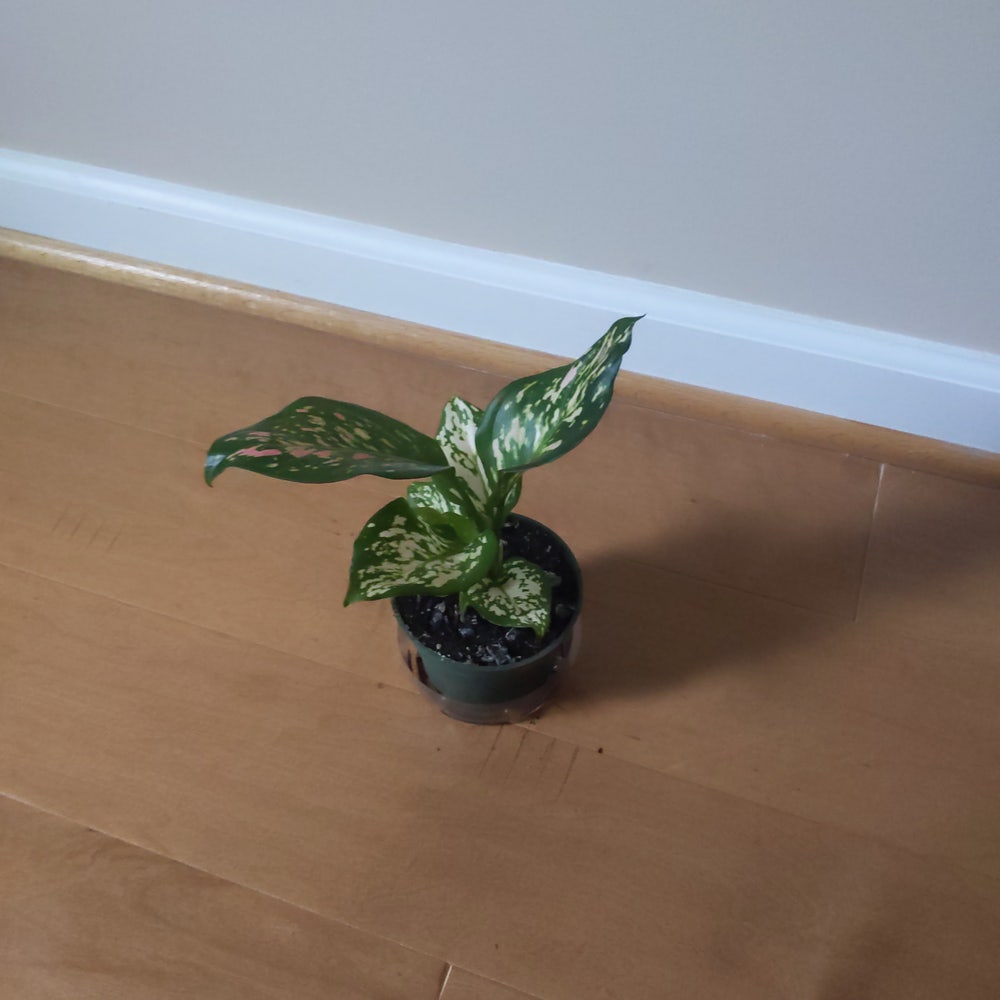
🌸 Pink Dalmatian Aglaonema: Not an Invasive Plant
Aglaonema 'Pink Dalmatian'
By the Greg Editorial Team
Sep 30, 2024•5 min read
This article was created with the help of AI so we can cover more plants for you. May contain errors. See one? Report it here.
- 🌱 Pink Dalmatian Aglaonema is non-invasive, making it safe for gardens and homes.
- 🌈 Its vibrant leaves enhance aesthetics, adding color and texture to any space.
- 💧 Thrives in low light and moderate humidity, perfect for diverse indoor environments.
Plant Classification
Definition of Invasive Plants 🌱
Invasive plants are notorious for their rapid growth and aggressive spread. They often disrupt local ecosystems, outcompeting native species and causing ecological imbalance.
The Pink Dalmatian Aglaonema, however, is not classified as invasive. Its limited spread potential makes it a safe choice for gardens and indoor spaces alike.
Characteristics of Pink Dalmatian Aglaonema 🌸
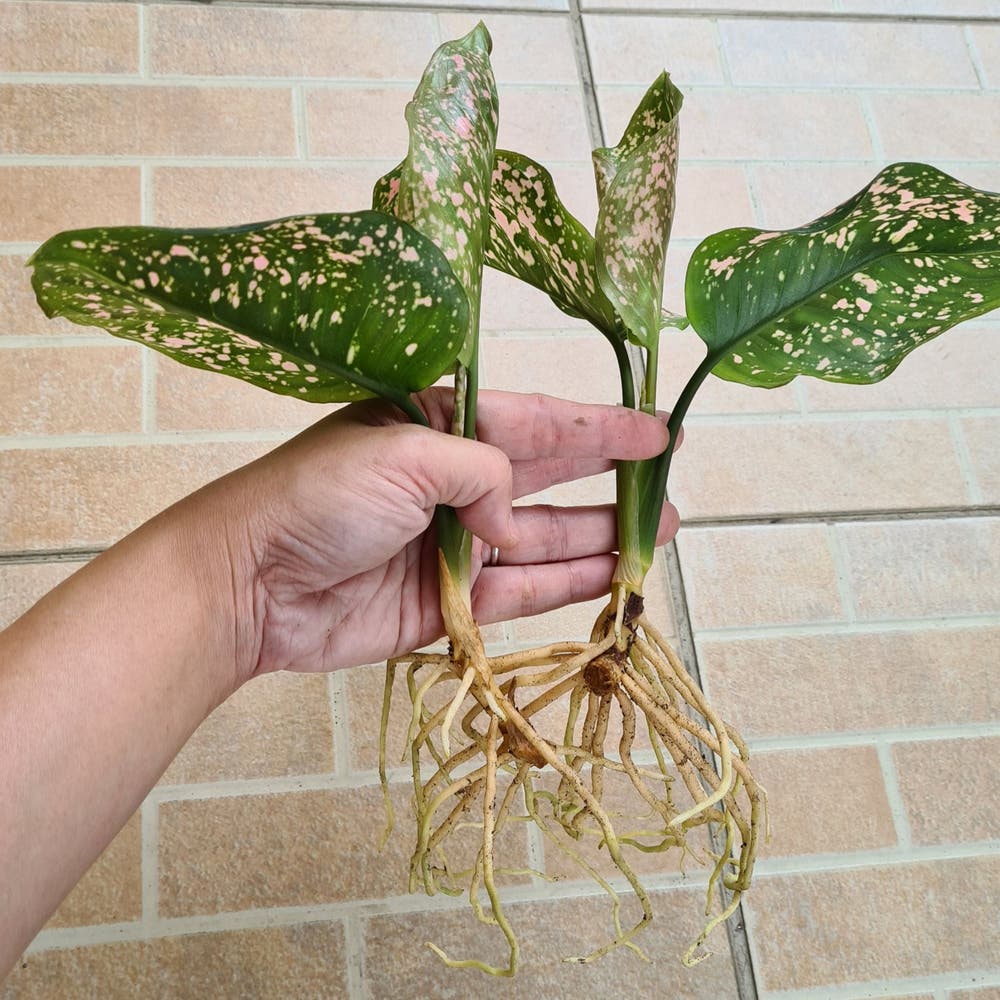
This striking plant typically reaches heights of 1-2 feet, showcasing a bushy structure that adds fullness to any setting.
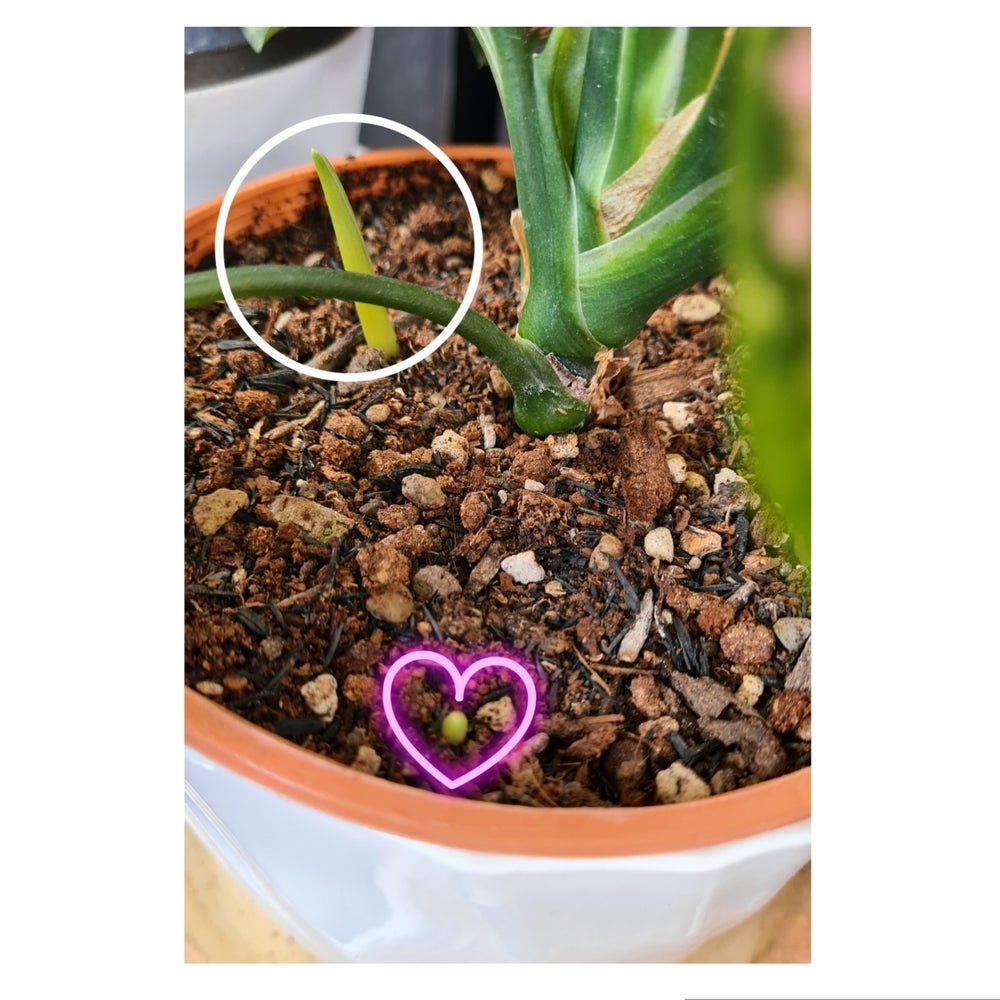
Its growth patterns are naturally restrained, thanks to specific environmental preferences that limit its spread.
Growth Habits
🌱 Typical Growth Patterns in Gardens
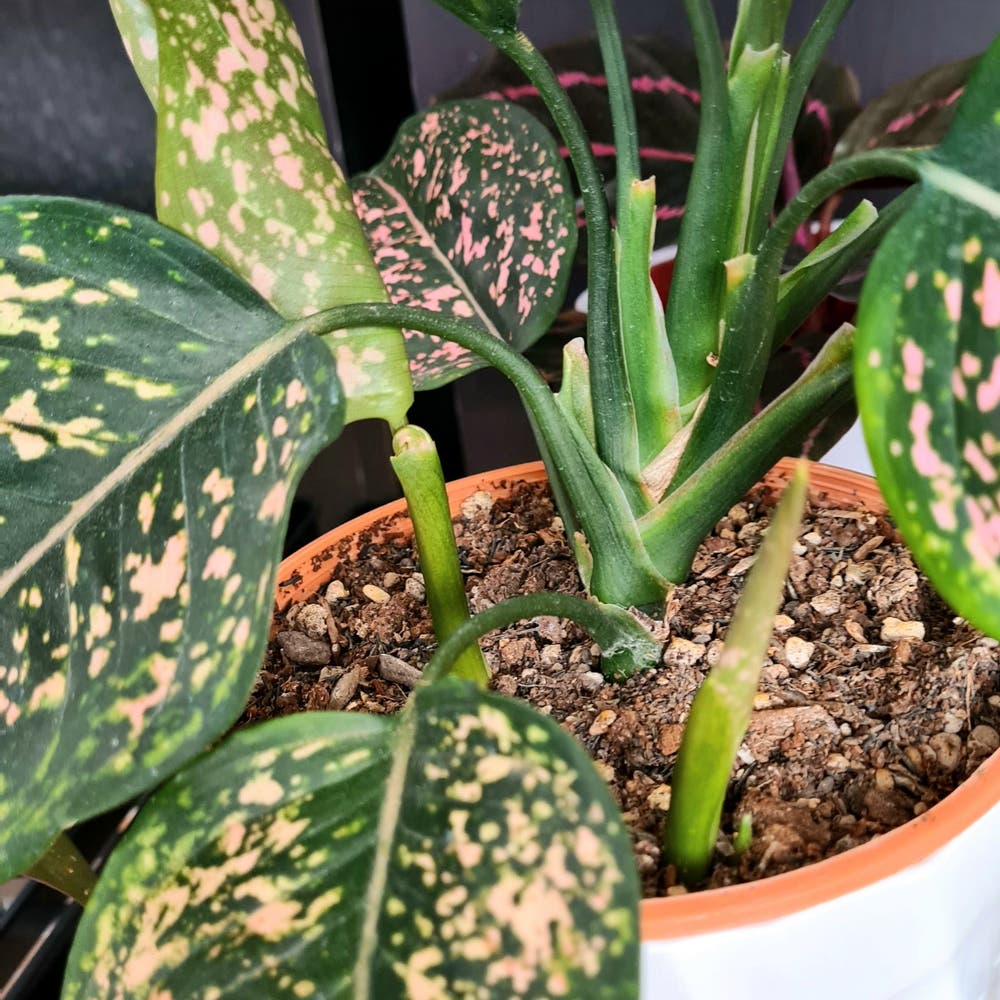
The Pink Dalmatian Aglaonema exhibits a moderate growth rate, characterized by its bushy foliage. This plant fills space beautifully without overwhelming its surroundings, making it a perfect choice for various garden settings.
Seasonally, it maintains its vibrant foliage year-round. Whether indoors or outdoors, it adapts well, ensuring your space remains lively and colorful throughout the seasons.
🌿 Natural Limits to Growth and Spread Potential
This plant thrives in low to medium light conditions, making it versatile for different environments. It prefers well-draining soil and moderate humidity, which are crucial for its health.
Growth limitations are primarily dictated by light availability and soil conditions. These factors prevent the Pink Dalmatian Aglaonema from becoming invasive, allowing it to coexist peacefully with other plants in your garden.
As we explore the ecological role of the Pink Dalmatian Aglaonema, you'll discover its benefits in garden ecosystems and its interactions with local wildlife.
Ecological Role
🌱 Benefits in Garden Ecosystems
The Pink Dalmatian Aglaonema is more than just a pretty face; it actively contributes to indoor air quality. Its air-purifying qualities help filter out toxins, making it a fantastic choice for home environments.
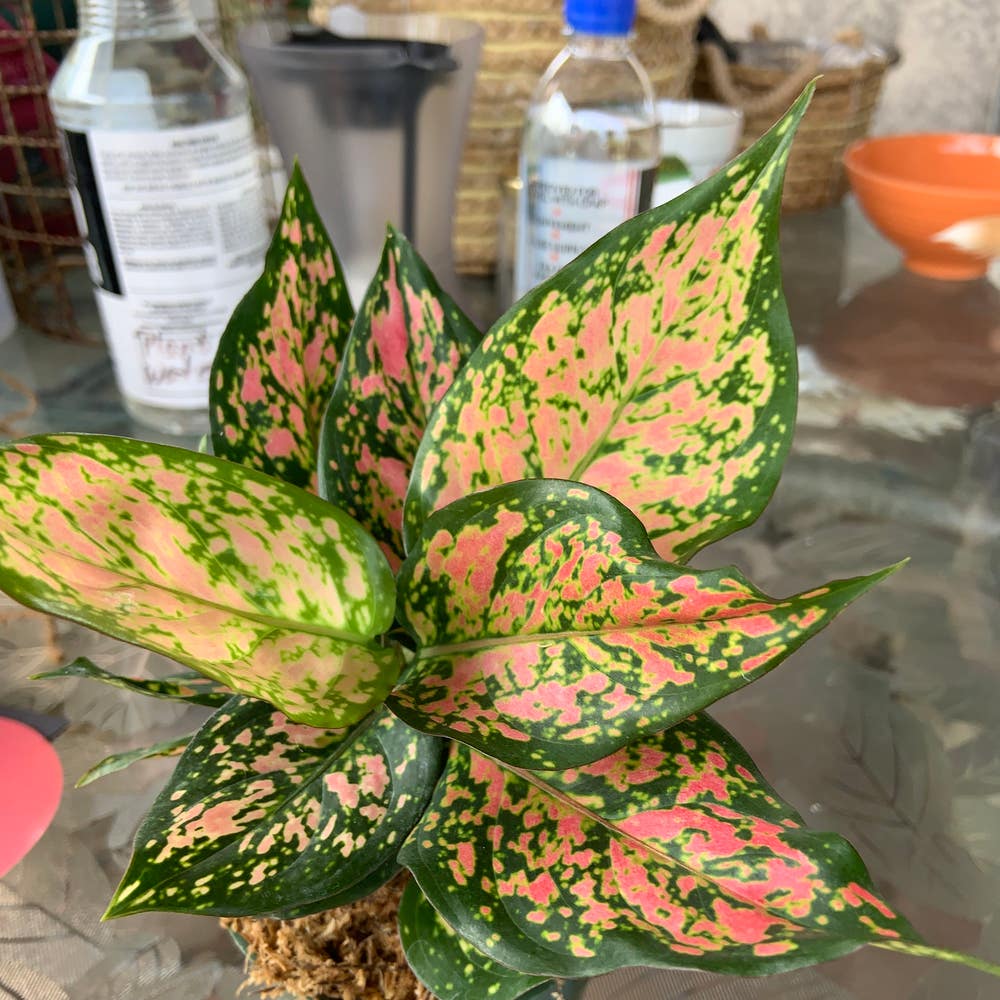
In addition to its health benefits, this plant adds vibrant color and texture to garden designs. Its striking pink and green leaves create a lively focal point, enhancing the overall aesthetic of any space.
🦋 Positive Interactions with Local Wildlife
This plant doesn't just benefit humans; it also attracts beneficial insects. By providing habitat for pollinators and other helpful organisms, the Pink Dalmatian Aglaonema plays a vital role in supporting local ecosystems.
Moreover, it coexists well with a variety of garden species. Its compatibility with other plants makes it an excellent choice for diverse garden layouts, promoting a harmonious environment.
Incorporating the Pink Dalmatian Aglaonema into your garden not only beautifies your space but also enriches the ecosystem around it. As we explore garden management next, we'll look at how to effectively integrate this plant into your designs.
Garden Management
Incorporating Pink Dalmatian Aglaonema into Garden Designs 🌸
When designing your garden, consider using the Pink Dalmatian Aglaonema as a stunning focal point. Its vibrant pink and green leaves can create a striking contrast against other plants, making it a visual delight.
For optimal placement, this plant thrives in shaded areas, making it perfect for spots that receive indirect sunlight. Additionally, it can serve beautifully as an indoor houseplant, bringing life and color to your living spaces.
Growth Control Methods if Necessary ✂️
To maintain the Pink Dalmatian Aglaonema's shape and size, regular pruning is essential. This not only keeps the plant looking tidy but also encourages healthy growth.
Monitoring its growth conditions is equally important. Assessing light and water levels will help prevent overgrowth, ensuring your plant remains a manageable and attractive addition to your garden or home.
Transitioning from garden management, let’s explore the unique ecological role of the Pink Dalmatian Aglaonema in your garden ecosystem.
Comparison to Other Plants
🌿 Similar Non-Invasive Plants
When considering non-invasive plants, the Peace Lily, Snake Plant, and Pothos stand out. Each of these plants thrives in low-light conditions and exhibits non-invasive growth habits, making them excellent companions in any garden or indoor setting.
🌸 Unique Qualities of Pink Dalmatian Aglaonema
The Pink Dalmatian Aglaonema is truly a showstopper with its striking pink and green variegated leaves. This distinctive appearance not only enhances its aesthetic appeal but also sets it apart from other houseplants.
Its adaptability is another remarkable trait. The Pink Dalmatian thrives in various indoor conditions, making it a versatile choice for plant lovers. Whether in a cozy corner of your living room or a bright office space, it fits right in.
In summary, while there are several non-invasive plants to choose from, the Pink Dalmatian Aglaonema offers unique visual charm and flexibility that can elevate any plant collection. As we explore the legal and environmental considerations of incorporating this beauty into your garden, you'll see just how beneficial it can be.
Legal and Environmental Considerations
📜 Relevant Classifications and Guidelines
When considering the Pink Dalmatian Aglaonema for your garden, it's essential to check local regulations. Some areas may have specific guidelines regarding the planting of Aglaonema, so a quick review can save you from potential issues.
This plant is generally recognized as non-invasive in many regions. Its limited spread potential makes it a safe choice for both indoor and outdoor environments.
🌱 Sustainable Gardening Practices
Incorporating Pink Dalmatian Aglaonema into sustainable garden designs is a fantastic way to enhance your space. This plant thrives in eco-friendly layouts, contributing to a greener environment.
Biodiversity is crucial for a healthy garden ecosystem. By adding this vibrant plant, you not only beautify your space but also promote resilience and health in your garden.
As you explore the benefits of the Pink Dalmatian Aglaonema, consider how it fits into your overall gardening strategy. Its non-invasive nature and adaptability make it a valuable addition to any garden.
Next, let’s delve into how to effectively manage its growth and integrate it into your garden design.
⚠️ Safety First
This content is for general information and may contain errors, omissions, or outdated details. It is not medical, veterinary advice, or an endorsement of therapeutic claims.
Always consult a qualified healthcare professional before using any plant as food, medicine, or supplement.
Never eat any plant (or feed one to pets) without confirming its identity with at least two trusted sources.
If you suspect poisoning, call Poison Control (800) 222-1222, the Pet Poison Helpline (800) 213-6680, or your local emergency service immediately.
Spotted an error? Please report it here.
Elevate your indoor garden with the vibrant Pink Dalmatian Aglaonema 🌸, and let Greg guide you with tailored care tips to keep it thriving in any space!