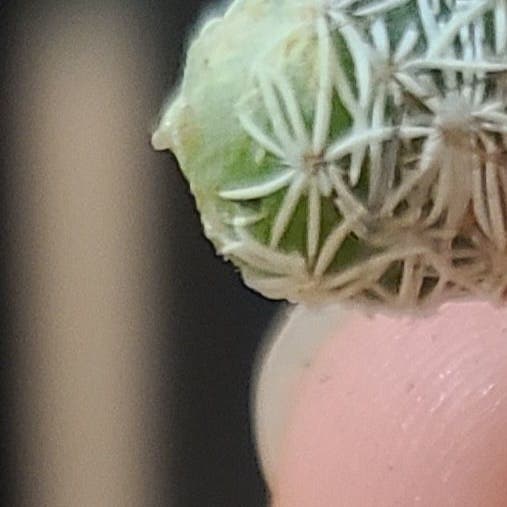
🍍 Where to Plant Your Pineapple Cactus
Coryphantha sulcata
By the Greg Editorial Team
Oct 02, 2024•5 min read
This article was created with the help of AI so we can cover more plants for you. May contain errors. See one? Report it here.
Cultivate a thriving Pineapple Cactus 🌵 with essential tips on sunlight, soil, and spacing for vibrant growth!
- 🌞 Pineapple cacti need 6-8 hours of sunlight daily for healthy growth.
- 🌱 Well-draining soil is crucial; mix in perlite or coarse sand for best results.
- 🌬️ Protect from wind using natural barriers to ensure thriving conditions.
Sunlight Exposure Requirements
🌞 Full Sun Exposure
Pineapple cacti thrive on 6-8 hours of direct sunlight daily. This exposure is crucial for robust growth and vibrant flowering.
Without enough sunlight, your cactus may show signs of distress. Look for elongated growth and a pale color—these are clear indicators that your plant isn't getting the light it craves.
☀️ Importance of Sunlight
Sunlight is not just a luxury for these cacti; it’s essential for their overall health. A well-lit environment encourages strong, compact growth and enhances the plant's ability to produce stunning blooms.
🔍 Signs of Inadequate Sun Exposure
If your pineapple cactus is stretching towards the light or losing its vibrant color, it’s time to reassess its location. These signs are your cactus's way of saying, “I need more sun!”
Ensuring your cactus receives adequate sunlight will set the foundation for a thriving plant. Keep an eye on its growth patterns and adjust its placement as needed to keep it happy and healthy.
Next, let’s explore the soil type preferences that will further support your pineapple cactus’s growth.
Soil Type Preferences
Well-Draining Soil 🌵
Choosing the right soil is crucial for your Pineapple Cactus. Well-draining soil prevents root rot, a common issue that can quickly turn your cactus from vibrant to lifeless.
For the best results, opt for a cactus potting mix or sandy loam. These options provide the drainage your cactus craves while retaining just enough moisture.
Soil pH ⚗️
The ideal soil pH for Pineapple Cactus ranges from slightly acidic to neutral, specifically between 6.0 and 7.0. This pH range supports healthy growth and flowering, ensuring your cactus thrives in its environment.
Practical Tips for Soil Selection 📝
When selecting soil, consider mixing in perlite or coarse sand to enhance drainage. This simple addition can make a significant difference in your cactus's health.
Remember, the right soil not only supports your cactus but also sets the stage for its growth. Keep an eye on your soil conditions, and don’t hesitate to make adjustments as needed.
With the right soil in place, your Pineapple Cactus will be well on its way to flourishing. Next, let’s explore how to position your cactus for optimal growth and health.
Proximity to Other Plants or Structures
Spacing Considerations 🌬️
When planting your Pineapple Cactus, aim for a spacing of 12-18 inches apart. This distance allows for adequate air circulation, which is crucial for preventing fungal diseases.
Overcrowding can lead to stunted growth and unhealthy plants. If your cacti are too close together, they may compete for resources, resulting in weaker specimens.
Ideal Companion Plants 🌿
Consider pairing your Pineapple Cactus with other drought-tolerant species. Plants like succulents, agaves, or even certain herbs can thrive alongside your cactus, creating a vibrant and resilient garden.
Choosing the right companions not only enhances aesthetics but also promotes a healthier ecosystem. These plants often share similar water and sunlight needs, making them perfect partners.
By ensuring proper spacing and selecting compatible plants, you set the stage for a flourishing garden. Next, let’s explore how environmental factors like wind protection can further enhance your Pineapple Cactus's growth.
Environmental Factors
🌬️ Wind Protection Strategies
Wind can be a silent enemy for your Pineapple Cactus. Strong gusts can damage its delicate structure, making wind protection essential for healthy growth.
To shield your cactus, consider using natural barriers like shrubs or fences. These can effectively block harsh winds while adding a touch of beauty to your garden.
🚰 Drainage Needs and Solutions
Proper drainage is crucial for cacti, including the Pineapple Cactus. Without it, you risk root rot, which can quickly turn your gardening dreams into a nightmare.
To ensure good drainage, opt for raised beds or pots with drainage holes. These solutions help excess water escape, keeping your cactus thriving and happy.
By paying attention to wind protection and drainage, you set the stage for a flourishing Pineapple Cactus. Next, let’s explore practical tips for site selection to further enhance your cactus care journey.
Practical Tips for Site Selection
Tools for Assessing Soil and Light 🌱
To ensure your Pineapple Cactus thrives, consider investing in a soil moisture meter. This handy tool helps you gauge drainage, preventing root rot by confirming that your soil isn't too wet.
A light meter is equally essential. It measures sunlight exposure in different areas, ensuring your cactus receives the full sun it craves.
Common Mistakes in Site Selection 🚫
One common pitfall is overlooking drainage. Poor soil conditions can lead to root rot, which is detrimental to your cactus's health.
Another mistake is ignoring sunlight patterns. Insufficient light can stunt growth and lead to unhealthy plants, so pay attention to how the sun moves across your garden.
Adjusting Location Based on Growth Patterns 🔄
Keep an eye on your cactus's growth habits. If you notice uneven growth, it might be time to adjust its placement for optimal sunlight.
Reassess your cactus's location after seasonal changes. This ensures that it continues to receive the right conditions as the environment shifts.
By following these practical tips, you'll set your Pineapple Cactus up for success, allowing it to flourish in its chosen spot. Next, let's explore the environmental factors that can further enhance its growth.
⚠️ Safety First
This content is for general information and may contain errors, omissions, or outdated details. It is not medical, veterinary advice, or an endorsement of therapeutic claims.
Always consult a qualified healthcare professional before using any plant as food, medicine, or supplement.
Never eat any plant (or feed one to pets) without confirming its identity with at least two trusted sources.
If you suspect poisoning, call Poison Control (800) 222-1222, the Pet Poison Helpline (800) 213-6680, or your local emergency service immediately.
Spotted an error? Please report it here.
Ensure your Pineapple Cactus gets the perfect spot 🌞 with Greg's tailored care tips and tools, so it thrives and flourishes in your garden!