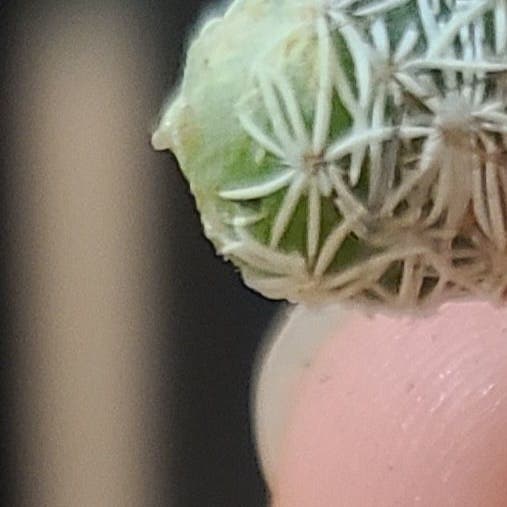
🍍 How Frequently Should I Water My Pineapple Cactus?
Coryphantha sulcata
By the Greg Editorial Team
Jun 18, 2024•3 min read
This article was created with the help of AI so we can cover more plants for you. May contain errors. See one? Report it here.
Master the art of watering your pineapple cactus for a happy, healthy plant life. 🌵🔍
- 🌵 Wrinkled leaves and light pot signal your cactus is thirsty.
- 💧 Adjust watering with seasons: more in summer, less in winter.
- 🕵️♂️ Use moisture meters or chopsticks to check soil dryness before watering.
When to Water: Reading Your Pineapple Cactus' Thirst Cues
🌵 Spotting a Thirsty Cactus
Your pineapple cactus is subtle with its needs. Wrinkled leaves are a dead giveaway—it's not trying to age prematurely; it's thirsty. If the soil feels like a dry stand-up comedian's humor, it's time for a drink. Don't wait for your cactus to start gasping; check the top inch of soil for dryness.
🚱 Too Much of a Good Thing: Overwatering Signs
Overwatering is the helicopter parent of plant care—too much attention can smother. Yellowing leaves are the cactus's way of saying, "Back off with the watering can!" A base that feels mushy is an SOS signal for root rot. If your pot feels like a swamp, you've gone overboard. Remember, a light pot indicates thirst, a heavy one suggests excess water.

Tailoring Watering to Your Cactus' Lifestyle
🌞 Seasonal Shifts in Watering Needs
As the summer sun intensifies, your pineapple cactus's thirst ramps up. It's the season to water more frequently, thanks to the higher rate of evaporation. But when winter whispers its chilly lullabies, your cactus tucks itself in for a dormant phase. During this time, it's crucial to cut back on watering, giving it just enough to prevent dehydration without overdoing it.
💨 The Impact of Home Environments
Indoor conditions are a game-changer for your cactus's watering needs. Heating systems in winter can dry out the air, potentially necessitating a slight increase in watering frequency to compensate for the loss of humidity. Conversely, air conditioning in summer can cool and dehumidify, which might mean your cactus can go longer between waterings. Always keep an eye on the soil moisture and adjust your approach accordingly.

The Nitty-Gritty of Watering Frequency
💧 The Perfect Timing
Your pineapple cactus is not a fan of calendar-based care. In the spring and summer, when it's in its growth spurt, you'll want to check the soil weekly. If it feels like a dry martini, it's time to water. When winter rolls around, think more of a monthly check-in—every 4 to 6 weeks should do the trick. Watering in the morning or evening is best to avoid any harsh reactions from the sun.
👩🌾 The Personal Touch
Listen, your cactus won't text you when it's thirsty. You've got to be a bit of a plant detective. If it's looking plump and happy, you're on the right track. If it's shriveled like a prune, it's SOS time. Use room-temperature water to avoid shocking the roots. And if you're the type who loves to love a bit too much, set reminders to check the soil before you water again. Remember, your cactus's vibe is more important than any schedule.

Watering Best Practices for a Happy Cactus
💦 The Right Way to Water
For your pineapple cactus, embrace the soak and dry method. This means thoroughly drenching the soil, allowing water to reach the roots, akin to a desert storm. After the deluge, patience is key; wait for the soil to be completely dry before the next watering. This cycle promotes robust root growth and prevents rot.
🛠 Tools of the Trade
Moisture meters are your secret weapon, taking the guesswork out of watering. No meter? A simple chopstick plunged into the soil can act as a DIY gauge. If it emerges clean, it's time to water. For a precise pour, aim water slowly at the base, avoiding the foliage. Remember, your cactus's feedback is crucial—observe and adjust your watering approach accordingly.
⚠️ Safety First
This content is for general information and may contain errors, omissions, or outdated details. It is not medical, veterinary advice, or an endorsement of therapeutic claims.
Always consult a qualified healthcare professional before using any plant as food, medicine, or supplement.
Never eat any plant (or feed one to pets) without confirming its identity with at least two trusted sources.
If you suspect poisoning, call Poison Control (800) 222-1222, the Pet Poison Helpline (800) 213-6680, or your local emergency service immediately.
Spotted an error? Please report it here.
Ensure your pineapple cactus thrives through every season with Greg's customized watering reminders 📅, tailored to your plant's feedback and the changing indoor conditions!