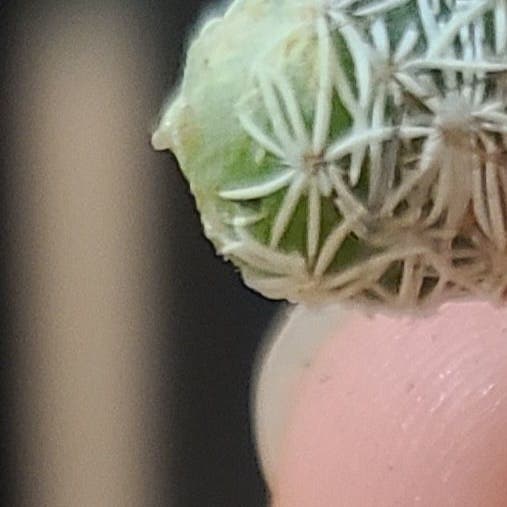
🍍 Choosing Fertilizer For My Pineapple Cactus
Coryphantha sulcata
By the Greg Editorial Team
Jun 18, 2024•3 min read
This article was created with the help of AI so we can cover more plants for you. May contain errors. See one? Report it here.
Nourish your Pineapple Cactus to perfection with the ultimate fertilizer guide for lush growth and blooms! 🌵🌟
- Essential nutrients: Nitrogen, phosphorus, potassium, and key micronutrients.
- 🌵 Seasonal fertilizing: Monthly in spring, adjust in summer, skip in winter.
- Over-fertilization signs: Yellow/brown leaves, crusty soil, stunted growth, no blossoms.
Picking the Perfect Fertilizer for Your Pineapple Cactus
🌱 Key Nutrients for Pineapple Cactus
Nitrogen, phosphorus, and potassium are the trifecta of plant health, and your Pineapple Cactus is no exception. These macronutrients support growth, root development, and the plant's ability to fight off stress.
Micronutrients like iron, magnesium, and zinc might not get the limelight, but they're pivotal for your cactus's well-being. They're like the backstage crew that ensures the show goes on without a hitch.
🌿 Organic vs. Synthetic: Tailoring to Pineapple Cactus Needs
Organic fertilizers are the slow food movement for plants. They release nutrients gradually, fostering a robust soil ecosystem. This is the long game for plant health, and your Pineapple Cactus will savor every bit.
Synthetic fertilizers are the quick fix—fast and precise. They're like an energy shot for your cactus, providing immediate nutrient access. Use them wisely, though; it's easy to cross the line into nutrient excess.

Timing is Everything: When to Feed Your Pineapple Cactus
🌱 Growing Season Guidelines
Spring is the prime time for fertilizing your Pineapple Cactus. This is when your spiky friend is gearing up for growth and blooming. Once a month is the magic number—think of it as a monthly growth subscription.
During summer, your cactus continues to grow but may need an adjusted fertilizer regimen due to the intense heat. Keep up the monthly schedule but watch for signs of stress.
❄️ Winter Woes: To Feed or Not to Feed?
Winter is the cactus's time to chill. It enters a dormant phase, and fertilizing it is as useful as a chocolate teapot. Hold off on the fertilizer and let your cactus rest until spring rolls back around.

Serving Up Nutrients: How to Apply Fertilizer
💧 Mixing it Right: Dilution Ratios for Safety and Efficacy
Dilution is the name of the game when it comes to fertilizing your Pineapple Cactus. Aim for a half-strength solution of the recommended dose to prevent nutrient burn. It's about precision; too strong a mix is like a salt overdose for your cactus.
Frequency and Quantity: Less is Often More
Your Pineapple Cactus doesn't need a feast of nutrients; a light snack will do. Fertilize sparingly, during the active growing season—typically spring and summer. Remember, it's better to leave your cactus craving a little more than to overwhelm it with too much.

Oops, Too Much! Dealing with Over-Fertilization
🚨 Spotting Trouble: Signs Your Pineapple Cactus is Overfed
If your Pineapple Cactus is sporting yellow or brown leaves, it's waving a caution flag. A crust of fertilizer on the soil surface is like a neon sign pointing to over-fertilization. Stunted growth and a lack of blossoms, despite your best efforts, also hint at nutrient overload. It's a clear message: ease up on the feeding frenzy.
🛠️ The Recovery Plan: Remedies for an Over-Fertilized Cactus
To rescue your cactus from the clutches of nutrient excess, flush the soil with water. This isn't a one-and-done deal; repeat every few days to ensure those excess nutrients are washed away. Prune away any wilted or burned leaves—they're beyond saving. For potted plants, consider replacing the top layer of soil or repotting entirely to give your cactus a fresh start. And remember, when it comes to fertilizer, less is more—your cactus's recovery will be a testament to that.
⚠️ Safety First
This content is for general information and may contain errors, omissions, or outdated details. It is not medical, veterinary advice, or an endorsement of therapeutic claims.
Always consult a qualified healthcare professional before using any plant as food, medicine, or supplement.
Never eat any plant (or feed one to pets) without confirming its identity with at least two trusted sources.
If you suspect poisoning, call Poison Control (800) 222-1222, the Pet Poison Helpline (800) 213-6680, or your local emergency service immediately.
Spotted an error? Please report it here.
Keep your Pineapple Cactus thriving 🌵 with Greg's custom fertilizing reminders, ensuring it gets the right nutrients at the right time without the fuss.