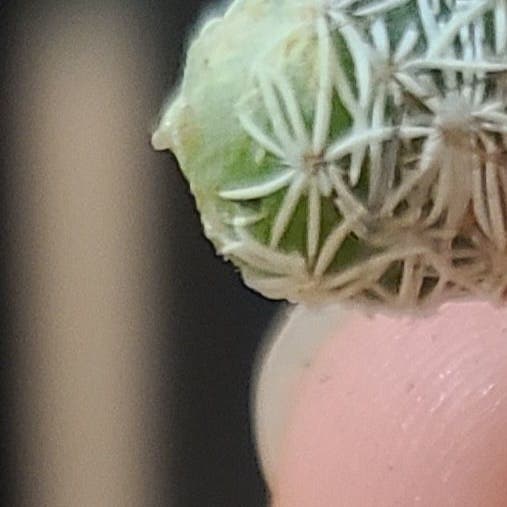
🍍 Lifespan of Pineapple Cactus
Coryphantha sulcata
By the Greg Editorial Team
Oct 02, 2024•5 min read
This article was created with the help of AI so we can cover more plants for you. May contain errors. See one? Report it here.
Discover how to nurture your pineapple cactus from seedling to stunning bloom! 🌱🌸
- 🌱 Pineapple cactus seeds germinate in 2-4 weeks with proper temperature and light.
- 🌞 Optimal growth requires indirect sunlight and a well-draining cactus mix.
- 🌵 Maturity takes 5-10 years, reaching heights of up to 10 feet!
Germination Stage
Duration of Germination 🌱
The germination period for pineapple cactus seeds typically spans 2 to 4 weeks. However, this timeframe can vary based on several factors, including temperature, moisture, and light exposure.
Conditions for Successful Germination 🌡️
To ensure successful germination, maintain an optimal temperature range of 70°F to 85°F (21°C to 29°C).
Soil Requirements
Use a well-draining cactus mix to prevent waterlogging, which can hinder seed development.
Light Conditions
Provide indirect sunlight to protect the seeds from scorching, allowing them to sprout effectively without stress.
Understanding these conditions will set the foundation for a healthy pineapple cactus. As you nurture your seeds, you’ll be one step closer to witnessing their growth journey.
Seedling Stage
Length of Seedling Stage 🌱
The seedling stage of the pineapple cactus lasts between 6 months to 1 year. During this time, you'll know it's ready for transplanting when it reaches a height of 2-3 inches and has developed a robust root system.
Key Characteristics of Seedlings 🌟
Seedlings have a distinct appearance, showcasing a small, cylindrical shape with spines starting to form. Initially, growth is slow as the plant focuses on establishing its roots, laying the groundwork for future development.
Growth Habits 🐢
In this stage, patience is key. The pineapple cactus prioritizes root establishment over visible growth, ensuring it has a strong foundation for the years to come.
Transitioning to the Next Stage 🚀
Once your seedlings are ready for transplanting, they will embark on the next exciting phase of their life cycle. This transition sets the stage for vigorous vegetative growth, where they will truly begin to flourish.
Vegetative Growth Stage
🌱 Duration of Vegetative Growth
The vegetative growth stage of the pineapple cactus lasts between 1 to 3 years. This duration largely hinges on environmental conditions like light, water, and nutrient availability.
🌵 Changes in Appearance and Structure
During this stage, you'll notice significant changes in the cactus's appearance. The stems thicken, and spine density increases, giving it a more robust look.
📏 Height Increase
As the pineapple cactus matures, it can reach impressive heights, often several feet tall. This growth underscores the importance of providing adequate spacing to allow each plant room to thrive.
☀️ Optimal Growth Conditions
To maximize growth, ensure your cactus receives the right amount of light and water. These factors play a crucial role in determining how quickly your plant flourishes.
The vegetative growth stage is a fascinating period where the pineapple cactus transforms, setting the stage for its eventual flowering. Understanding these changes will help you provide the best care as your cactus continues to grow.
Flowering and Seed Production
Timeframe for Flowering 🌸
Pineapple cacti typically start to flower between 3 to 5 years after germination. These vibrant blooms usually appear during the warmer months, adding a splash of color to your cactus collection.
Description of Flowers and Pollination 🦇
The flowers of the pineapple cactus are large, fragrant, and can be white or yellow, opening at night to attract nocturnal pollinators. Moths and bats play a crucial role in pollination, ensuring the plant can produce seeds effectively.
Duration and Process of Seed Production ⏳
Seed production begins shortly after flowering, usually within a few weeks. Following successful pollination, seeds develop in fruit-like structures, ready to continue the life cycle of this remarkable plant.
As you explore the fascinating stages of the pineapple cactus, you'll appreciate the intricate processes that lead to its growth and reproduction. Next, we’ll delve into the growth rate and maturation of this unique cactus, uncovering how long it takes to reach full size.
Growth Rate and Maturation
How Long Until Pineapple Cactus is Fully Grown? 🌵
The pineapple cactus typically reaches full maturity in about 5 to 10 years under optimal conditions. When fully grown, it can tower up to 10 feet tall, showcasing its impressive stature.
Factors Influencing Growth Rate 🌱
Several environmental factors play a crucial role in determining the growth rate of pineapple cactus. Key elements include light intensity, temperature, soil quality, and watering practices.
Indoor vs. Outdoor Growth 🏡
Growth rates can vary significantly between indoor and outdoor environments. Outdoor conditions often provide more natural light and space, promoting faster growth compared to the more controlled indoor settings.
Understanding these factors can help you create the ideal environment for your pineapple cactus, ensuring it thrives and reaches its full potential. As you nurture your plant, keep an eye on these variables to optimize its growth journey.
Notable Changes Throughout Life Cycle
🌱 Physical Changes at Each Growth Stage
The pineapple cactus undergoes distinct transformations throughout its life cycle. During germination, the first sign of life is the emergence of cotyledons, which are the plant's initial leaves.
As it enters the seedling stage, you'll notice the development of small spines and a focus on establishing a robust root system. This sets the foundation for future growth.
In the vegetative growth stage, the cactus thickens its stems and increases in height, showcasing its resilience. Finally, during flowering, large, vibrant blooms emerge, signaling maturity and readiness for reproduction.
🌵 Adaptations to Environmental Conditions
One of the most remarkable features of the pineapple cactus is its drought resistance. It has evolved to store water in its stems, allowing it to thrive in arid conditions.
Additionally, its spiny exterior serves a dual purpose: it protects against herbivores and minimizes moisture loss. These adaptations are crucial for survival in challenging environments.
🌿 Changes in Care Needs as the Plant Matures
As the pineapple cactus matures, its care requirements shift significantly. Watering frequency decreases, as the plant becomes more efficient at conserving moisture.
Nutrient needs may also change, requiring adjustments based on its growth stage. Moreover, as the cactus grows taller, it may need more direct sunlight to support its expanding structure.
Understanding these changes will help you provide the best care for your pineapple cactus, ensuring it thrives throughout its life cycle.
⚠️ Safety First
This content is for general information and may contain errors, omissions, or outdated details. It is not medical, veterinary advice, or an endorsement of therapeutic claims.
Always consult a qualified healthcare professional before using any plant as food, medicine, or supplement.
Never eat any plant (or feed one to pets) without confirming its identity with at least two trusted sources.
If you suspect poisoning, call Poison Control (800) 222-1222, the Pet Poison Helpline (800) 213-6680, or your local emergency service immediately.
Spotted an error? Please report it here.
Unlock the secrets of your pineapple cactus's growth journey 🌱 with Greg's tailored care tips and reminders, ensuring it flourishes from seed to magnificent bloom!