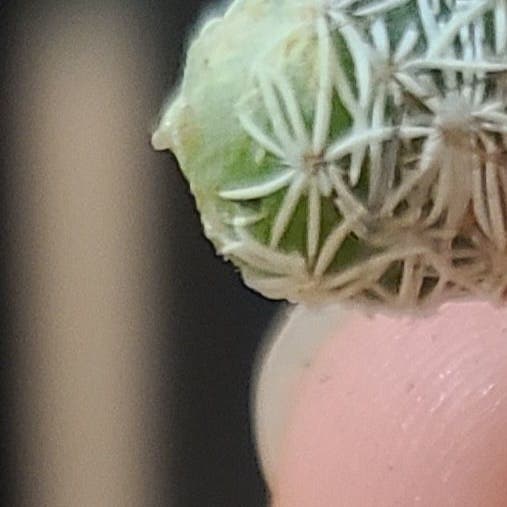
🍍 Why Are My Pineapple Cactus Leaves Curling?
Coryphantha sulcata
By the Greg Editorial Team
Jun 18, 2024•4 min read
This article was created with the help of AI so we can cover more plants for you. May contain errors. See one? Report it here.
Unravel the mystery of curling Pineapple Cactus leaves and revive your spiky friend 🌵 to its full glory!
- Curled leaves signal distress; watch for discoloration and weak spikes too.
- 🌵 Balance water, temperature, and light to prevent curling.
- Regular checks and proper soil help maintain a healthy Pineapple Cactus.
Spotting the Signs of Trouble
🌵 Visual cues: Identifying leaf curling and related symptoms in your Pineapple Cactus.
When your Pineapple Cactus starts looking like it's bracing for a windstorm, it's time to take note. Curled leaves are the cactus's non-verbal way of saying, "Hey, I'm not okay!" This can manifest as leaves that twist inward or outward, abandoning their usual flat or gently curved form.
🌵 Beyond the curl: Understanding what your cactus is trying to tell you.
But the plot thickens beyond the curl. Discoloration is another telltale sign; a shift from vibrant green to a dull yellow or brown spells trouble. Keep an eye out for necrotic spots and spikes that have lost their spunk. If your cactus's armor is looking less formidable, it's a clear sign of distress. And don't forget to check the underside of leaves for pests making themselves at home. If you spot any of these symptoms, it's time for some plant TLC.

Common Culprits Behind Curled Leaves
💧 Water Woes
Underwatering is like sending your cactus on a desert trek with no water bottle. The leaves curl to conserve every precious drop of moisture. If the soil feels like a dry wasteland, it's time to water.
Overwatering, though, turns your cactus pot into a swamp. Roots suffocate, and leaves curl from the stress. A squishy feel to the soil? Hold off on the H2O.
🌡️ Climate Challenges
Heat can make a cactus's leaves curl up tighter than a rolled-up sleeping bag. It's their way of saying, "I'm boiling here!" If your cactus is too close to a heat source, consider relocating it.
Conversely, cold can make leaves curl faster than a hedgehog in danger. If your cactus is shivering near a drafty window, it's time to find a warmer spot.
🌞 Light Levels
Sunburn happens when a cactus gets more light than a beachgoer without sunscreen. Leaves curl as a shield. If the light is scorching, diffuse it or move the plant to a shadier spot.
Shade can be just as tricky. Leaves reaching and curling like they're begging for sunlight means they're not getting enough. Find that sweet spot where the light is just right.

Turning Things Around
💧 Adjusting Your Watering Routine
Watering your Pineapple Cactus isn't a set-it-and-forget-it deal. Observe the soil before you water—parched for too long and leaves curl; soggy and they might rot. Aim for moist, not muddy. When the top inch feels like a dry desert, it's time to quench your cactus's thirst.
Look for signs of recovery in your plant's posture. Leaves should start to uncurl and stand a bit more proudly, as if they're ready to face the world again.
🌡️ Creating a Comfortable Climate
Your Pineapple Cactus doesn't need a sauna or an ice bath; it craves stability. Protect it from temperature tantrums by keeping it away from drafty windows and scorching heaters. If you're shivering or sweating, chances are your cactus is too.
☀️ Optimizing Light Exposure
Sunlight is like a double-edged sword; your cactus needs it, but too much and it's game over. Find a spot where the light is bright but indirect, like a rockstar basking in the glow of stage lights without the burn. Rotate the pot occasionally to ensure even exposure, keeping those leaves from reaching and curling.

Proactive Plant Parenting
🌵 The Right Home for Your Cactus
Choosing the right pot and soil mix is like setting up a base camp for your cactus's lifelong adventure. Go for a pot with drainage holes to prevent water from throwing a pool party at your cactus's roots. Terra cotta pots are MVPs here, letting the soil breathe and dry out faster than plastic can.
For the soil, think of it as your cactus's meal plan—well-draining and nutrient-rich is the way to go. A mix of potting soil, compost, and perlite or pumice will keep your cactus from getting the blues. Remember, a happy cactus is all about the right foundation.
👀 Keeping a Watchful Eye
Regular check-ups are non-negotiable. Keep an eye out for early signs of distress like discoloration or growth slowdown. It's like being a plant detective; the sooner you spot the clues, the quicker you can act.
Pruning isn't just for looks—it's like helping your cactus shed unnecessary baggage. Trim away any dead or dying parts to keep your cactus feeling fresh and spry. And always, always use protective gloves—those spines don't play nice.
Remember, vigilance is key. Your cactus relies on you to spot the signs before a full-blown leaf curl crisis hits. Stay sharp, and your cactus will thank you with its vibrant presence.
⚠️ Safety First
This content is for general information and may contain errors, omissions, or outdated details. It is not medical, veterinary advice, or an endorsement of therapeutic claims.
Always consult a qualified healthcare professional before using any plant as food, medicine, or supplement.
Never eat any plant (or feed one to pets) without confirming its identity with at least two trusted sources.
If you suspect poisoning, call Poison Control (800) 222-1222, the Pet Poison Helpline (800) 213-6680, or your local emergency service immediately.
Spotted an error? Please report it here.
Revive your Pineapple Cactus from curling leaves by tuning in 🌵 to Greg's tailored environment tips and watering reminders for a thriving spiky companion!