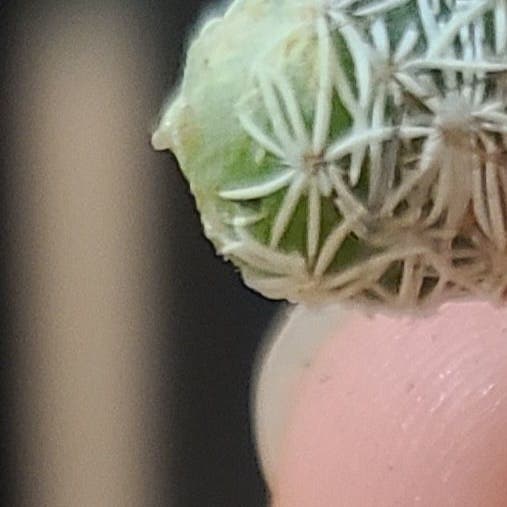
🍍 Why Are My Pineapple Cactus Leaves Mushy?
Coryphantha sulcata
By the Greg Editorial Team
Jun 18, 2024•4 min read
This article was created with the help of AI so we can cover more plants for you. May contain errors. See one? Report it here.
Stop mushy leaves from ruining your Pineapple Cactus 🌵—learn the secrets to a firm, flourishing plant!
- Overwatering and poor drainage are top causes of mushy Pineapple Cactus leaves.
- Fungal and bacterial infections need treatment; look for white spots, funky smell.
- Adjust watering and soil to prevent mushiness; let topsoil dry between waterings.
Spotting the Trouble: Signs of Mushiness in Pineapple Cactus
🍄 Identifying Mushy Leaves
Visual cues are your first alert. If your Pineapple Cactus is sporting leaves that look like they've seen better days, with dark spots or a wilted, defeated posture, it's time to act. Touch is just as telling; leaves should not mimic the feel of a damp sponge.
Texture changes are the next clue. A healthy leaf resists pressure, while a mushy one caves like a poorly set pudding. If the leaves of your Pineapple Cactus feel too soft or squishy, consider this a botanical red flag.
📊 Assessing the Severity
Determine if the mushiness is mild or severe. Mild cases may only affect a few leaves, but severe mushiness can indicate a systemic issue, possibly affecting the entire plant.
Immediate action is required if there's a foul odor or if the roots resemble a brown sludge—classic signs of root rot. Also, if pests like mealybugs have turned the leaves to mush, leaving a fluffy white residue, it's time for some serious plant triage.

Rooting Out the Causes
💦 Overwatering Woes
Overwatering is the fast track to mushy leaves in Pineapple Cactus. Roots need to breathe, and too much water suffocates them, leading to a breakdown of the plant's structure. Look out for yellowing leaves, a clear sign of distress, and a soil consistency that's more sludge than substrate.
🚰 The Perils of Poor Drainage
The right pot and soil are your cactus's best friends. Poor drainage turns a pot into a swamp, and no cactus likes wet feet. Heavy pots after watering and water that sits at the bottom are red flags. It's time to rethink your container choice if it's more sealed than Swiss cheese.
🦠 Infection Invasion
Fungal and bacterial infections love a moist environment. They sneak in when conditions are right, turning robust leaves into mushy disappointments. White powdery spots or a funky smell? These are the hallmarks of an infection, not just overzealous watering.

The Recovery Plan: Treating Mushy Leaves
💧 Adjusting Your Watering Routine
Finding the sweet spot for watering your Pineapple Cactus is essential. Overwatering is a common culprit for mushy leaves.
- Water only when the soil is dry to the touch.
- Use distilled or filtered water for an extra touch of care.
🌱 Improving Soil and Drainage
Amend soil to improve drainage and prevent waterlogging.
- Mix in perlite or coarse sand to increase aeration.
- Choose a pot with multiple drainage holes or opt for a terracotta pot to wick away excess moisture.
🦠 Dealing with Infections
Fungal and bacterial infections can turn leaves to mush.
- Trim away affected areas with sterilized shears.
- Use fungicides as directed, and consider professional help for severe cases.

Keeping It Firm: Prevention Strategies
💧 Watering Wisdom
Consistency is your Pineapple Cactus's best friend when it comes to watering. Overwatering is the fast track to mushy leaves, so let the topsoil dry out before you water again. Remember, it's a cactus, not a water lily. Use a moisture meter or the trusty finger test to ensure the soil is dry. Water deeply but infrequently to encourage strong root growth.
🌱 Soil and Environmental Mastery
Choosing the right soil mix is like choosing the right foundation for a house—it's critical. A well-draining mix with perlite or sand prevents water from overstaying its welcome. As for pots, make sure they have drainage holes; otherwise, you're giving your cactus a bathtub, not a home.
Environmental conditions can make or break your Pineapple Cactus's mood. Keep an eye on the thermometer and hygrometer; these gadgets are your allies in maintaining the ideal microclimate. Adjust care with the seasons—less water in winter, and ensure it's not baking in the summer sun.
Regular monitoring is like a health check-up for your plant. By keeping a watchful eye and maintaining stable conditions, you're not just preventing mushy leaves; you're setting the stage for a thriving Pineapple Cactus.
⚠️ Safety First
This content is for general information and may contain errors, omissions, or outdated details. It is not medical, veterinary advice, or an endorsement of therapeutic claims.
Always consult a qualified healthcare professional before using any plant as food, medicine, or supplement.
Never eat any plant (or feed one to pets) without confirming its identity with at least two trusted sources.
If you suspect poisoning, call Poison Control (800) 222-1222, the Pet Poison Helpline (800) 213-6680, or your local emergency service immediately.
Spotted an error? Please report it here.
Keep your Pineapple Cactus thriving 🌵 by using Greg to monitor and adjust care, ensuring you nip mushy leaves in the bud before they become a bigger problem!