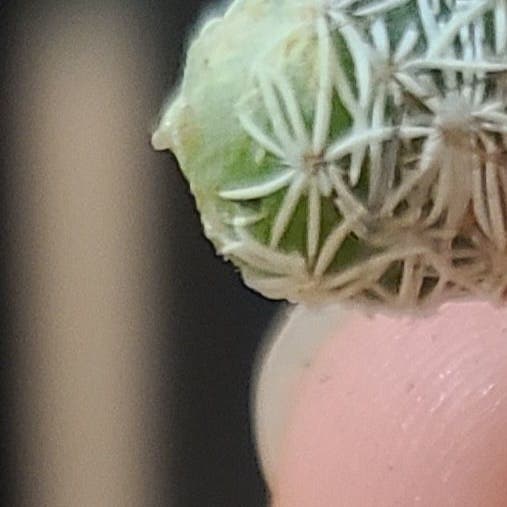
🍍 Best Soil Potting Mix for Pineapple Cactus
Coryphantha sulcata
By the Greg Editorial Team
Jun 18, 2024•5 min read
This article was created with the help of AI so we can cover more plants for you. May contain errors. See one? Report it here.
Discover the secret soil recipe 🌵 for a thriving Pineapple Cactus and say goodbye to plant woes!
- 🚫 Mold signals soil distress, leading to root rot and stunted cactus growth.
- Well-draining, aerated soil is crucial for Pineapple Cactus health.
- Customize your soil mix with potting soil, coarse sand, and perlite.
Spotting and Fixing Unhappy Cactus Soil
🚨 Recognizing the SOS signals from your soil
🍄 Telltale signs of mold and other soil woes
Mold on your Pineapple Cactus soil is a red flag. It's not just an eyesore; it's a sign your cactus is in distress. If you spot a fuzzy growth or detect a musty odor, it's time to act. Yellowing leaves? They're screaming for help.
How unhealthy soil affects your Pineapple Cactus
Unhealthy soil can lead to a host of problems, from root rot to stunted growth. Your Pineapple Cactus relies on the soil for support, nutrients, and moisture balance. If the soil is off, your cactus will be too.
🔄 Turning the soil frown upside down
🌱 Quick fixes for moldy situations
When mold strikes, it's repotting time. Remove your cactus from its current soil, shake off the excess, and give it a new home in fresh, well-draining mix. Adjust your watering habits—less is more.
Fluffing it up: Dealing with compacted soil
Compacted soil is a no-go for your spiky friend. If the soil feels like a packed suitcase, it's time to fluff it up. Mix in some perlite or coarse sand to reintroduce that airy feel your cactus loves.

The Perfect Soil Mix: What's In It?
🌵 The must-haves for Pineapple Cactus bliss
Well-draining soil is the Pineapple Cactus's best friend. To create this paradise, you'll need:
- Coarse sand or gravel to ensure rapid water passage.
- Perlite or pumice for that airy feel, preventing soil compaction.
- Coco coir or peat moss, which hold moisture just right without turning your pot into a swamp.
Balancing aeration and moisture retention is key. Your cactus's roots crave oxygen as much as they need water. Strike that balance, and you're golden.
🛍️ Store-bought vs. Home-made: Weighing your options
When to buy, and when to DIY? Store-bought mixes can be convenient, but they're not all created equal. Look for mixes boasting excellent drainage and minimal organic material.
Crafting your own mix? It's a control freak's dream. You get to play soil god, tweaking the recipe to your cactus's exacting standards and your local climate. Plus, it can be more cost-effective and you avoid the surprise of pests or pathogens often found in commercial mixes.
Remember, whether you buy or DIY, the goal is to mimic the cactus's natural habitat. So, no recreating the Amazon rainforest in your pot.

Crafting Your Own Cactus Crib
🌵 The recipe for homemade Pineapple Cactus soil
Creating the ideal soil mix for your Pineapple Cactus is like fine-tuning a playlist for your favorite plant.
📜 Ingredients and Proportions
Start with a base of equal parts potting soil and coarse sand. This duo ensures good drainage, a must-have for cactus health. Add perlite into the mix for that extra aeration; aim for a 1:1:1 ratio with the other components. If you're in a humid climate, cut back on moisture-retaining elements like peat moss. Conversely, in dryer areas, a bit more peat can help maintain the right moisture level.
🌦️ Climate Considerations
Adjust the mix based on your local weather patterns. More perlite may be necessary if you're dealing with a lot of rain, while extra peat moss can be beneficial in arid zones. Remember, the goal is to mimic the Pineapple Cactus's natural, well-draining habitat.
🌵 Tailoring to Your Cactus
No two cacti are the same, so don't hesitate to tweak the recipe. Monitor your cactus's response and adjust the soil components as needed. It's about creating a custom home for your spiky friend.
🥄 Mixing Instructions
Combine your ingredients in a large container, stirring until the mixture is as uniform as your dedication to your cactus. Aim for a gritty texture; if it clumps too much, add more perlite. Too dusty? A bit more potting soil can help.
📦 Storing Your Mix
Got extra? Seal it in an airtight container and store in a dry place. This way, you'll have your homemade mix ready for the next repotting session, ensuring consistency for your cactus's home.
🧼 Sterilization: The Secret Step
Before using your mix, consider sterilizing it to kill off any lurking pathogens. You can bake or microwave the soil, then let it cool before potting. This step is like a health insurance policy for your Pineapple Cactus.
Remember, crafting your own soil mix isn't just about saving a few bucks. It's about the satisfaction of knowing you've tailored every grain of sand and fluff of perlite to suit your spiny friend's picky preferences.

The Art of Maintenance: Keeping the Soil Supreme
💉 Routine check-ups for sustained soil health
Regular soil check-ups are crucial for a Pineapple Cactus's well-being. Refresh the soil when it begins to look exhausted, much like you'd perk up with a strong coffee on a sluggish morning. Overhaul the mix entirely if it's as lifeless as a forgotten New Year's resolution.
🚱 Adjusting your care to prevent future soil distress
Watering wisdom is key; think of it as the plant's lifeline. Water should be given judiciously, enough to quench thirst but not so much that the cactus needs a lifeboat. Adjust your watering schedule with the finesse of a DJ tweaking the sound levels, ensuring the soil's moisture is just right—neither a desert nor a swamp.
⚠️ Safety First
This content is for general information and may contain errors, omissions, or outdated details. It is not medical, veterinary advice, or an endorsement of therapeutic claims.
Always consult a qualified healthcare professional before using any plant as food, medicine, or supplement.
Never eat any plant (or feed one to pets) without confirming its identity with at least two trusted sources.
If you suspect poisoning, call Poison Control (800) 222-1222, the Pet Poison Helpline (800) 213-6680, or your local emergency service immediately.
Spotted an error? Please report it here.
By keeping an eye on your Pineapple Cactus's soil with Greg's moisture alerts 🌵, you'll master the art of the perfect potting mix, ensuring a happy, healthy plant.