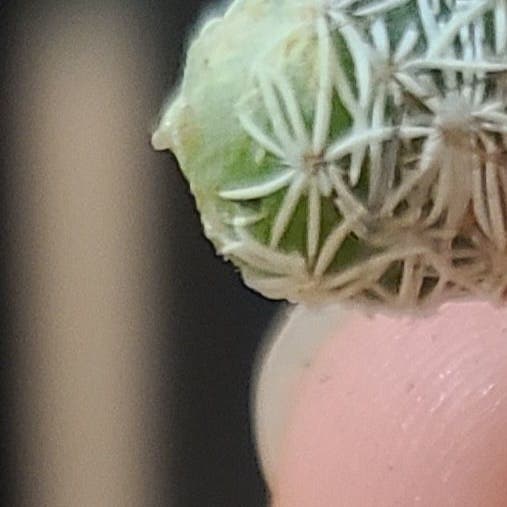
🍍 10 Tips for How to Plant Pineapple Cactus
Coryphantha sulcata
By the Greg Editorial Team
Oct 02, 2024•5 min read
This article was created with the help of AI so we can cover more plants for you. May contain errors. See one? Report it here.
Transform your garden with thriving Pineapple Cactus 🌵 by mastering essential planting and care techniques!
- 🌱 Plant new Pineapple Cactus in spring for optimal growth and quicker establishment.
- ☀️ Ensure 6-8 hours of sunlight daily for thriving Pineapple Cactus health.
- 💧 Water infrequently and allow soil to dry completely to prevent root rot.
Key Considerations for Planting Pineapple Cactus
🌱 Planting vs. Transplanting
When deciding between planting new Pineapple Cactus or transplanting established ones, consider the unique benefits and drawbacks of each approach. Planting new cacti can be cost-effective and allows you to choose varieties that suit your local climate, but it may take longer to see growth.
Transplanting established plants can yield quicker results, as they are already acclimated to their environment. However, this process can be more labor-intensive and may stress the plant if not done carefully. Understanding these factors will help you make an informed decision that aligns with your gardening goals.
💰 Cost and Time to Maturity
Cost is a significant factor in your decision. New plants often come at a lower price, while established ones may require more investment in terms of care and resources.
Time to maturity also varies; new plants can take longer to establish, while transplanted cacti may thrive more quickly if they adapt well to their new surroundings.
🌍 Adaptability to Local Conditions
Adaptability is crucial for successful growth. New Pineapple Cactus may need time to adjust to local conditions, while established plants are typically already suited to their environment.
Assessing your local climate and soil conditions will guide you in choosing the best option for your garden. This consideration ensures that your Pineapple Cactus will flourish, whether you opt for planting or transplanting.
With these key considerations in mind, you're better equipped to make a choice that aligns with your gardening aspirations. Next, let's explore the optimal timing for planting new Pineapple Cactus.
Planting New Pineapple Cactus
🌱 Optimal Timing for Planting
The best time to plant your Pineapple Cactus is during spring or early summer. This timing ensures that temperatures are consistently warm, which is crucial for healthy growth.
🪴 Selecting Soil Mix and Containers
For optimal growth, use a well-draining cactus mix or create your own blend of potting soil, sand, and perlite. When container gardening, always choose pots with drainage holes, and select a size that accommodates the plant's current size.
📏 Proper Depth and Spacing
When planting, ensure the cactus is at the same depth as it was in its original container. Space your plants 12-18 inches apart to give them room to grow and thrive.
☀️ Maintaining Ideal Growing Conditions
Pineapple Cactus loves full sun, so aim for 6-8 hours of sunlight daily. Keep temperatures between 70°F and 100°F (21°C to 38°C) and water thoroughly but infrequently, allowing the soil to dry out completely between waterings.
🌤️ Hardening Off Process
If you're transitioning indoor plants outdoors, gradually acclimate them over 1-2 weeks. Start with just a few hours of outdoor exposure each day to help them adjust to their new environment.
This foundational knowledge will set you up for success as you dive deeper into the next steps of caring for your Pineapple Cactus.
Transplanting Established Pineapple Cactus
Optimal Timing for Transplanting 🌱
The best time to transplant your Pineapple Cactus is during spring or early summer. This timing aligns with their natural growth cycle, so avoid extreme heat or cold to ensure a smooth transition.
Step-by-Step Instructions for Transplanting 🛠️
Prepare the New Planting Site: Start by ensuring the soil is well-draining and that the site receives adequate sunlight.
Remove the Plant: Gently dig around the base of the cactus, using gloves to protect your hands from its spines.
Place the Cactus in the New Site: Position the cactus at the same depth it was previously planted to avoid stress.
Fill in with Soil: Firmly pack soil around the base to eliminate any air pockets, which can hinder root establishment.
Space Requirements and Care 📏
Ensure there’s at least 12-18 inches of space between your cactus and other plants for proper air circulation. After transplanting, water lightly to help settle the soil, and consider mulching with gravel or small stones to retain moisture.
Transplanting can be a rewarding experience, allowing your Pineapple Cactus to thrive in a new environment. With the right timing and care, your cactus will flourish and bring a unique touch to your garden. Next, let’s explore troubleshooting common issues that may arise during this process.
Troubleshooting Common Issues
Identifying and Addressing Transplant Shock 🌱
Transplant shock can be a real bummer for your Pineapple Cactus. Look out for symptoms like wilting, yellowing, or stunted growth after moving your plant.
To help your cactus bounce back, ensure it's getting the right amount of water. Avoid exposing it to direct sunlight for a few days to ease the transition.
Solutions for Establishment Problems 🛠️
If your cactus is showing signs of poor establishment, such as slow growth or discoloration, it’s time to take action. These issues often stem from improper care after planting.
Adjust your watering schedule to find the right balance. Also, check for pests and make sure your cactus is getting enough light to thrive.
Common Pests and Diseases 🐛
Pineapple Cacti can fall victim to pests like scale, mealybugs, and spider mites. Identifying these pests early is crucial for effective treatment.
To prevent diseases, ensure good air circulation around your plants. Avoid overwatering, as this can lead to root rot and other issues.
By staying vigilant and proactive, you can keep your Pineapple Cactus healthy and vibrant. Now that you’re equipped to handle these common challenges, let’s explore how to maintain the ideal growing conditions for your cactus.
⚠️ Safety First
This content is for general information and may contain errors, omissions, or outdated details. It is not medical, veterinary advice, or an endorsement of therapeutic claims.
Always consult a qualified healthcare professional before using any plant as food, medicine, or supplement.
Never eat any plant (or feed one to pets) without confirming its identity with at least two trusted sources.
If you suspect poisoning, call Poison Control (800) 222-1222, the Pet Poison Helpline (800) 213-6680, or your local emergency service immediately.
Spotted an error? Please report it here.
Plant your Pineapple Cactus with confidence 🌵 by using Greg's tailored watering reminders and expert tips to keep it thriving in your unique environment!