🍍 Step-by-Step Guide to Winterizing Pineapple Cactus
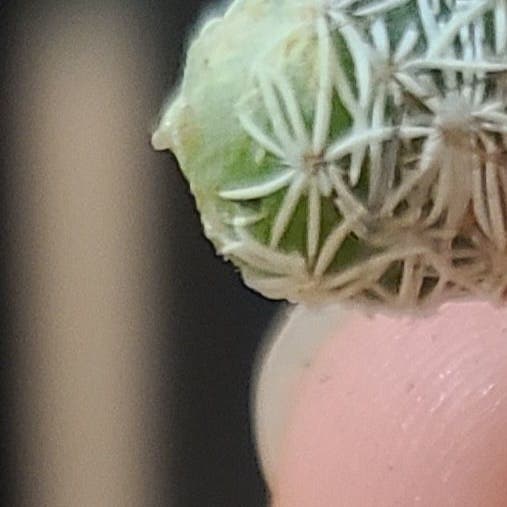
Coryphantha sulcata
By the Greg Editorial Team
Oct 02, 2024•4 min read
This article was created with the help of AI so we can cover more plants for you. May contain errors. See one? Report it here.
Ensure your Pineapple Cactus thrives 🌵 this spring by mastering essential winter care techniques for optimal growth!
- 💧 Water every 4-6 weeks in winter; let soil dry completely for Pineapple Cactus.
- ❄️ Cover outdoors with frost cloth during cold snaps to protect your cactus.
- 🌞 Provide bright, indirect sunlight indoors to prevent weakened growth this winter.
Winter Care Requirements
🌊 Adjusting watering schedules during winter
During winter, it's crucial to adjust your watering schedule for your Pineapple Cactus. Aim to water once every 4-6 weeks, allowing the soil to dry out completely between waterings.
Watch for signs of overwatering, such as yellowing or mushy stems. These indicators can signal that your cactus is not getting the care it needs during the colder months.
🌱 Fertilizing needs in the dormant period
When it comes to fertilizing, the general rule is to avoid it during the cactus's dormant period. Pineapple Cactus doesn’t require additional nutrients while it’s resting.
You can resume fertilization in early spring as growth begins again. This timing helps ensure your cactus gets the nutrients it needs to thrive.
☀️ Importance of light exposure in winter
Light exposure is vital for your Pineapple Cactus during winter. Ideally, it should receive bright, indirect sunlight to stay healthy.
Insufficient light can lead to issues like etiolation and weakened growth. To combat this, place your cactus near south or west-facing windows for optimal light conditions.
By following these winter care requirements, you’ll set your Pineapple Cactus up for a successful growing season ahead. Next, let’s explore effective frost protection strategies to keep your cactus safe from the cold.
Frost Protection Strategies
🌨️ Methods for Protecting from Frost
Protecting your pineapple cactus from frost is crucial for its survival. Here are effective strategies for both outdoor and indoor settings.
Outdoor Protection Techniques
During cold snaps, covering your cactus with frost cloth or burlap can provide essential insulation. Additionally, using mulch around the base helps to insulate the roots, keeping them warm.
Indoor Protection Methods
Indoors, it's important to keep your cactus away from drafty windows and doors. Maintaining stable indoor temperatures above 50°F (10°C) will help ensure your cactus remains healthy throughout the winter.
❄️ Signs of Frost Damage and Recovery
Even with precautions, frost damage can occur. Recognizing the signs early can make a significant difference in recovery.
Symptoms of Frost Damage
Look for discoloration, mushy spots, or a shriveled appearance on your cactus. These are clear indicators that your plant has been affected by cold temperatures.
Recovery Strategies
If you notice frost damage, start by trimming away any severely affected areas. Adjust your care by increasing warmth and reducing watering to encourage recovery, allowing your cactus to bounce back.
With these frost protection strategies in place, your pineapple cactus will be better equipped to handle the winter chill. Next, let’s explore how to provide the best indoor winter care for your cactus.
Indoor Winter Care
Transitioning indoors 🌵
Timing is crucial when moving your pineapple cactus indoors. Aim to transition it before the first frost hits.
To help your cactus acclimatize, follow these steps:
- Gradually move the cactus indoors over a week.
- Monitor for signs of stress during the transition.
Ideal indoor conditions for winter ☀️
Creating the right indoor environment is essential for your cactus's health. Maintain a temperature range between 60°F to 70°F (15°C to 21°C).
Humidity plays a significant role as well. Low humidity is preferable, so avoid overly humid environments that can lead to issues.
Light requirements are also vital. Ensure your cactus gets adequate light exposure, and consider using grow lights if natural light is insufficient.
By following these guidelines, your pineapple cactus will thrive indoors during the winter months. This preparation sets the stage for a successful spring awakening.
Spring Preparation and Recovery
🌱 Signs of spring awakening
As winter fades, your pineapple cactus will show signs of life. Look for new growth tips and a brightening of color, typically occurring from late March to early April.
🛠️ Steps for recovering from winter damage
Before diving into spring care, assess your cactus's overall health. Check for any signs of rot or severe damage.
- Gradually increase watering as temperatures rise.
- Resume fertilization with a balanced cactus fertilizer to support new growth.
🌼 Preparing for the growing season
Repotting can be crucial if your cactus is root-bound. Early spring is the best time for this, just before active growth kicks in.
Adjust your care routine by increasing watering frequency and light exposure. This will help your cactus thrive as it enters the growing season.
With these steps, your pineapple cactus will be well on its way to a vibrant spring. Next, let’s explore how to ensure your cactus thrives throughout the growing season.
⚠️ Safety First
This content is for general information and may contain errors, omissions, or outdated details. It is not medical, veterinary advice, or an endorsement of therapeutic claims.
Always consult a qualified healthcare professional before using any plant as food, medicine, or supplement.
Never eat any plant (or feed one to pets) without confirming its identity with at least two trusted sources.
If you suspect poisoning, call Poison Control (800) 222-1222, the Pet Poison Helpline (800) 213-6680, or your local emergency service immediately.
Spotted an error? Please report it here.
Winterize your Pineapple Cactus for a thriving spring 🌱 by using Greg's tailored care reminders to keep your cactus healthy and happy through the cold months!