🍍 Is My Pineapple Cactus Getting Too Much Direct Sunlight?
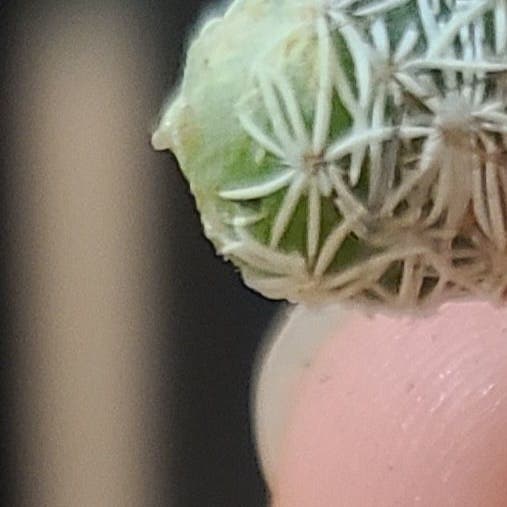
Coryphantha sulcata
By the Greg Editorial Team
Jun 18, 2024•3 min read
This article was created with the help of AI so we can cover more plants for you. May contain errors. See one? Report it here.
Avoid sunburn and bask in the glow of a thriving Pineapple Cactus with these sunlight mastery tips. 🌵☀️
- 🌞 Direct vs. indirect sunlight: Pineapple Cacti need a balance.
- Seasonal care adjustments are crucial for cactus health.
- Morning light is best; avoid intense afternoon sun.
When Sun Kisses Cactus: Direct Sunlight and Your Pineapple Cactus
🌞 What Does Direct Sunlight Mean for Your Pineapple Cactus?
Direct sunlight is the unfiltered spotlight of the sun, while indirect light is its shy cousin, peeking around corners. Your Pineapple Cactus can handle a good amount of direct sun, but it's not a sunbathing competition. Moderation is key, with about 6 hours of direct sunlight being the sweet spot.
Signs Your Cactus is Sunbathing Too Much
If your Pineapple Cactus starts looking like it's been on a tropical vacation without sunscreen, it's time to act. Sunburn shows up as yellowing or browning, and a bleached appearance means an SOS for shade. Relocate your cactus to a less intense spot and watch it return to its vibrant self.

Home Sweet Home: Finding the Right Spot Indoors
⛅️ Window Wisdom: Which Direction is Best?
Window direction is crucial for your Pineapple Cactus's photosynthesis party. East-facing windows offer a gentle morning light buffet, easing your cactus into the day. But if you're aiming for a full-day sun fest, south-facing windows in the Northern Hemisphere, or north-facing in the Southern Hemisphere, are your cactus's best buds. They provide the all-day lounge experience your sun-loving plant craves. West-facing windows? Think of them as the afternoon club—intense and possibly too much for your prickly pal.
🌍 Hemisphere Hints: North or South, Your Cactus Cares!
Your hemisphere isn't just for geography nerds; it's a big deal for your Pineapple Cactus. Southern Hemisphere folks, point your plant north to catch those rays. Up north in the Northern Hemisphere? South-facing windows are your golden ticket. Remember, the sun's path is like a cactus's mood ring, changing with your location on the globe. Get it right, and you'll have a happy, photosynthesizing Pineapple Cactus. Get it wrong, and well, you might be dealing with a prickly situation.

Seasonal Sun Shifts: Adapting to the Dance of Light
🌞 Summer vs. Winter: Sun Intensity and Your Cactus
As the seasons turn, your Pineapple Cactus's sunbathing habits need a tweak. Summer's blaze calls for some shade during peak hours to prevent sunburn. Come winter, it's all about maximizing exposure to the gentler rays to make up for shorter days. Think of it as a strategic game of musical chairs with sunlight.
⏰ Time of Day: When Should Your Cactus Catch Rays?
Morning light is your cactus's best friend. It's like a gentle wake-up call that says, "Rise and shine, but let's not get too crazy." As the day progresses, be wary of the intense afternoon sun. Positioning your Pineapple Cactus to catch the early rays while dodging the midday scorch is the sweet spot. Consider this the happy hour for your spiky companion.

Shielding Your Spiky Pal: Protecting from Too Much Sun
🎨 Creative Shading Techniques
Sheer curtains: sunscreen for your Pineapple Cactus. They cut down harsh sunlight, bathing your plant in a gentle glow. DIY enthusiasts can whip up a shade cloth, especially for those peak sun hours. Remember, it's about softening the sun's impact, not blocking it out completely.
🚚 Relocation, Relocation, Relocation
When your cactus starts looking a bit sun-kissed, it's time to move. Find a spot with bright, indirect light—like a space that catches the morning sun but is shielded during the harsh afternoon. Gradual exposure is key to prevent shock; ease your cactus into its new home to avoid sun damage.
⚠️ Safety First
This content is for general information and may contain errors, omissions, or outdated details. It is not medical, veterinary advice, or an endorsement of therapeutic claims.
Always consult a qualified healthcare professional before using any plant as food, medicine, or supplement.
Never eat any plant (or feed one to pets) without confirming its identity with at least two trusted sources.
If you suspect poisoning, call Poison Control (800) 222-1222, the Pet Poison Helpline (800) 213-6680, or your local emergency service immediately.
Spotted an error? Please report it here.
Keep your Pineapple Cactus perfectly sun-kissed ☀️ by letting Greg's PlantVision measure its sunbathing spot and remind you when it's time for a seasonal shuffle.