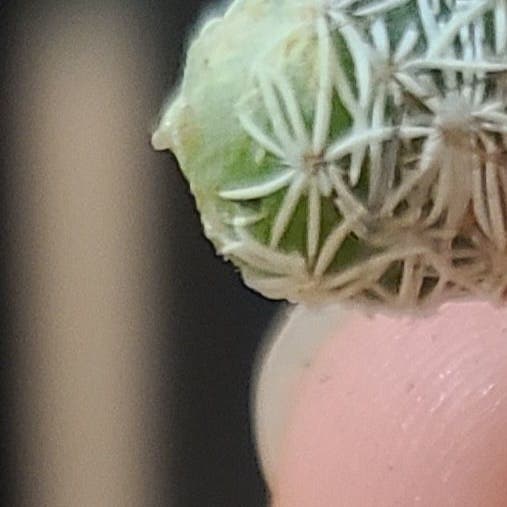
🍍 Why Is My Pineapple Cactus Dropping Leaves?
Coryphantha sulcata
By the Greg Editorial Team
Jun 18, 2024•4 min read
This article was created with the help of AI so we can cover more plants for you. May contain errors. See one? Report it here.
Halt leaf drop and perk up your Pineapple Cactus with these vital care secrets! 🌵✨
- 💧 Overwatering and underwatering both lead to leaf drop; balance is key.
- 🌡️ Maintain 18-27°C day and 10-15°C night temperatures for cactus health.
- 🌞 Bright, indirect sunlight and proper soil/pot ensure a happy cactus.
When Water Works Against You
🌵 Overwatering Overkill
Yellow leaves and a base that's squishy as overripe fruit scream overwatering. Your cactus isn't a fan of wet feet; it's a desert dweller at heart. Cut back on the water and let the soil dry out to a crumbly, desert-like state.
If your pot feels like a swamp, it's time for a soil switcheroo. Go for a mix that's as well-draining as a colander. Move your cactus to a less sunny spot to slow any rot, and hold off on the fertilizer—this isn't a buffet, it's triage.
💧 The Thirsty Cactus Conundrum
A cactus with wrinkles deep enough to store secrets is crying out for hydration. When the soil is as dry as a comedian's wit, it's time to water. But don't drown your cactus in your eagerness to quench its thirst. Water deeply, but only when the top inch of soil feels like a forgotten, dry sandbox.
Monitor your plant's reaction like it's the stock market; adjust your watering strategy to its needs, not your schedule. Remember, a happy cactus is a thirsty one—not a waterlogged victim of overzealous love.

Feeling Hot, Hot, Hot or Cold as Ice
🌡️ The Temperature Tango
Leaf drop in your Pineapple Cactus can be a drama caused by temperature tantrums. It's a sign your plant is either shivering or sweating.
🌬️ Identifying Leaf Drop Due to the Chills or Overheats
If your cactus is dropping leaves like it's in a rush to get naked, it's time to check the thermostat. Brown, crispy tips? Your cactus is too hot. Soft, discolored leaves? Too cold.
🌡️ Keeping Your Cactus Cozy: Ideal Temperature Ranges and Stable Environments
Keep the day warm, between 18°C to 27°C, and let the night cool down to 10°C to 15°C. Avoid placing your cactus near radiators or drafts; these spots are trouble with a capital T.
To dodge a cactus crisis, remember: steady temperatures are better than a rollercoaster ride. If you're dealing with a heatwave, create a shady oasis. During a cold snap, think warm thoughts and move your cactus to a less drafty locale.
Heating mats can be a cactus's best friend on chilly nights, while a fan might save the day when your living room feels like a sauna. And don't underestimate the power of good insulation; sometimes, it's the hero you didn't know you needed.

Let There Be (The Right Amount of) Light
🌞 Sunburn and Shade: Striking a Balance
Your Pineapple Cactus is not a sunbather. It craves that luminous glow but recoils from a scorching embrace. Yellowing or bleached leaves scream 'too much!', while a cactus stretching out like it's reaching for the last cookie indicates it's starved for rays.
Rotate your plant to ensure even exposure; this isn't a tanning bed session. Aim for bright, indirect sunlight—think of it as the plant equivalent of a cozy reading nook, not a seat in the glaring spotlight.
Monitor your cactus for signs of contentment: a healthy green complexion and robust growth. If it starts to look like it's wearing a crispy, sunburnt coat, it's time to shuffle it to a shadier locale.
Remember, the sun's position isn't static—like a good DJ, you need to adjust the lights as the seasons change. Use a light meter app if you're tech-inclined, or just pay attention to your cactus's body language. It's all about finding that sweet spot where your cactus can bask without baking.

The Ground Beneath Its Feet: Soil and Pot Solutions
🌵 Choosing the Right Throne for Your Cactus
Selecting the right pot for your Pineapple Cactus is crucial. Terracotta or clay pots are the MVPs here, thanks to their moisture-wicking superpowers. Drainage holes? Non-negotiable. They're the difference between a happy cactus and a waterlogged mess.
When it comes to soil, think desert vibes. A cactus-specific mix is your best bet, with its fast-draining, gritty texture. It's like creating a mini desert oasis in a pot—where water visits but never overstays its welcome.
🌵 Selecting the Best Pot and Soil Mix to Prevent Future Leaf Loss
Your cactus's pot should be the Goldilocks of homes—not too big, not too small. And for the love of all that's spiky, make sure it has adequate drainage. A soggy cactus is a sad cactus.
The soil mix is the life partner your cactus never knew it needed. Aim for a blend of potting soil, perlite, and sand. This trio is like the ultimate cactus support group, ensuring aeration and preventing root rot. Remember, a cactus in the right soil mix is a cactus set up for success.
⚠️ Safety First
This content is for general information and may contain errors, omissions, or outdated details. It is not medical, veterinary advice, or an endorsement of therapeutic claims.
Always consult a qualified healthcare professional before using any plant as food, medicine, or supplement.
Never eat any plant (or feed one to pets) without confirming its identity with at least two trusted sources.
If you suspect poisoning, call Poison Control (800) 222-1222, the Pet Poison Helpline (800) 213-6680, or your local emergency service immediately.
Spotted an error? Please report it here.
Avoid the prickly problem of leaf drop and ensure your pineapple cactus thrives with Greg's custom care plan 🌵, tailored to your home's unique environment.