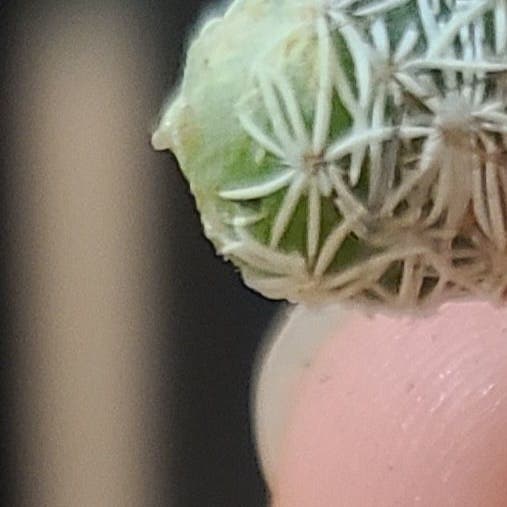
🍍 Pineapple Cactus Leaves
Coryphantha sulcata
By the Greg Editorial Team
Jun 18, 2024•4 min read
This article was created with the help of AI so we can cover more plants for you. May contain errors. See one? Report it here.
Banish black spots 🚫 on your Pineapple Cactus with these proven prevention and treatment tips! 🌵
- Black spots mean distress; they hinder photosynthesis and cactus vigor.
- Overwatering and sunburn are common culprits for these unsightly marks.
- Prevent with dry soil, shade, and good air circulation.
Spotting the Trouble: Recognizing Black Spots
🕵️ Visual cues of black spots
Black spots on your Pineapple Cactus are alarm bells, not just quirky features. They often manifest as irregular patches, sometimes rough or surrounded by a discolored halo. These spots are more than aesthetic nuisances; they're a cry for help from your cactus. Start your search at the base and work upwards, scrutinizing the undersides of leaves and the apex. Consistency is your ally; natural cactus markings are uniform, but black spots are the chaotic intruders.
🚨 How black spots can impact your cactus's health
A cactus with black spots is a cactus in distress. The plant's ability to photosynthesize is compromised, reducing its overall vigor. Ignoring these signs can escalate into a full-blown health crisis. Think of black spots as the plant's version of a fever—a symptom of underlying issues that need immediate attention. Regular checks are like health screenings for your cactus; they're essential for catching problems before they become catastrophes.

The Usual Suspects: Pinpointing the Causes
🍄 Fungal Foes: The Overwatering Connection
Overwatering is the archenemy of cacti. It creates a soggy playground for fungi like Fusarium and Rhizoctonia, which are notorious for causing root rot. These pathogens don't need an engraved invitation; overly moist soil is their golden ticket. Root rot sneaks in, often undetected until the damage is severe. Aboveground, you might notice tan to brown, water-soaked spots on roots, even without a fungal pathogen present.
☀️ Sun Scorch: When Your Cactus Gets Too Much Love from the Sun
Too much sun can lead to sunburn, leaving your cactus with crispy black spots where the rays hit the hardest. It's a classic case of too much love leading to harm. The cactus's equivalent of a sunburnt nose, these spots are a sign that your plant is crying out for some shade.
🦠 Bacterial and Viral Villains: Infections in Disguise
Bacterial and viral infections can masquerade as black spots, too. These are the stealth agents of the plant world, often going unnoticed until your cactus's health is in serious jeopardy. Sticky residues and tiny webbing could indicate pests, which can lead to secondary infections. It's a domino effect—one problem leading to another, and before you know it, you're dealing with a full-blown plant health crisis.

The Fix Is In: Treating Black Spots
💧 Drying Out: Adjusting Water Habits
Overwatering is the fast track to fungal fiestas on your Pineapple Cactus. Cut back on the H2O and let the soil go from wet to Sahara before you water again. Watering at the base during the early morning is like giving your cactus a stealth hydration boost without the fungal fanfare.
🌥️ Shady Solutions: Managing Sun Exposure
Your cactus loves the sun, but too much can lead to a sunburnt fiasco. Shade is your plant's sunscreen. Aim for a spot with bright, indirect light or a few hours of morning sun. Rotate your cactus occasionally to avoid the one-sided tan.
🦠 Battling Bugs and Bacteria: When to Seek Plant Medicine
If your cactus is under siege by bacterial or viral villains, it's time to bring out the big guns. Remove infected parts with sterilized precision, increase air circulation like you're airing out a stuffy room, and apply fungicides only if you must—think of it as antibiotics for your plant. If you're out of your depth, don't play hero—seek expert advice.

Keeping Spots at Bay: Prevention Tactics
💧 Water Wisdom: Best Practices for Hydration
Watering your Pineapple Cactus should be a targeted mission, not a haphazard sprinkle. Aim for the soil, not the leaves, to keep them as dry as a humorist's wit. Morning is your ally here, allowing any stray droplets to evaporate under the day's watchful eye.
🌞 Sun Smarts: Finding the Sweet Spot for Light
Your cactus craves sunlight, but like a good tan, it's all about moderation. Too much and you're in sunburn territory; too little and you're stifling its mojo. Find that Goldilocks zone of bright, indirect light where your cactus can bask without baking.
💨 Clean Living: Air Circulation and Plant Hygiene
Airflow is the unsung hero in your cactus's life, keeping the atmosphere around it as fresh as a stand-up routine. Prune with purpose to promote circulation, and remember, cleanliness is next to cacti health. Keep your tools and pots as pristine as your intentions, and you'll be one step ahead in the fight against black spots.
⚠️ Safety First
This content is for general information and may contain errors, omissions, or outdated details. It is not medical, veterinary advice, or an endorsement of therapeutic claims.
Always consult a qualified healthcare professional before using any plant as food, medicine, or supplement.
Never eat any plant (or feed one to pets) without confirming its identity with at least two trusted sources.
If you suspect poisoning, call Poison Control (800) 222-1222, the Pet Poison Helpline (800) 213-6680, or your local emergency service immediately.
Spotted an error? Please report it here.
Keep your Pineapple Cactus thriving 🌵 with Greg's personalized care reminders, ensuring you strike the perfect balance of sun and water to prevent black spots.