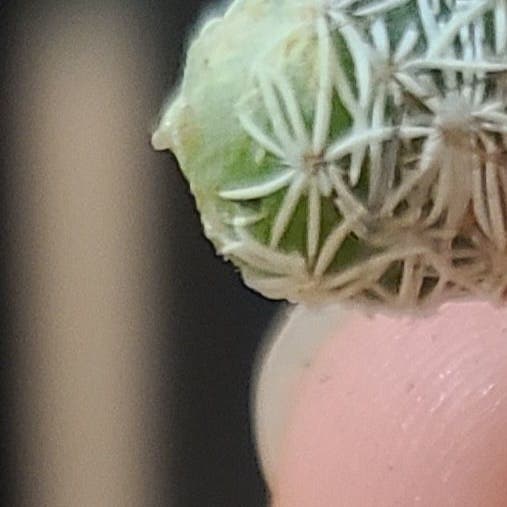
🍍 Why Are There Brown Spots on My Pineapple Cactus?
Coryphantha sulcata
By the Greg Editorial Team
Jun 18, 2024•3 min read
This article was created with the help of AI so we can cover more plants for you. May contain errors. See one? Report it here.
Banish brown spots on your Pineapple Cactus 🌵 with expert tips for a healthy, vibrant plant!
- 🌞 Sunburn can cause brown spots; move to indirect sunlight to heal.
- 💧 Overwatering leads to mushy spots; let soil dry before watering again.
- 🛡️ Fungicides and insecticidal soaps treat infections; ensure cleanliness and airflow.
Spotting the Culprits: Common Causes of Brown Spots
🌞 Too Much Sun, Too Little Shade
Sunburn on your Pineapple Cactus isn't a badge of honor; it's a distress signal. Look for crispy edges and bleached areas, which are the plant's equivalent of waving a white flag. If your cactus is looking more toasted than a marshmallow at a campfire, it's time to dial down the sun exposure.
💧 When Water Becomes the Enemy
Overwatering turns your cactus's life into a soggy mess. Brown, mushy spots are the aftermath of this hydration overload. Check the soil – if it's wetter than a rainforest floor, hold off on the waterworks. The right rhythm? Let the soil go bone-dry between drinks.
👾 Invaders on the Leaves
Fungal and bacterial infections are like uninvited guests at a party, leaving brown lesions as their calling card. If you spot these party crashers, it's time to break out the fungicides. Keep your cactus's living area breezy to discourage these pathogens from settling in.

First Aid for Your Cactus: Treating Brown Spots
🌞 Dialing Back the Sun and Heat
If your Pineapple Cactus has sunburn spots, it's time to play it cool. Immediately move it to a spot with bright, but indirect sunlight. Think of it as putting on sunglasses; you're filtering out the harsh rays.
💧 Rescuing Overwatered Roots
Overwatering can turn your cactus's roots into a swampy mess. Stop watering and let the soil go Sahara before you even think about giving it another drink. If the pot feels like a waterlogged boot, consider repotting with fresh, dry soil to give those roots a new lease on life.
🐜 Battling the Bugs and Fungus
When bugs and fungus crash the party, it's time to show them the door. Fungicide or insecticidal soap should be your go-to, but remember to read the label like it's the last piece of chocolate in the box – with focus and intention. Keep your tools cleaner than a whistle to avoid spreading the funk.

Keeping the Spots at Bay: Prevention Tactics
🌵 The Perfect Spot for Your Cactus
Location is everything for your Pineapple Cactus. It craves morning light but needs protection from the intense afternoon sun. Think of it like a beachgoer who loves the sun but respects the power of SPF 50. Place your cactus where it gets gentle morning rays and shade in the heat of the day.
💧 Watering Wisdom
Overwatering is the silent killer of cacti. Water your Pineapple Cactus at the base, avoiding the leaves, and only when the soil feels like a dry desert. This isn't a tropical rainforest; it's more of a 'less is more' watering philosophy. Stick your finger in the soil; if it's dry a couple of inches down, it's time to water. No guesswork, just simple checks.
🧼 Cleanliness and Care
Routine checks for your cactus should be as regular as your morning coffee ritual. Be on the lookout for pests and show them the door with insecticidal soap or neem oil. Keep it clean, folks – it's like hygiene for your plant. And remember, airflow is your friend; it helps prevent moisture buildup and those dreaded fungal invaders.

⚠️ Safety First
This content is for general information and may contain errors, omissions, or outdated details. It is not medical, veterinary advice, or an endorsement of therapeutic claims.
Always consult a qualified healthcare professional before using any plant as food, medicine, or supplement.
Never eat any plant (or feed one to pets) without confirming its identity with at least two trusted sources.
If you suspect poisoning, call Poison Control (800) 222-1222, the Pet Poison Helpline (800) 213-6680, or your local emergency service immediately.
Spotted an error? Please report it here.
Banish those brown spots by using Greg to balance 🌵 your Pineapple Cactus's sunbathing and sips, for a happier, healthier plant life.