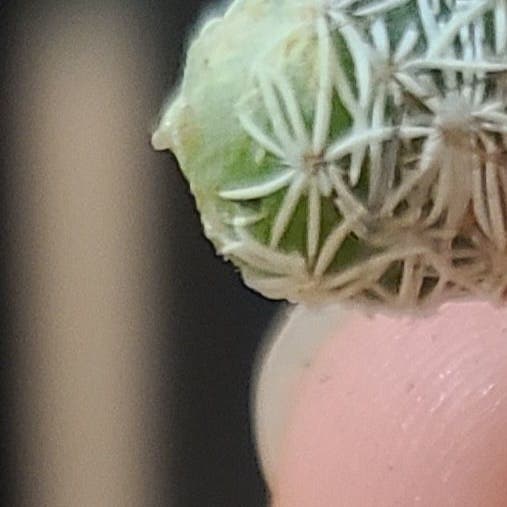
🍍 Top 4 Tips to Prevent Your Pineapple Cactus Wilting
Coryphantha sulcata
By the Greg Editorial Team
Oct 02, 2024•6 min read
This article was created with the help of AI so we can cover more plants for you. May contain errors. See one? Report it here.
Transform your wilting pineapple cactus 🌵 into a thriving beauty with these essential care tips!
- 💧 Wilting in Pineapple Cactus is caused by improper watering—either too much or too little.
- 🌡️ Heat stress can worsen wilting; provide shade during peak sunlight hours.
- 🌱 Inspect leaves and soil regularly to diagnose issues and maintain cactus health.
Causes of Wilting in Pineapple Cactus
🌊 Common Causes of Wilting Leaves
Wilting in Pineapple Cactus often stems from water stress. Underwatering is a common issue, with signs like shriveled leaves and a noticeable lack of turgor.
Conversely, overwatering can lead to mushy leaves and root rot. It's crucial to find a balance in your watering routine to keep your cactus healthy.
☀️ Heat Stress
Heat stress is another significant factor. Excessive heat can cause leaves to become limp or discolored, signaling distress.
Environmental factors play a role too; direct sunlight during peak hours can exacerbate wilting. Be mindful of your cactus's location to prevent this issue.
🦠 Uncommon Causes: Pathogenic Wilt
While rare, pathogenic wilt can affect Pineapple Cactus. This type of wilting occurs suddenly, often without prior signs of water stress.
Before jumping to conclusions about disease, it's essential to rule out common causes first. Understanding these factors can help you address the issue effectively.
By being aware of these causes, you can take proactive steps to keep your Pineapple Cactus thriving. Next, let’s explore how to diagnose wilting in your cactus effectively.
Diagnosing Wilting in Pineapple Cactus
🕵️♂️ Step-by-Step Guide to Diagnose Wilting
Assess the watering schedule: Start by checking if your cactus has been underwatered or overwatered. This is crucial, as both extremes can lead to wilting.
Examine environmental conditions: Evaluate the temperature and light exposure. Too much heat or direct sunlight can stress your cactus.
Inspect the leaves: Look for signs of discoloration, mushiness, or shriveling. These symptoms can indicate the severity of the issue.
Check the soil: Determine moisture levels and drainage quality. Healthy soil should be well-draining and not overly saturated.
🔍 Signs to Look For in Wilting Leaves
Color changes: Watch for yellowing or browning at the tips of the leaves. These changes often signal distress.
Texture changes: Feel for softness or shriveling of leaves. A healthy cactus should have firm, plump leaves.
Root inspection: Check for signs of rot or healthy roots. Healthy roots are typically white and firm, while rotting roots may appear brown and mushy.
By following these diagnostic steps, you can pinpoint the cause of wilting in your pineapple cactus. This understanding will guide you in taking the necessary corrective actions to revive your plant.
Next, we'll explore effective solutions to address the wilting issues you've identified.
Solutions for Wilting in Pineapple Cactus
🌊 Addressing Water Stress
Water stress is a primary culprit behind wilting in your pineapple cactus.
For underwatering, gradually increase your watering frequency to help revive those shriveled leaves.
Using a moisture meter can be a game-changer, allowing you to accurately gauge soil dryness before watering.
On the flip side, if overwatering is the issue, let the soil dry out completely before you water again.
If you suspect root rot, it might be time to repot your cactus in well-draining soil to give it a fighting chance.
☀️ Managing Heat Stress
Heat stress can also lead to wilting, especially during those scorching summer months.
Consider relocating your cactus to a shadier spot during peak sunlight hours to protect it from excessive heat.
Using shade cloth or other barriers can provide additional protection from direct sun exposure, ensuring your cactus stays cool and healthy.
🦠 Solutions for Disease-Related Wilting
If you suspect disease-related wilting, it’s crucial to act quickly.
Start by removing any affected leaves to prevent the spread of potential pathogens.
If necessary, treat your cactus with appropriate fungicides to tackle any underlying issues effectively.
By addressing these factors, you can significantly improve the health of your pineapple cactus and prevent future wilting.
Next, let’s explore preventive measures to keep your cactus thriving year-round.
Preventive Measures for Pineapple Cactus
Best Practices to Minimize Wilting Risk 🌵
To keep your pineapple cactus thriving, establish a consistent watering schedule that adapts to seasonal changes. Regularly monitoring environmental conditions can help you avoid sudden fluctuations that might stress your plant.
Environmental Adjustments for Optimal Growth 🌿
Proper drainage is crucial; ensure your pots have adequate holes to prevent waterlogging. Additionally, using a cactus-specific soil mix will help maintain the ideal moisture levels, promoting healthy growth and reducing the risk of wilting.
By implementing these preventive measures, you can create a nurturing environment for your pineapple cactus, setting the stage for vibrant, resilient plants. Next, let’s explore how to revive a wilted pineapple cactus effectively.
Reviving a Wilted Pineapple Cactus
🌊 Techniques for Bottom Watering
Bottom watering is a gentle way to revive your wilted pineapple cactus. Simply fill a tray with water and place the pot in it for about 30 minutes, allowing the soil to absorb moisture from the bottom.
🌍 Relocating the Cactus Temporarily
Sometimes, a change of scenery is all your cactus needs. Move it to a spot with indirect light and stable temperatures to help it recover from stress.
✂️ Pruning Damaged Leaves
If you notice any dead or severely wilted leaves, it's time for a little pruning. Use clean, sharp scissors to trim away the damaged parts, which can encourage new growth and improve the plant's overall health.
Reviving a wilted pineapple cactus can be a rewarding experience. With the right techniques, you can help your cactus bounce back and thrive!
When to Seek Help
Signs That Professional Help Is Needed 🌵
If your pineapple cactus continues to wilt despite your best efforts, it may be time to call in the experts. Persistent wilting can indicate deeper issues that require professional intervention.
Look out for severe root rot or disease symptoms that you can't manage at home. These signs often manifest as a foul smell from the soil or blackened roots, which can be challenging to treat without specialized knowledge.
Resources for Assistance 🤝
Engaging with local plant experts can provide tailored advice specific to your cactus's needs. They can offer insights that you might not find online, helping you navigate complex issues.
Additionally, online communities like Greg are fantastic resources for support and shared experiences. Connecting with fellow cactus enthusiasts can provide encouragement and practical tips to revive your plant.
In the world of plant care, sometimes a little help goes a long way. Don't hesitate to reach out when you need it!
⚠️ Safety First
This content is for general information and may contain errors, omissions, or outdated details. It is not medical, veterinary advice, or an endorsement of therapeutic claims.
Always consult a qualified healthcare professional before using any plant as food, medicine, or supplement.
Never eat any plant (or feed one to pets) without confirming its identity with at least two trusted sources.
If you suspect poisoning, call Poison Control (800) 222-1222, the Pet Poison Helpline (800) 213-6680, or your local emergency service immediately.
Spotted an error? Please report it here.
Keep your Pineapple Cactus thriving and plump 🌵 by using Greg's tailored watering reminders and community insights to master its care!