🍍 8 Easy Ways to Pollinate Pineapple Cactus
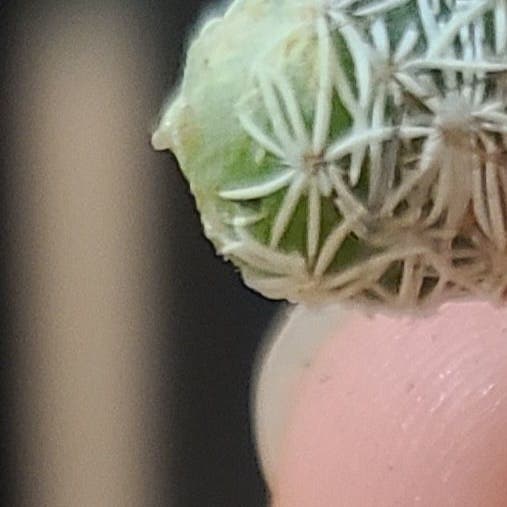
Coryphantha sulcata
By the Greg Editorial Team
Oct 02, 2024•5 min read
This article was created with the help of AI so we can cover more plants for you. May contain errors. See one? Report it here.
Master pineapple cactus pollination 🌵 to enhance your garden's yield and support vital pollinators!
- 🌵 Pineapple cactus can self-pollinate, ensuring fruit production without external help.
- 🐝 Attract pollinators like bees and butterflies to enhance genetic diversity and resilience.
- 🌼 Create a pollinator-friendly garden to boost pollination success and ecosystem health.
Self-Pollination vs. Cross-Pollination
Self-Pollination 🌱
Pineapple Cactus has a remarkable ability to self-pollinate. This means it can produce fruit and seeds without needing help from external pollinators.
Self-pollination offers significant advantages. It ensures reproduction even when pollinators are absent and can lead to quicker fruit production, making it a reliable option for gardeners.
Cross-Pollination 🐝
On the other hand, cross-pollination brings its own set of benefits. It enhances genetic diversity, which can result in healthier and more resilient plants.
Several key pollinator species play a vital role in this process. Bees are attracted by bright colors and nectar, while butterflies are drawn to the scent and visual appeal. Hummingbirds, with their love for vibrant colors and tubular flowers, also contribute significantly to cross-pollination efforts.
Understanding these two methods of pollination is essential for anyone looking to cultivate Pineapple Cactus successfully. The next section will delve into the fascinating structure of the flower itself and how it aids in both self and cross-pollination.
Flower Structure
Description of Flower Characteristics 🌸
Pineapple cactus flowers are truly a sight to behold. They feature large, funnel-shaped blooms that often showcase vibrant hues, typically in shades of pink or white.
The arrangement of petals, sepals, stamens, and pistils is meticulously designed to attract specific pollinators. This strategic layout ensures that the right visitors come to the party.
Role in Pollination 🐝
The structure of these flowers plays a crucial role in self-pollination. The close proximity of stamens to pistils allows pollen to easily transfer, ensuring successful reproduction.
For cross-pollination, the bright colors and enticing scents of the flowers work like a magnet for pollinator species. This allure is vital for attracting bees, butterflies, and hummingbirds, enhancing the plant's reproductive success.
Understanding these characteristics not only highlights the beauty of the pineapple cactus but also sets the stage for the intricate processes of pollination that follow.
Pollination Process
🌱 Mechanisms of Self-Pollination
Self-pollination in pineapple cactus is a fascinating process. Pollen from the stamens falls directly onto the pistil, allowing the plant to reproduce without external help.
Certain conditions enhance this process, such as humidity and temperature. Optimal levels can significantly increase the chances of successful self-pollination.
🐝 Natural Pollination
Natural pollination relies on both wind and insect activity. These elements facilitate the movement of pollen, ensuring that plants can reproduce effectively.
Environmental factors like temperature and humidity play crucial roles in this transfer. A favorable climate can make all the difference in successful pollination.
🌼 Importance of Pollination
Pollination is vital for fruit and seed production in pineapple cacti. It directly influences the quantity and quality of the yield.
Moreover, pollination contributes to genetic diversity in plants. Cross-pollination leads to varied offspring, enhancing resilience and adaptability in changing environments.
Understanding these processes not only helps in cultivating healthier plants but also fosters a deeper appreciation for the intricate relationships in nature. Next, we’ll explore how to hand-pollinate your pineapple cactus for even better results.
Supporting Pollinators
🌼 Creating a Pollinator-Friendly Environment
Enhancing your garden for pollinators is a rewarding endeavor. Start by planting native flowers that bloom at different times throughout the year to provide a continuous food source.
Additionally, consider providing water sources, like shallow dishes filled with pebbles, to help thirsty pollinators. Shelter is equally important; think about adding small brush piles or native plants that offer refuge.
🌱 Companion Plants
Companion planting can significantly boost pollinator activity. Marigolds are a fantastic choice; their bright colors attract bees and butterflies, making them a lively addition to your garden.
Lavender is another excellent option. Its delightful scent lures various pollinator species, ensuring your garden buzzes with life. By incorporating these plants, you create a vibrant ecosystem that supports pollinators and enhances your pineapple cactus's pollination success.
As you cultivate this pollinator-friendly environment, remember that every small effort counts. Your garden can become a sanctuary for these essential creatures, contributing to a healthier ecosystem overall.
Pollination Challenges
Common Obstacles 🌪️
Pollination can be tricky for pineapple cacti due to environmental factors. Extreme temperatures and low humidity often hinder the delicate process of pollen transfer.
Additionally, the decline of pollinator species, largely due to habitat loss, poses a significant challenge. Without these essential creatures, the chances of successful pollination diminish.
Solutions for Overcoming Challenges 🌱
Fortunately, there are effective strategies to improve pollination success. Using shade cloth can help moderate temperature extremes, creating a more favorable environment for your plants.
Planting diverse flora is another great way to attract a variety of pollinators. By incorporating native flowers that bloom at different times, you can create a vibrant ecosystem that supports these vital species.
Monitoring local pollinator populations is crucial, too. By adapting your care practices based on their needs, you can foster a thriving garden that benefits both your pineapple cactus and the pollinators that help it flourish.
With these strategies in place, you can overcome common obstacles and ensure your pineapple cactus thrives. Next, let’s explore how to create a pollinator-friendly environment that supports these essential creatures.
⚠️ Safety First
This content is for general information and may contain errors, omissions, or outdated details. It is not medical, veterinary advice, or an endorsement of therapeutic claims.
Always consult a qualified healthcare professional before using any plant as food, medicine, or supplement.
Never eat any plant (or feed one to pets) without confirming its identity with at least two trusted sources.
If you suspect poisoning, call Poison Control (800) 222-1222, the Pet Poison Helpline (800) 213-6680, or your local emergency service immediately.
Spotted an error? Please report it here.
Boost your pineapple cactus's health and fruit production by creating a pollinator-friendly garden 🌼, and let Greg guide you with custom care tips to ensure your plant thrives!