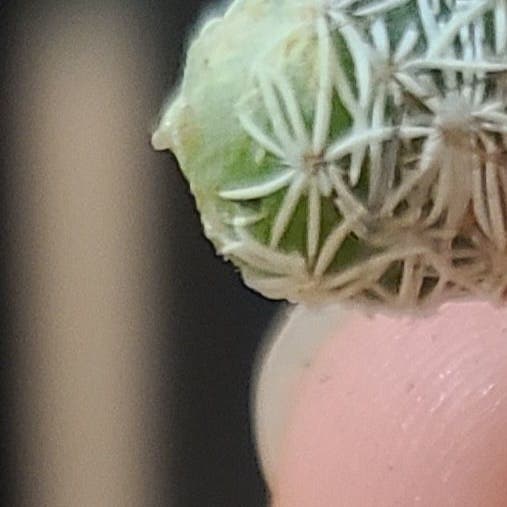
🍍 3 Factors for Optimal Pineapple Cactus Growth
Coryphantha sulcata
By the Greg Editorial Team
Oct 02, 2024•6 min read
This article was created with the help of AI so we can cover more plants for you. May contain errors. See one? Report it here.
Cultivate a vibrant pineapple cactus 🌵 with expert tips on optimal care and growth conditions for success!
- 🌞 Pineapple cacti need 6-8 hours of sunlight daily for vibrant growth.
- 🌡️ Maintain temperatures between 20°C to 30°C for optimal cactus health.
- 💧 Water every 2-3 weeks, ensuring soil dries out completely between waterings.
Optimal Growing Conditions
Choosing the Right Location 🌍
When it comes to growing pineapple cacti, location is key. Indoor settings offer controlled environments, while outdoor spaces provide natural sunlight and airflow.
Container gardening is a fantastic option, allowing you to move your cactus as needed. This mobility gives you control over light and temperature, ensuring optimal growth conditions.
Light Requirements ☀️
Pineapple cacti thrive in full sun, requiring 6 to 8 hours of direct sunlight daily. This exposure promotes healthy growth and vibrant colors.
If your cactus shows signs of etiolation or leggy growth, it’s a clear indicator of insufficient light. Adjusting its position can quickly remedy this issue.
Temperature and Humidity Preferences 🌡️
The ideal temperature range for pineapple cacti is between 20°C to 30°C (68°F to 86°F). Keeping your cactus within this range will support its growth and overall health.
Low humidity is preferred, as high humidity can lead to issues like rot. Monitoring your environment is essential for maintaining the right conditions for your cactus to flourish.
With the right location, light, and temperature, your pineapple cactus will be well on its way to thriving. Next, let’s dive into soil preparation and planting to set the stage for success.
Soil Preparation and Planting
🌱 Best Soil Mix
For optimal pineapple cactus growth, the right soil mix is crucial. Aim for a blend of 50% potting soil and 50% coarse sand or perlite to ensure excellent drainage.
Well-draining soil is essential to prevent root rot, a common issue that can devastate your cactus. This mix allows excess water to escape while retaining just enough moisture for healthy growth.
🌞 Preparing the Planting Area
When planting outdoors, choose a sunny spot with good drainage. This ensures your cactus receives the light it craves while avoiding waterlogged roots.
For container gardening, select a pot that’s appropriately sized with adequate drainage holes. This gives your cactus the space it needs to thrive while preventing water accumulation.
🛠️ Step-by-Step Planting Instructions
- Fill the pot with your soil mix, leaving some space at the top.
- Create a small hole in the center for the cactus root ball.
- Place the cactus in the hole and gently pack soil around it.
- Water lightly to settle the soil, ensuring the roots are well-supported.
Following these steps will set your pineapple cactus on the path to vibrant growth. With the right soil and careful planting, you're well on your way to cultivating a thriving plant.
Next, let’s dive into the essential aspects of watering and fertilizing your cactus for continued health and vitality.
Watering and Fertilizing
💧 Watering Frequency and Techniques
Pineapple cacti thrive on a consistent watering schedule. Aim to water every 2-3 weeks during the growing season, ensuring the soil dries out completely between waterings.
The "soak and dry" method works wonders. Water thoroughly until it drains from the bottom, then resist the urge to water again until the soil is completely dry.
⚠️ Signs of Overwatering and Underwatering
Overwatering can lead to serious issues. Look for yellowing, mushy stems, or even root rot as red flags that your cactus is getting too much moisture.
On the flip side, underwatering shows up as wrinkled skin and stunted growth. If your cactus looks sad, it might be time to adjust your watering routine.
🌱 Fertilizing Schedule and Types of Fertilizers
Fertilizing is essential for vibrant growth. During the growing season, a monthly feeding will keep your pineapple cactus happy and healthy.
Opt for a balanced cactus fertilizer with an NPK ratio of 10-10-10. This will provide the nutrients your cactus craves without overwhelming it.
With proper watering and fertilizing, your pineapple cactus will flourish. Next, let’s explore how to prune and maintain your cactus for optimal growth.
Pruning and Maintenance
When and How to Prune 🌿
The best time to prune your pineapple cactus is late winter or early spring. This timing allows the plant to recover and thrive as it enters its growing season.
Pruning techniques include removing any dead or damaged growth and shaping the plant for a more appealing look. Always use clean, sharp tools to prevent infection.
Ongoing Care Routine for Optimal Growth 🔍
Regular inspections are crucial for catching pests and diseases early. Keep an eye out for any unusual signs, as early detection can save your cactus.
Adjust your watering and fertilizing routine based on seasonal changes. This flexibility helps ensure your cactus gets what it needs throughout the year.
Seasonal Care Considerations ❄️
In winter, protect your cactus from frost by bringing it indoors or covering it. During this time, reduce watering frequency to prevent root rot.
Summer care requires increased watering and vigilant monitoring for pests. The warmer weather can bring unwanted visitors, so stay proactive to keep your cactus healthy.
With these pruning and maintenance tips, your pineapple cactus will flourish. Next, let’s dive into common challenges and solutions to keep your plant thriving.
Common Challenges and Solutions
🐜 Identifying and Managing Pests
Caring for pineapple cacti can sometimes feel like a battle against pests. Understanding common cactus pests is crucial for maintaining healthy plants.
Common Cactus Pests
Mealybugs are a frequent foe. These tiny, white, cotton-like insects can cause significant damage by sucking sap from your cactus. Look for signs like sticky residue or a white, fuzzy appearance. Control methods include insecticidal soap or neem oil.
Spider mites are another concern. They thrive in dry conditions and can cause yellowing leaves and webbing. If you notice these signs, increase humidity and treat with miticides or insecticidal soap.
🦠 Common Diseases and Prevention Methods
Preventing diseases is just as important as managing pests.
Root rot is a common issue, often caused by overwatering. Symptoms include mushy stems and a foul smell. To prevent this, ensure your cactus is in well-draining soil and only water when the soil is completely dry.
Fungal infections can also plague your cactus. Look for dark spots or a powdery substance on the surface. To combat this, improve air circulation and avoid overhead watering.
🧐 Troubleshooting Growth Issues
Even with the best care, growth issues can arise.
Etiolation
Etiolation occurs when your cactus stretches toward light, resulting in long, leggy growth. This usually indicates insufficient light. Remedy this by moving your cactus to a brighter location or supplementing with grow lights.
Discoloration
Discoloration can signal nutrient deficiencies or environmental stress. Yellowing may indicate overwatering, while browning could suggest underwatering. Adjust your watering routine and consider fertilizing to restore your cactus's vibrant color.
By being proactive about pests and diseases, and by troubleshooting growth issues promptly, you can ensure your pineapple cactus thrives. Next, let’s explore the essential aspects of pruning and maintenance to keep your cactus in top shape.
⚠️ Safety First
This content is for general information and may contain errors, omissions, or outdated details. It is not medical, veterinary advice, or an endorsement of therapeutic claims.
Always consult a qualified healthcare professional before using any plant as food, medicine, or supplement.
Never eat any plant (or feed one to pets) without confirming its identity with at least two trusted sources.
If you suspect poisoning, call Poison Control (800) 222-1222, the Pet Poison Helpline (800) 213-6680, or your local emergency service immediately.
Spotted an error? Please report it here.
For a thriving pineapple cactus 🌵, focus on location, sunlight, and temperature, and let Greg provide you with personalized care reminders to keep your plant healthy and vibrant!