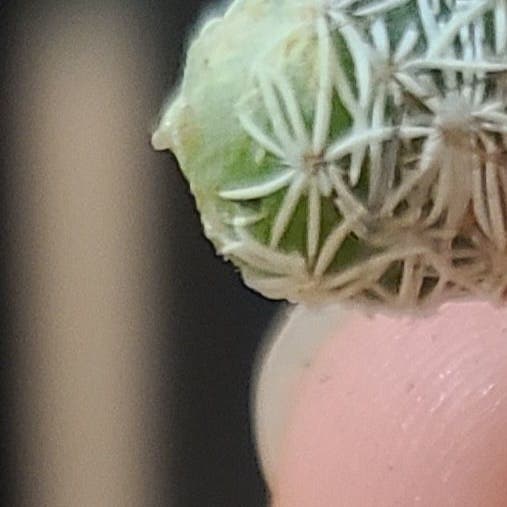
🍍 Why Are My Pineapple Cactus Leaves Droopy?
Coryphantha sulcata
By the Greg Editorial Team
Jun 18, 2024•5 min read
This article was created with the help of AI so we can cover more plants for you. May contain errors. See one? Report it here.
Discover how to perk up your Pineapple Cactus and prevent droopy despair with the right care! 🌵💧
- Droopy leaves signal distress, like over/underwatering, temperature issues, or pests.
- 🌵 Adjust watering and lighting to mimic the cactus's natural habitat.
- Patience is key for recovery; monitor for firmer leaves and new growth.
Spotting the Signs: Is Your Pineapple Cactus Unhappy?
🚩 Visual Cues: Droopy Leaves and Beyond
Droopy leaves on a Pineapple Cactus are like red flags in a sea of green – they're a clear sign that your plant is in distress. But don't stop at sagging foliage; yellowing leaves, stunted growth, and a general lack of vitality are also SOS signals from your succulent.
👐 Touch and Tell: The Feel of the Leaves
Get hands-on with your cactus. Leaves should be firm and resilient, not soft or mushy. If they squish under your fingers, it's a sign of overwatering and potential root rot. Conversely, leaves that feel crispy or brittle are crying out for hydration.
🌱 The Root of the Problem
Don't shy away from a little dirt. Checking the soil moisture can give you insights into watering issues. Soil should not be bone-dry or waterlogged. Musty smells or visible mold are indicators that your cactus's home needs a health check.
🐜 Pests and Diseases: Uninvited Guests
Keep an eye out for pests or diseases that can cause yellowing or spotting on leaves. Early detection is key, so inspect your cactus regularly for any unusual symptoms. If you spot trouble, isolate your plant and treat it promptly.
🔄 Consistency is Key
Regular monitoring allows you to catch problems early and adjust care before issues become severe. A proactive approach can save you from the heartache of a droopy, distressed Pineapple Cactus.

Thirsty or Drowning? Watering Woes Unraveled
🌵 Too Much Love: The Perils of Overwatering
Overzealous watering turns your Pineapple Cactus into a soggy mess. Yellow leaves and a base that feels like a squishy peach scream "too much!" Ensure your potting mix is airy and that excess water can escape. Remember, a cactus's love for water is as limited as a cat's love for baths.
🏜️ Parched Plants: How Underwatering Leads to Limp Leaves
A Pineapple Cactus lighter than your wallet on payday is a sign of thirst. Droopy leaves are its way of waving a white flag for hydration. Start with a thorough watering, letting excess drain away. Then, establish a routine that's as regular as your morning coffee. If the top inch of soil is dry, it's time to party at the watering can.
🎯 Finding the Sweet Spot: Balancing Your Cactus's Watering Needs
It's a delicate dance to keep your cactus happy. Aim for soil moisture that's like a damp sponge, not a drenched towel. If the soil repels water, consider a terracotta pot—it's the unsung hero that wicks away moisture. Monitor closely after adjusting your watering habits, and your cactus will soon stand tall and perky once again.

Climate Culprits: Temperature and Light Troubles
❄️ Chilly Reception: The Impact of Cold Snaps on Your Cactus
Cold snaps can turn your cactus's world upside down. If your cactus is looking more deflated than your ambitions on a Monday morning, it's probably feeling the chill. Insulate the pot or move it to a warmer spot to avoid the cold shoulder.
🌞 Sunburned or Sun-starved: Ensuring Just the Right Amount of Light
Your Pineapple Cactus is as picky about its tan as a Hollywood starlet. Too much sun leads to a sunburn, while too little makes it reach for the light like a kid for a cookie jar. Aim for bright, indirect light to keep it looking its best.
Creating a Cozy Cactus Haven: Tips for Ideal Temperature and Light Conditions
To prevent your cactus from staging a droop-fest, mimic its natural habitat. Use sheer curtains to filter harsh sunlight, and if you're using artificial light, get the intensity and duration just right. Keep temperatures steady – think of your cactus as a guest at a dinner party; you wouldn't want it shivering or sweating through the meal.
The Recovery Room: Nursing Your Cactus Back to Health
💧 Watering Rehab: Adjusting Your Routine for Recovery
After diagnosing your Pineapple Cactus with droopy leaves, it's time to adjust your watering habits. Start by letting the soil dry out completely before giving your plant a drink. This isn't neglect; it's tough love. When you do water, do it thoroughly, ensuring excess water drains away. Over time, this will teach your cactus to sip, not guzzle.
🌞 Sunlight and Temperature Therapy: Fine-Tuning the Environment
Your cactus is craving that perfect spot in the sun, but not too much sun. Think of it as a beachgoer who wants a tan without the burn. Find a place with bright, indirect light where it can bask without the risk of sunburn. As for temperature, keep it consistent. Your cactus hates change more than a cat hates water.
👀 Patience and Observation: Monitoring Your Cactus's Progress
Now, the waiting game begins. Keep a watchful eye on your spiky friend. Look for signs of improvement like firmer leaves and new growth. Don't rush to make changes; give your cactus time to adjust and show you it's on the mend. Remember, recovery is a marathon, not a sprint, and your patience will be rewarded with a perky Pineapple Cactus.
⚠️ Safety First
This content is for general information and may contain errors, omissions, or outdated details. It is not medical, veterinary advice, or an endorsement of therapeutic claims.
Always consult a qualified healthcare professional before using any plant as food, medicine, or supplement.
Never eat any plant (or feed one to pets) without confirming its identity with at least two trusted sources.
If you suspect poisoning, call Poison Control (800) 222-1222, the Pet Poison Helpline (800) 213-6680, or your local emergency service immediately.
Spotted an error? Please report it here.
Nurse your Pineapple Cactus back to vigorous vitality 🌵 with Greg's early detection alerts and custom care plan, ensuring your spiky friend thrives under your watchful eye.