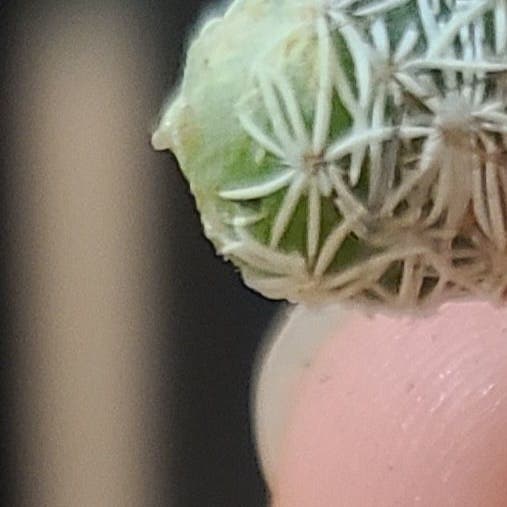
🍍 Pineapple Cactus: Not an Annual
Coryphantha sulcata
By the Greg Editorial Team
Oct 02, 2024•3 min read
This article was created with the help of AI so we can cover more plants for you. May contain errors. See one? Report it here.
Cultivate resilient pineapple cacti 🌵 for a stunning, low-maintenance garden that thrives for years!
- 🌵 Pineapple cacti are perennials, thriving for years, unlike short-lived annuals.
- 💧 Adapted to drought, they store water and survive harsh conditions effectively.
- 🌼 Bloom multiple times yearly, offering vibrant flowers and seeds for propagation.
Pineapple Cactus Classification
🌱 Genetic and Physiological Characteristics
The pineapple cactus belongs to the genus Coryphantha, a group known for its unique adaptations. These plants have evolved traits that enable them to thrive in arid environments, showcasing their resilience.
Their spiky, cylindrical stems resemble a pineapple, making them visually striking. This unique growth form not only adds to their aesthetic appeal but also serves a functional purpose in water storage.
Pineapple cacti are adept at surviving in low-water conditions. Their ability to store water allows them to endure prolonged droughts, showcasing their remarkable resilience and capacity to regenerate after adverse conditions.
🌼 Long-Term Lifecycle and Growth Patterns
Pineapple cacti can live for many years, often producing flowers and seeds multiple times throughout their lifespan. This longevity is a key characteristic that distinguishes them from annual plants.
Initially, their growth is slow, but they can experience rapid development during optimal conditions. Seasonal behavior includes dormancy during extreme heat or cold, with active growth resuming in more moderate temperatures.
🌸 Reproductive Strategies
Typically, pineapple cacti bloom in late spring to early summer, showcasing vibrant flowers. After flowering, they can produce numerous seeds, ensuring their survival and propagation.
Unlike true annuals, which complete their life cycle in one season, pineapple cacti focus on longevity. They have multiple flowering and seed production events, reinforcing their status as perennials.
❓ Misconceptions and Exceptions
Some conditions can lead to the misconception that pineapple cacti are annuals. Environmental stress and improper care can affect their growth, leading to premature assumptions about their lifecycle.
Regional variations also play a role; climate impacts and local gardening practices can influence how these plants are perceived. Many gardeners mistakenly believe that their appearance or growth habits indicate they are annuals.
🌿 Garden Design and Planting Strategies
In perennial gardens, pineapple cacti offer significant advantages, including drought tolerance and a unique aesthetic. Their distinctive look can enhance the visual appeal of any garden space.
When planning for long-term growth, consider spacing and companion planting. Integrating pineapple cacti with other perennials can create a dynamic design that provides seasonal interest.
🛠️ Management Tips for Longevity
To ensure the longevity of your pineapple cactus, adopt best practices for care. Proper watering techniques and suitable soil requirements are essential for healthy growth.
Maximize growth and flowering through effective fertilization and pruning. Seasonal considerations, such as winter protection and summer shade, will also contribute to the plant's overall health and vitality.
With the right care and understanding, your pineapple cactus can thrive for years, adding beauty and resilience to your garden. Next, let’s explore the garden design and planting strategies that can help you integrate this unique plant into your landscape.
⚠️ Safety First
This content is for general information and may contain errors, omissions, or outdated details. It is not medical, veterinary advice, or an endorsement of therapeutic claims.
Always consult a qualified healthcare professional before using any plant as food, medicine, or supplement.
Never eat any plant (or feed one to pets) without confirming its identity with at least two trusted sources.
If you suspect poisoning, call Poison Control (800) 222-1222, the Pet Poison Helpline (800) 213-6680, or your local emergency service immediately.
Spotted an error? Please report it here.
Cultivate your everlasting pineapple cacti 🌵 with Greg's tailored care reminders and watering plans to ensure they thrive for years to come!