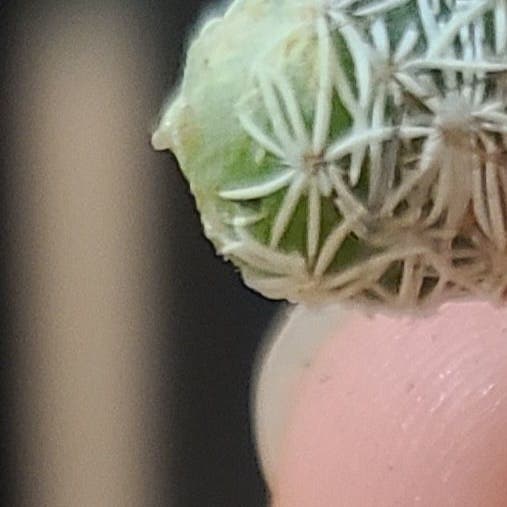
🍍 How to Propagate Your Pineapple Cactus
Coryphantha sulcata
By the Greg Editorial Team
Jun 18, 2024•5 min read
This article was created with the help of AI so we can cover more plants for you. May contain errors. See one? Report it here.
Propagate your Pineapple Cactus 🌵 effortlessly and watch your desert garden thrive with our expert guide!
- 🌵 Propagate in warm nights between August and October for best results.
- Use sharp tools and proper soil for clean cuts and good drainage.
- Aftercare is crucial: warm light, careful watering, and pest prevention.
Kickstarting Propagation: When and What You'll Need
🌱 Best Time to Propagate
The optimal window for Pineapple Cactus propagation is a slice of the calendar between August and October. This period, with its warm nights above 60°F, sets the stage for roots to wake up and dance their way into growth. It's all about timing—get this right, and you're halfway to a propagation party.
🛠 Gathering Your Propagation Gear
Before diving into the soil, arm yourself with the right tools. You'll need a sharp knife or scissors, because clean cuts matter. They're like good first impressions—vital and not worth botching. Then, grab a container with drainage holes, because nobody likes wet feet, least of all cactus roots. Mix in some cactus soil, rich in drainage and low in organic material, to keep things light and airy. Lastly, patience isn't just a virtue; it's a necessity. With these items ticked off your list, you're ready to roll up your sleeves and get your hands dirty.

Getting Your Hands Dirty: Propagating from Offsets
🌱 Spotting and Harvesting Offsets
Offsets, affectionately known as pups, are your Pineapple Cactus's contribution to the circle of life. These little clones cluster around the mother plant, waiting for their moment in the sun. Size matters here; you want them chubby enough to handle without a fuss. Look for pups that have formed their own roots, signaling they're ready for independence.
To detach, channel your inner surgeon and use a sterilized knife for a clean cut. Avoid damaging the parent's stem—think precision, not hacking. After the separation, let the offset dry for a day or two. This is crucial—it's like a natural bandage against rot.
🌱 Planting Offsets
Now, for the fun part. Grab a pot with a well-draining soil mix—your new Pineapple Cactus baby despises waterlogged conditions. Plant the offset shallowly, so it feels secure but isn't smothered. Indirect sunlight is the name of the game; too much direct sun is a no-go, especially in the scorching heat.
Watering is a delicate dance; too much and you'll end up with a mushy mess. Wait about a week before the first watering to avoid rot. Patience is your new best friend—roots take time to develop. Keep the soil slightly moist, but never soggy. Remember, you're not just growing a plant; you're nurturing resilience.

The Art of Stem Cutting Propagation
🌱 Preparing Your Stem Cuttings
Selecting a healthy stem is crucial for successful propagation. Look for stems that are robust and green, showing no signs of weakness or disease. Using disinfected shears or a knife, make a clean cut just below a leaf node, where the potential for root growth is high.
🌵 Rooting Your Future Cacti
Sanitize your tools and pots before you begin. Cuttings should be about 4-6 inches long, with the lower leaves removed to prevent rot. Dip the cut end into rooting hormone to stimulate growth and plant the cutting in well-draining soil, ensuring at least one node is buried. Keep the soil moist but not soggy, and provide bright, indirect light. Patience is key; roots may take a few weeks to develop.

Aftercare for Your Propagated Pineapple Cactus
🌞 Ensuring a Strong Start
Light and temperature are your cactus's new best friends. Post-propagation, they need a warm and bright environment, but direct sunlight is a no-go. Think of it as a VIP lounge for your cactus to chill before it hits the main stage.
💧 Immediate Watering Needs
Watering is a bit of a Goldilocks situation. Too much and you're drowning them, too little and they're parched. Aim for moist but not wet soil, and let the pot drain properly. It's like giving a toddler a sippy cup; you want to avoid spills.
🐜 Pest and Disease Vigilance
Keep an eye out for uninvited guests. Pests and diseases love a vulnerable young plant. Regular check-ups are non-negotiable. It's like a plant health insurance policy.
🌱 Acclimatization
Your cactus babies are like newbies at a gym. They need time to acclimate. Keep conditions stable, avoid sudden temperature changes, and give them that indirect light workout.
👩🌾 Parent Plant Care
Don't forget about the OG plant. After giving up its pups, it needs a little TLC to bounce back. Trim any excess growth to help it refocus its energy on being fabulous again.
Overcoming Propagation Pitfalls
🌱 Common Propagation Challenges
Root rot is a notorious issue, often a sign of overwatering or inadequate drainage. If your offsets or stem cuttings look soggy or wilted, reassess your watering routine. A substrate that's too wet or too dry is a death sentence for young cacti.
🛡️ Preventative Measures
Sunburn can ambush your cacti, leaving unsightly brown or white patches. If you notice these, move your plants to a spot with gentler light. Splitting is a plant's plea for less water; heed this by dialing back on hydration. To avoid disease, consider crop rotation—it's not just for veggies. Regular pest scouting is essential; it's less of a pastime and more of a critical defense tactic. Keep a vigilant eye out for early trouble signs like yellowing leaves or stunted growth—catching these early can save your propagation efforts from disaster.
⚠️ Safety First
This content is for general information and may contain errors, omissions, or outdated details. It is not medical, veterinary advice, or an endorsement of therapeutic claims.
Always consult a qualified healthcare professional before using any plant as food, medicine, or supplement.
Never eat any plant (or feed one to pets) without confirming its identity with at least two trusted sources.
If you suspect poisoning, call Poison Control (800) 222-1222, the Pet Poison Helpline (800) 213-6680, or your local emergency service immediately.
Spotted an error? Please report it here.
Ace your Pineapple Cactus propagation 🌵 with Greg's tailored reminders for the perfect planting time and post-propagation care, ensuring your cacti thrive!