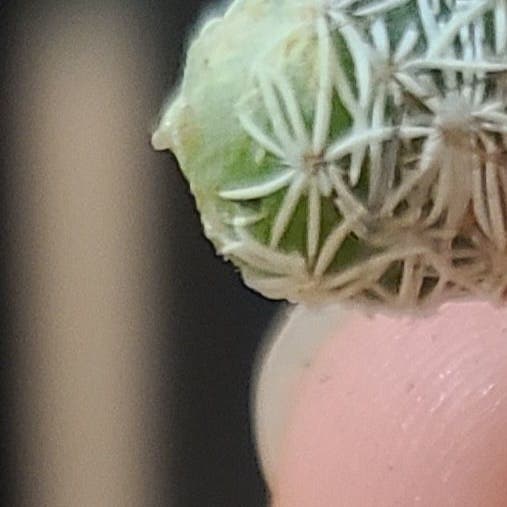
🍍 Should I Repot My Pineapple Cactus?
Coryphantha sulcata
By the Greg Editorial Team
Jun 18, 2024•5 min read
This article was created with the help of AI so we can cover more plants for you. May contain errors. See one? Report it here.
Learn to spot when your Pineapple Cactus craves a new pot for thriving growth! 🌵🔍
- 🌵 Roots peeking out? Time to repot your Pineapple Cactus.
- Terracotta or Ceramic: Choose wisely for your cactus's new home.
- Spring repotting ensures a happy growth season for your cactus.
Spotting the Tell-Tale Signs Your Cactus Needs a New Pot
🌱 Root Clues: When Roots Play Peek-a-Boo
If your Pineapple Cactus's roots are making a break for it through the drainage holes, it's not just being adventurous. It's cramped. Like a teenager outgrowing their bed, your cactus is telling you it needs more room.
💧 Thirsty Much? How Frequent Watering Might Signal It's Time
When you're watering more often than you're checking your socials, take note. It's not just thirsty; it's likely root-bound. The soil should retain moisture, not repel it like a bad internet connection.
🌵 Growth Spurts: Understanding Size and Space Needs
A cactus that's stopped its skyward journey isn't lazy; it's lacking space. If your Pineapple Cactus has hit a growth plateau, it's not meditating. It's silently pleading for a new pot.

Choosing the Right Pot for Your Pineapple Cactus
When it comes to repotting your Pineapple Cactus, the pot you choose is a pivotal player in the health and happiness of your spiky friend.
🏺 Terracotta vs. Ceramic: Weighing the Pros and Cons for Pineapple Cactus
Terracotta pots are the old-school cool of plant containers. Their porous nature allows for air and water to move through the soil, preventing your cactus from sitting in moisture too long. However, they can be heavy, and if you're someone who loves to shuffle your plants around, this might be a workout you didn't sign up for.
Ceramic pots, on the other hand, are the sleek, heavier cousins to terracotta. They come with a glaze that can help retain moisture, which means less frequent watering. But beware, they can be a pain to move and often come without drainage holes, so you might need to whip out a drill.
🕳️ Why Drainage Holes are Non-Negotiable
Let's cut to the chase: drainage holes are a must. Without them, you're basically throwing a pool party for root rot, and trust me, your cactus isn't into that. Excess water needs an escape route, and drainage holes are the secret tunnels to freedom.
Quick Touch on Materials to Steer Clear Of
Steer clear of non-porous materials like certain plastics or metals that can turn your pot into a swampy mess. These materials can trap moisture and create a soggy environment that will have your Pineapple Cactus sending out SOS signals. Remember, the goal is to mimic the cactus's natural, dry habitat, not recreate the Everglades.

The Repotting Rundown: A Step-by-Step Guide
⏰ Timing is Everything
Spring is your cactus's call to action. It's prepped for growth, making it prime time for pot swapping. Dodge the winter months—your cactus is snoozing, and disturbing it then is a big no-no.
🛠 Prepping Your Tools and Workspace
You'll need a new pot, about 2 inches wider than the old one, and with drainage holes to boot. Grab some well-draining cactus mix and don't skimp on thick gloves—those spines aren't messing around.
🕺 The Transplant Tango
First, coax your cactus out gently. If it plays hard to get, tap the pot's edges. Got it out? Great. Now, shake off the old soil and get a good look at the roots.
🌱 Root Review
Healthy roots look plump and light. If you spot any dark, soggy suspects, it's time for a trim. Snip the bad bits with sterilized scissors. Think of it as a root revival.
🏡 Settling In
Lay down a fresh layer of cactus mix in the new pot. Nestle your cactus in, making sure it's not too deep or shallow. Backfill with soil, but remember—cacti hate being packed in tight. A light tap to settle is all you need.
💧 The First Water
Water your cactus post-repot, but then give it a break. Let the soil dry out completely before the next round. This helps avoid root rot and gives your spiky friend time to acclimate.
Remember, repotting is like a fresh start. Do it right, and your Pineapple Cactus will be thanking you with growth spurts and vibrant health.

Cactus Care Post-Repotting
💧 The First Watering: When and How Much
After relocating your Pineapple Cactus to its new pot, resist the urge to water immediately. Give it a week to settle and recover from any root disturbances. When you do water, go easy—think of it as a sip, not a gulp. Let the soil return to its native desert dryness before even thinking about another watering session.
🌞 Sunlight and Settling In: Finding the Sweet Spot
Your Pineapple Cactus loves the sun, but not too much. Find a spot where it gets bright, indirect light to avoid sunburn. If your cactus starts looking like it spent too long at the beach, move it away from direct rays. And remember, consistency is key—keep it away from drafts and maintain a stable temperature.
👀 Watching for Woes: Signs of Stress and How to Deal with Them
Keep an eye out for any drama—wilting, discoloration, or growth that seems off. These are your cactus's way of saying, "I'm not okay." If you see these signs, reassess your watering habits and light exposure. Overwatering is a common misstep, so when in doubt, let it drought. If your cactus is throwing a fit, it might need a change of scenery or a watering schedule intervention.
⚠️ Safety First
This content is for general information and may contain errors, omissions, or outdated details. It is not medical, veterinary advice, or an endorsement of therapeutic claims.
Always consult a qualified healthcare professional before using any plant as food, medicine, or supplement.
Never eat any plant (or feed one to pets) without confirming its identity with at least two trusted sources.
If you suspect poisoning, call Poison Control (800) 222-1222, the Pet Poison Helpline (800) 213-6680, or your local emergency service immediately.
Spotted an error? Please report it here.
Ensure your pineapple cactus flourishes in its ideal home by using Greg for perfectly-timed 🌵 repotting reminders based on its unique growth and soil conditions.