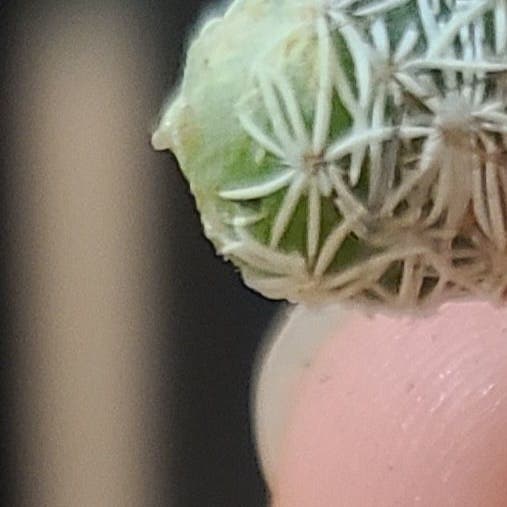
🍍 Pineapple Cactus: A Perennial Plant
Coryphantha sulcata
By the Greg Editorial Team
Oct 02, 2024•5 min read
This article was created with the help of AI so we can cover more plants for you. May contain errors. See one? Report it here.
Unleash the charm of Pineapple Cactus 🌵, a resilient perennial that thrives for years with minimal effort!
- 🌵 Pineapple Cactus thrives for 10-20 years with proper care and conditions.
- 🌼 Flowers bloom in late spring, needing warmth and sunlight to flourish.
- 🌱 Recognize dormancy signs like slowed growth for optimal care and health.
Characteristics of Pineapple Cactus as a Perennial
Multi-Year Lifecycle 🌱
Pineapple Cactus is a true perennial, thriving for multiple years. Its lifecycle is a testament to resilience, moving through distinct growth stages: from seedling to mature plant, and finally to flowering phases.
Growth Patterns and Regrowth from Roots 🌿
One of the standout features of Pineapple Cactus is its remarkable ability to regenerate from the same root system each year. This root regeneration not only supports consistent growth but also contributes to the plant's overall health and vitality, ensuring it remains robust season after season.
With its multi-year lifecycle and strong root system, Pineapple Cactus exemplifies the beauty of perennial plants. As we dive deeper into its flowering behavior, we’ll explore how these characteristics influence its blooming patterns and lifespan.
Flowering and Lifespan
🌸 Flowering Behavior
Pineapple Cactus has a fascinating flowering behavior that aligns with seasonal patterns. Typically, blooms occur in late spring to early summer, triggered by warmer temperatures and increased sunlight.
The flowers are striking, featuring vibrant yellow to orange hues with a unique tubular shape. Each bloom lasts for a few days, adding a burst of color to your garden.
⏳ Expected Lifespan and Influencing Factors
In optimal conditions, Pineapple Cactus can live for several years, often reaching an average lifespan of 10 to 20 years. This longevity is influenced by factors such as soil quality, climate, and care practices.
Healthy soil rich in nutrients promotes robust growth, while extreme weather conditions can shorten lifespan. Regular care, including proper watering and sunlight exposure, ensures your cactus thrives for years to come.
With this understanding of flowering and lifespan, you can better appreciate the beauty and resilience of the Pineapple Cactus. Next, let’s explore its dormancy and how seasonal changes impact its growth.
Dormancy and Seasonal Changes
Dormancy Periods 🌙
Recognizing when your Pineapple Cactus is entering a dormant phase is crucial for its care. Look for signs like slowed growth, reduced water needs, and a general lack of new shoots.
Typically, dormancy lasts several weeks to a few months, often occurring during the colder months. This period allows the plant to conserve energy and prepare for the next growth cycle.
Seasonal Changes and Their Effects 🍂
Seasonal changes significantly impact the growth patterns and flowering cycles of Pineapple Cactus. In spring and summer, you’ll notice vibrant growth and blooming, while fall and winter bring a slowdown.
To cope with these variations, Pineapple Cactus employs several strategies. It conserves water and energy during dormancy, ensuring it can thrive when conditions improve. This adaptability is key to its resilience and longevity.
Understanding these seasonal dynamics not only enhances your gardening experience but also fosters a deeper connection with this remarkable plant. As you observe these changes, you'll appreciate the Pineapple Cactus's ability to thrive in diverse conditions.
Next, let’s explore the advantages of growing Pineapple Cactus for gardeners, focusing on its long-term benefits and established root systems.
Advantages for Gardeners
🌱 Benefits of Reduced Replanting
The Pineapple Cactus is a true gem for gardeners, primarily due to its perennial nature. This characteristic significantly reduces the need for frequent replanting, allowing you to enjoy a stable garden year after year.
By investing in Pineapple Cactus, you're not just planting a flower; you're making a long-term commitment to your garden. This means less time and effort spent on replanting, giving you more time to enjoy your outdoor space.
🌳 Importance of Established Root Systems
Established root systems are vital for the health of your Pineapple Cactus. These roots provide stability and resilience, ensuring the plant can withstand various environmental challenges.
Moreover, a well-developed root system enhances nutrient uptake. This means your cactus can absorb essential minerals and water more efficiently, promoting robust growth and vibrant flowering.
In summary, the advantages of growing Pineapple Cactus extend beyond its aesthetic appeal. Its perennial nature and strong root systems make it a practical choice for any gardener looking to cultivate a thriving landscape.
As we explore further, let’s dive into how climate zone variations can influence the behavior of Pineapple Cactus.
Climate Zone Variations
🌍 Variations in Behavior Across Climates
Pineapple Cactus showcases remarkable adaptability, thriving in various climate zones. Its perennial behavior shifts depending on environmental conditions, allowing it to flourish whether in arid deserts or temperate regions.
In arid climates, Pineapple Cactus develops deeper root systems to access moisture. Conversely, in temperate zones, it may exhibit slower growth during cooler months, conserving energy until warmer weather returns.
🌱 Tips for Maximizing Benefits
When planning your garden, consider your local climate for optimal planting strategies. Choose a location that mimics the natural habitat of Pineapple Cactus, ensuring it receives adequate sunlight and drainage.
Adjust your care practices seasonally. In hotter months, increase watering frequency, while in cooler periods, reduce it to prevent root rot. Tailoring your approach to the environment will enhance the health and vitality of your Pineapple Cactus.
With these insights, you can cultivate a thriving Pineapple Cactus that flourishes year after year. Next, let’s explore the advantages this resilient plant offers to gardeners.
⚠️ Safety First
This content is for general information and may contain errors, omissions, or outdated details. It is not medical, veterinary advice, or an endorsement of therapeutic claims.
Always consult a qualified healthcare professional before using any plant as food, medicine, or supplement.
Never eat any plant (or feed one to pets) without confirming its identity with at least two trusted sources.
If you suspect poisoning, call Poison Control (800) 222-1222, the Pet Poison Helpline (800) 213-6680, or your local emergency service immediately.
Spotted an error? Please report it here.
Nurture your Pineapple Cactus for years of vibrant blooms 🌼 with Greg's tailored care tips and watering reminders that adapt to its unique seasonal needs!