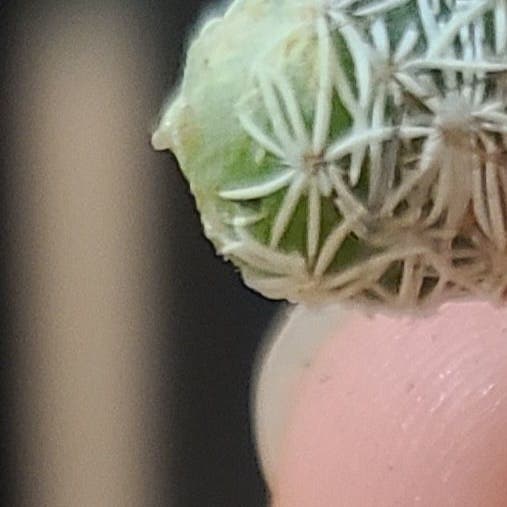
🍍 Why Are My Pineapple Cactus Leaves Falling Over?
Coryphantha sulcata
By the Greg Editorial Team
Jun 18, 2024•5 min read
This article was created with the help of AI so we can cover more plants for you. May contain errors. See one? Report it here.
Revive your droopy Pineapple Cactus 🌵 with expert tips that promise a happy, healthy plant life!
- Droopy leaves signal distress; check for firm roots and adjust care.
- Balance hydration and light to prevent limp or wilted leaves.
- Repot with well-draining soil if root rot or poor growth occurs.
Spotting Trouble Early
🚩 Signs Your Pineapple Cactus Is Unhappy
Droopy leaves are the Pineapple Cactus's white flag. If your cactus's leaves are sagging or bending, it's time to pay attention. A color shift towards a faded green is another distress signal. Pests like spider mites and mealybugs, along with fungal infections, often follow if the plant is too moist. These are not just visual cues; they're cries for help.
🏥 Monitoring Plant Health
Regular health check-ups are crucial. Look for firm, cream-colored roots and avoid those that are mushy or dark—these are signs of root rot. The soil should not smell like a swamp. If the base of your cactus feels softer than a marshmallow, you've likely overwatered. Keep an eye out for stunted growth and yellowing leaves, which indicate that your cactus is not living its best life. The importance of early detection cannot be overstated—it's the key to preventing your Pineapple Cactus leaves from falling over.

The Usual Suspects: Common Causes of Droopy Leaves
💧 Too Much Love: The Perils of Overwatering
Overwatering is a common misstep that can leave your Pineapple Cactus with limp leaves. The roots suffocate and the leaves turn a telltale yellow, becoming as mushy as overripe fruit.
Tips to assess your watering routine include waiting for the topsoil to dry before watering again, and ensuring the pot has adequate drainage.
🏜️ Thirsty Spikes: The Underwatering Conundrum
Conversely, underwatering results in wilted, dry leaves craving moisture. Your cactus's spikes might look as thirsty as a desert traveler.
To balance hydration, check the soil moisture before watering—aim for damp, not drenched, and adjust according to the season.
🌞 Light Woes: Finding the Sweet Spot
Light is crucial for keeping your cactus's leaves perky. Too little sun leads to droopiness, while too much can cause scorching.
Adjust your cactus's sunbathing schedule to ensure it receives bright, indirect light without being subjected to the harsh midday sun.
🌱 Root of the Problem: Tackling Root Rot
Root rot, often due to overwatering, compromises leaf stability. The base of your cactus might feel softer than a squishy pillow, signaling trouble below the surface.
To rescue your cactus from root rot, remove affected roots, let the soil dry, and repot with a well-draining mix. Keep an eye on humidity levels, as cacti prefer a drier environment.

First Aid for Your Pineapple Cactus
💧 Fine-Tuning Watering Techniques
Crafting the perfect watering schedule for your Pineapple Cactus is less about sticking to a rigid calendar and more about observing your plant's needs. Check the soil moisture before watering; if it's dry an inch down, it's time to hydrate. If it's damp, hold off. Remember, your cactus prefers a drink when it's thirsty, not just because it's Tuesday.
Tools and tricks for precise watering include using a moisture meter for an accurate soil moisture reading or the classic finger test. A wooden stick can also work wonders—insert it a couple of inches into the soil, and if it comes out dry, it's time to water.
🌞 Light and Location: Setting the Stage
Optimizing your cactus's living quarters means finding that sweet spot where the light is just right. Bright light with ample airflow is key, but direct sunlight can be a bit much. If your cactus starts to look like it's reaching for sunglasses, consider relocating it to a spot with filtered light.
When to consider a change of scenery for your cactus? If you notice its leaves still drooping despite your best watering efforts, or if the growth seems stunted, it might be time for a move. Sometimes, all a cactus needs is a new view.
🌱 Soil and Drainage: Laying the Groundwork
The best soil mix for preventing droopy leaves includes a combination of perlite, coarse sand, and peat moss. This trio ensures aeration, drainage, and just enough moisture retention. Think of it as the ultimate cactus mattress—firm, yet breathable.
Ensuring proper drainage is crucial. Choose a pot with drainage holes and consider a cactus mix with a higher ratio of inorganic materials like pumice or perlite. This setup helps prevent water-logging, which is pretty much a cactus's worst nightmare.

When to Call in the Cavalry
🚑 Seeking Professional Help
When your Pineapple Cactus's leaves droop despite your best efforts, it's time to seek expert advice. If you've adjusted watering, lighting, and checked for pests, yet the leaves still resemble a sad parade of umbrellas, professional help is warranted. Plant specialists can offer a diagnosis and treatment plan tailored to your cactus's unique needs.
📚 Resources for Pineapple Cactus Owners
For professional guidance, start with local nurseries or gardening clubs. Online forums and social media groups dedicated to cacti can also provide valuable insights and recommendations for expert help.
Considering Repotting
🌱 Deciding if Your Pineapple Cactus Needs a New Home
If your cactus is as cramped as a commuter in rush-hour traffic, it might be time to repot. Signs to look for include soil that dries out too quickly or roots that peek out like curious groundhogs. A cactus that's stopped growing is another red flag that it's time for a new pot.
Step-by-Step Guide to Repotting Without Causing More Droop
- Choose the right time: Spring is ideal for repotting, as the cactus is entering a growth phase.
- Select a suitable pot: Ensure it has ample drainage holes to prevent waterlogged roots.
- Prepare the soil: Use a well-draining cactus mix to give your plant a fresh start.
- Gently remove the cactus: Handle with care to avoid damaging the roots or yourself.
- Replant: Place the cactus in the new pot and backfill with soil, taking care not to bury it too deep.
- Water sparingly: After repotting, water lightly to help the plant settle in without overwhelming it.
⚠️ Safety First
This content is for general information and may contain errors, omissions, or outdated details. It is not medical, veterinary advice, or an endorsement of therapeutic claims.
Always consult a qualified healthcare professional before using any plant as food, medicine, or supplement.
Never eat any plant (or feed one to pets) without confirming its identity with at least two trusted sources.
If you suspect poisoning, call Poison Control (800) 222-1222, the Pet Poison Helpline (800) 213-6680, or your local emergency service immediately.
Spotted an error? Please report it here.
Ensure your Pineapple Cactus stands tall and thrives 🌵 by letting Greg monitor soil moisture and provide the perfect watering schedule.