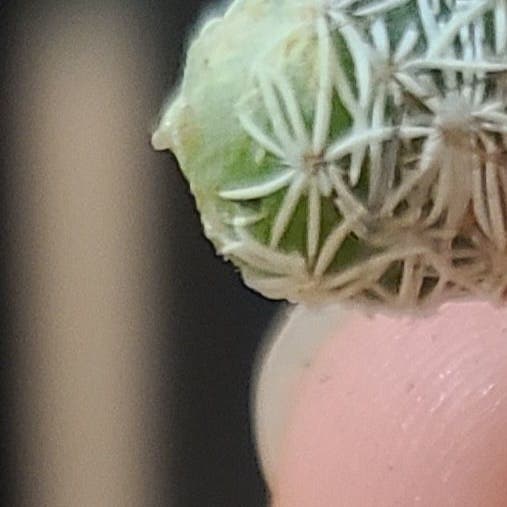
🍍 8 Tips for Fixing Flower Problems in Pineapple Cactus
Coryphantha sulcata
By the Greg Editorial Team
Oct 02, 2024•5 min read
This article was created with the help of AI so we can cover more plants for you. May contain errors. See one? Report it here.
Revive your pineapple cactus blooms 🌼 by mastering light, water, and nutrients for a thriving garden!
- 🌞 Pineapple cacti need 6+ hours of sunlight daily for optimal blooming.
- 💧 Proper watering is crucial; check soil moisture to avoid root rot or stress.
- 🌱 Nutrient deficiencies, especially phosphorus, hinder flowering; use specialized cactus fertilizer.
Failure to Bloom
🌞 Causes of Bloom Failure
Insufficient Light
Pineapple cacti thrive on sunlight, needing at least six hours of full sun exposure daily. Without this, they struggle to produce blooms.
Improper Watering
Watering habits play a crucial role in blooming. Overwatering can lead to root rot, while underwatering stresses the plant, both of which hinder flowering.
Nutrient Deficiencies
A lack of essential nutrients, especially phosphorus, can significantly impact a cactus's ability to bloom. Ensuring your plant receives the right nutrients is key to vibrant flowers.
🌼 Solutions to Encourage Blooming
Adjusting Light Exposure
If your cactus isn’t blooming, consider relocating it to a sunnier spot. For indoor plants, using grow lights can help mimic the sunlight they crave.
Optimizing Watering Schedule
Establish a watering routine that checks the top inch of soil. Water only when it’s dry, and always ensure your pot has proper drainage to prevent waterlogging.
Fertilization Tips
During the growing season, use a balanced cactus fertilizer with a higher phosphorus content. This will provide the nutrients necessary for encouraging blooming.
By addressing these factors, you can help your pineapple cactus thrive and produce beautiful flowers. Next, let’s explore what causes premature flower drop and how to prevent it.
Premature Flower Drop
🌪️ Causes of Premature Flower Drop
Premature flower drop can be frustrating, especially when you’ve nurtured your pineapple cactus with care. One major culprit is environmental stress; sudden changes in humidity or light can throw your plant into a tailspin.
Another common issue is overwatering. Excess moisture not only leads to bud drop but can also cause root problems that further stress the plant. Additionally, temperature fluctuations can wreak havoc; pineapple cacti thrive in stable conditions, and extremes can lead to flower loss.
🛠️ Solutions to Prevent Premature Drop
To combat these challenges, start by stabilizing the environment. Maintain consistent humidity levels and avoid drafts that can shock your cactus.
Next, focus on proper watering techniques. Water deeply but infrequently, ensuring your pot has adequate drainage holes to prevent soggy roots.
Lastly, keep an eye on temperature management. Aim to maintain a comfortable range of 70°F to 90°F (21°C to 32°C) to create the ideal environment for your cactus to flourish.
By addressing these factors, you can help your pineapple cactus thrive and enjoy a beautiful display of blooms. Up next, we’ll explore the abnormal flower development and how to ensure your cactus flowers are healthy and vibrant.
Abnormal Flower Development
🌱 Causes of Abnormal Flower Development
Abnormal flower development in pineapple cacti can stem from several issues.
Pest Infestations
Common pests like mealybugs and spider mites can wreak havoc on flower quality. These tiny invaders suck the sap from your plant, leading to stunted growth and malformed blooms.
Disease
Fungal infections are another culprit that can cause flowers to develop abnormally. If you notice discoloration or wilting, it may be time to investigate further.
Inadequate Nutrients
A lack of key nutrients can also hinder flower formation. Essential elements like nitrogen, phosphorus, and potassium are crucial for healthy blooms.
🌼 Solutions for Healthy Flower Development
Addressing abnormal flower development requires a proactive approach.
Pest Control Methods
To manage infestations, consider using insecticidal soap or neem oil. These treatments are effective and can help restore your cactus's health without harsh chemicals.
Disease Management
If you spot any signs of disease, promptly remove affected parts. Applying appropriate fungicides can also help prevent further spread and protect your plant.
Nutrient Supplementation
Boosting nutrient levels is vital for healthy flower development. Applying a specialized flowering cactus fertilizer can provide the necessary nutrients and encourage vibrant blooms.
By understanding the causes and implementing these solutions, you can nurture your pineapple cactus back to health. This will set the stage for a flourishing display of flowers, enhancing your gardening experience.
Next, let’s explore the environmental factors that affect flowering, ensuring your cactus thrives in its ideal conditions.
Environmental Factors Affecting Flowering
🌞 Light Requirements for Flowering
Sunlight is crucial for your pineapple cactus to bloom. Without adequate light, the plant struggles with photosynthesis, which directly impacts flower production.
For optimal growth, aim for full sun exposure. This means at least six hours of direct sunlight daily; shaded areas can hinder blooming.
🍽️ Nutritional Needs for Flowering
Your cactus needs specific nutrients to thrive. Key players include nitrogen, phosphorus, and potassium, which are essential for healthy flower development.
To meet these nutritional needs, use a cactus-specific fertilizer every 4-6 weeks during the growing season. This will ensure your plant gets the boost it needs to produce vibrant blooms.
✂️ Pruning Techniques
Pruning plays a significant role in flower production. By removing dead or damaged stems, you encourage new growth, leading to more blooms.
The best time to prune is after flowering. This timing allows the plant to focus its energy on producing healthy new growth, setting the stage for a stunning display next season.
By understanding these environmental factors, you can create the ideal conditions for your pineapple cactus to flourish. Next, let’s explore how to tackle common issues like premature flower drop.
⚠️ Safety First
This content is for general information and may contain errors, omissions, or outdated details. It is not medical, veterinary advice, or an endorsement of therapeutic claims.
Always consult a qualified healthcare professional before using any plant as food, medicine, or supplement.
Never eat any plant (or feed one to pets) without confirming its identity with at least two trusted sources.
If you suspect poisoning, call Poison Control (800) 222-1222, the Pet Poison Helpline (800) 213-6680, or your local emergency service immediately.
Spotted an error? Please report it here.
Unlock vibrant blooms for your pineapple cactus 🌵 with Greg's tailored care reminders and nutrient tips, ensuring your plant thrives in its ideal environment!