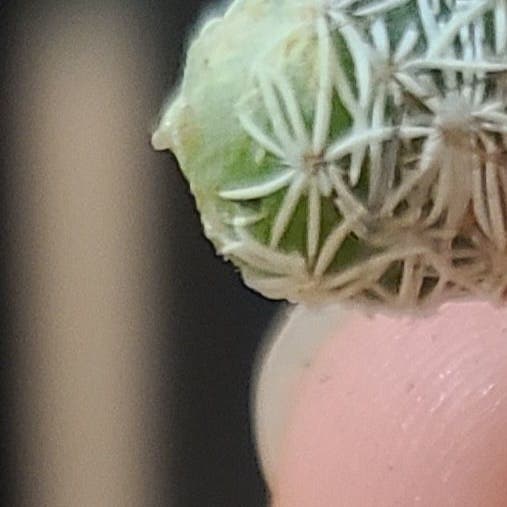
🍍 Ultimate Guide to Indoor Pineapple Cactus Care
Coryphantha sulcata
By the Greg Editorial Team
Oct 02, 2024•5 min read
This article was created with the help of AI so we can cover more plants for you. May contain errors. See one? Report it here.
Master Pineapple Cactus care 🌵 to transform your indoor space into a vibrant oasis of growth and beauty!
- 🌞 Pineapple Cacti need 6-8 hours of sunlight daily for optimal growth.
- 💧 Water every 2-3 weeks; adjust based on appearance to prevent rot.
- 🌵 Use cactus potting mix for proper drainage and healthy roots.
Indoor Care Requirements
Light Requirements 🌞
Ensuring your Pineapple Cactus gets the right amount of light is crucial for its health. Aim for 6-8 hours of direct sunlight daily to keep it thriving.
If you notice elongated growth or a pale color, your cactus might not be getting enough light. In such cases, consider using grow lights.
Grow Light Considerations 💡
Grow lights are essential when natural light is lacking. They can provide the necessary exposure to keep your cactus healthy.
When choosing a grow light, consider LED vs. fluorescent options. LED lights are energy-efficient and long-lasting, while fluorescent lights are often more affordable. For optimal growth, look for lights with a recommended wattage and spectrum that suits your cactus's needs.
Watering Needs 🚰
Watering your Pineapple Cactus requires a careful balance. During the growing season, aim to water every 2-3 weeks.
Watch for signs of overwatering, such as yellowing or mushy stems. Conversely, if your cactus appears shriveled or dry, it may need more water.
Humidity Control 🌬️
Pineapple Cacti thrive in low humidity, ideally between 20-30%. Maintaining this level is key to preventing rot.
To control humidity, consider using a dehumidifier in damp environments. Avoid misting your cactus, as this can lead to unwanted moisture buildup.
Temperature Preferences 🌡️
Temperature plays a significant role in your cactus's well-being. Aim for daytime temperatures between 70°F to 80°F (21°C to 27°C), with a nighttime drop to 50°F to 60°F (10°C to 15°C).
Be on the lookout for signs of temperature stress. Wilting or browning edges indicate heat stress, while stunted growth and discoloration may suggest cold stress.
Soil Type and Fertilization 🍽️
Choosing the right soil mix is essential for drainage. A cactus potting mix or a blend of sand, perlite, and potting soil works best.
For fertilization, use a balanced, diluted cactus fertilizer every 4-6 weeks during the growing season. This helps ensure your cactus receives the nutrients it needs without risking root rot.
With these indoor care requirements in mind, your Pineapple Cactus will be well on its way to thriving in your home. Next, let’s explore common issues and solutions to keep your cactus healthy and vibrant.
Common Issues and Solutions
🐜 Identifying and Preventing Pests
Pineapple cacti can attract a few pesky pests.
- Mealybugs appear as cotton-like clusters on stems, while spider mites leave fine webbing and stippled leaves.
To combat these nuisances, consider using neem oil or insecticidal soap. Manual removal can also be effective, especially for small infestations.
💧 Addressing Watering Issues
Watering problems can lead to serious issues for your cactus.
Overwatering is often indicated by root rot, which manifests as mushy roots and a foul smell.
If you suspect underwatering, rehydrate your plant by soaking the pot in water for a few hours. This method helps restore moisture levels effectively.
🌡️ Managing Temperature Stress
Temperature fluctuations can stress your pineapple cactus.
For heat stress, relocating the plant to a cooler area or providing shade can make a significant difference.
In colder months, insulating pots helps protect roots from freezing temperatures, ensuring your cactus remains healthy.
🌱 Recognizing Signs of Nutrient Deficiency
Nutrient deficiencies can hinder your cactus's growth.
Common signs include yellowing leaves from nitrogen deficiency and poor flowering due to phosphorus deficiency.
Adjusting your fertilization practices can help remedy these issues, ensuring your cactus thrives.
With these tips, you can tackle common problems and keep your pineapple cactus flourishing. Next, let’s explore the best placement and maintenance practices to enhance its growth.
Placement and Maintenance
Best Locations in the Home 🌞
Finding the right spot for your Pineapple Cactus is crucial for its health. Aim for a south-facing window, where it can soak up optimal light exposure.
Avoid placing your cactus in drafty areas or near direct air conditioning. These conditions can stress the plant and hinder its growth.
Tips for Maintaining Appearance ✂️
To keep your cactus looking its best, regular pruning is essential. Remove any dead or damaged spines to promote a healthier appearance.
Cleaning is also important. Gently brush off dust to enhance light absorption, ensuring your cactus thrives.
Seasonal Care Adjustments ❄️
As winter approaches, your Pineapple Cactus will enter dormancy. During this time, reduce watering frequency to prevent overwatering.
Additionally, provide cooler temperatures to mimic its natural habitat. This adjustment helps your cactus rest and prepare for the growing season ahead.
With proper placement and maintenance, your Pineapple Cactus can flourish beautifully indoors. Next, let’s explore the role of grow lights in enhancing its growth.
Using Grow Lights
🌱 Role of Grow Lights
Grow lights are essential for indoor gardening, especially in low-light conditions. They provide the supplemental lighting that Pineapple Cactus needs to thrive and promote healthy growth.
💡 Choosing the Best Grow Light
When selecting a grow light, look for full-spectrum options that support balanced growth. Adjustable height and intensity settings are also crucial, allowing you to customize the light exposure based on your cactus's needs.
📏 Placement and Duration of Grow Light Exposure
Position your grow light 12-24 inches above the cactus for optimal results. Aim for 12-14 hours of exposure daily to ensure your Pineapple Cactus receives the light it craves.
With the right grow light setup, your indoor Pineapple Cactus can flourish, even in less-than-ideal lighting conditions. Next, let’s explore common myths and misconceptions about cactus care to help you become an even more informed plant parent.
Myths and Misconceptions
🌵 Common Myths About Cactus Care
Many people believe that cacti don’t need water at all. In reality, these resilient plants require minimal but regular watering to thrive.
Another common misconception is that cacti flourish in high humidity. Most cacti, including the Pineapple Cactus, actually prefer low humidity environments to stay healthy.
💧 Clarifying Misconceptions About Humidity and Watering
Understanding the specific needs of your Pineapple Cactus is crucial for its care. Striking the right balance between watering and humidity control can make all the difference in keeping your cactus vibrant and thriving.
By debunking these myths, you can provide better care for your indoor Pineapple Cactus. This knowledge sets the stage for a deeper dive into effective care practices, ensuring your plant remains healthy and beautiful.
⚠️ Safety First
This content is for general information and may contain errors, omissions, or outdated details. It is not medical, veterinary advice, or an endorsement of therapeutic claims.
Always consult a qualified healthcare professional before using any plant as food, medicine, or supplement.
Never eat any plant (or feed one to pets) without confirming its identity with at least two trusted sources.
If you suspect poisoning, call Poison Control (800) 222-1222, the Pet Poison Helpline (800) 213-6680, or your local emergency service immediately.
Spotted an error? Please report it here.
Transform your Pineapple Cactus into a stunning centerpiece 🌵 with Greg's tailored care reminders and expert tips that ensure it gets the sunlight and water it craves!