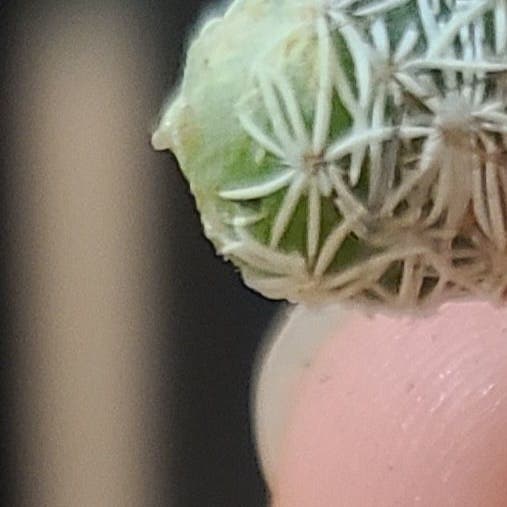
🍍 How Much Humidity Does My Pineapple Cactus Need?
Coryphantha sulcata
By the Greg Editorial Team
Jun 19, 2024•3 min read
This article was created with the help of AI so we can cover more plants for you. May contain errors. See one? Report it here.
Ensure your Pineapple Cactus flourishes 🌵 by nailing the ideal humidity range—no more guesswork!
- 40-60% humidity ideal for Pineapple Cactus health and growth.
- 🌵 Hygrometers monitor levels; look for cactus appearance cues.
- Ventilation and watering manage excess moisture effectively.
Pinpointing Your Pineapple Cactus's Humidity Sweet Spot
🌵 Why Humidity Matters for Your Spiky Friend
Humidity is a silent player in your Pineapple Cactus's life, impacting everything from growth to flowering. Too little, and you risk a shriveled, stunted cactus; too much, and fungal parties may ensue. It's about finding that Goldilocks zone where your cactus thrives without drama.
💧 Decoding Humidity: What Your Cactus Craves
The sweet spot for your Pineapple Cactus lies in a humidity range of 40% to 60%. This range supports robust health without inviting moisture-related issues. Remember, your cactus isn't sipping cocktails in a rainforest; it's a desert native that prefers a drier climate. Keep it in this range, and you'll avoid the extremes that lead to cactus crises.

Assessing Your Home's Humidity
🌡️ Getting Techy with Hygrometers
Hygrometers are your indoor humidity detectives. These gadgets provide a digital readout of moisture levels, essential for Pineapple Cactus care. Place one near your plant, but away from direct sunlight or drafts, to get an accurate reading. Regularly check the hygrometer to track daily fluctuations.
Reading the Signs of Your Cactus
Your Pineapple Cactus communicates its humidity needs through its appearance. If the tips are brown and crispy, the air may be too dry. Conversely, a soft, yellowing base could signal excess moisture. Observe these signs closely to gauge whether your cactus is in its humidity sweet spot.

Boosting Humidity for Your Desert Dweller
🌴 Creating a Mini Oasis
Grouping plants is like throwing a party for your Pineapple Cactus, where everyone breathes out moisture. It's a communal transpiration fest that ups the humidity without much effort.
Pebble trays are the old-school humidifiers. Just a tray, some stones, and water, and you've got an evaporation station right under your cactus. Make sure the pot's not taking a dip to avoid root rot.
💨 Humidifier Hacks
Selecting a humidifier? Think of it as your plant's weather system. Choose one that's more whisper than roar to avoid turning your cactus into a swamp creature.
Keep it clean and at a safe distance. You want a mist, not a monsoon, to maintain that just-right humidity level. Remember, it's about giving your Pineapple Cactus a consistent sip of air moisture, not drowning it in a cloud.
When There's Too Much Moisture in the Air
💨 Ventilation: Your Cactus's Best Friend
Airflow is critical when your home feels more like a greenhouse than a desert. Fans are your go-to for keeping the air from going stale around your Pineapple Cactus. Crack open a window to invite a breeze that'll whisk away unwanted dampness. Remember, it's not about creating a windstorm, just a gentle circulation to mimic the cactus's natural arid conditions.
💧 The Dehumidifying Duo: Dehumidifiers and Watering Wisely
When the air's as thick as soup, it's time for a dehumidifier to step in. It's the equivalent of giving your space a thirst-quenching gulp of dry air. And when it comes to watering, think of it as a seasoning – too much and you'll spoil the dish. Let the soil dry out completely before giving it another drink. This isn't just about quenching thirst; it's about avoiding a fungal fiesta at your cactus's expense.
⚠️ Safety First
This content is for general information and may contain errors, omissions, or outdated details. It is not medical, veterinary advice, or an endorsement of therapeutic claims.
Always consult a qualified healthcare professional before using any plant as food, medicine, or supplement.
Never eat any plant (or feed one to pets) without confirming its identity with at least two trusted sources.
If you suspect poisoning, call Poison Control (800) 222-1222, the Pet Poison Helpline (800) 213-6680, or your local emergency service immediately.
Spotted an error? Please report it here.
Ensure your Pineapple Cactus thrives in the ideal humidity 🌵 with Greg's personalized environment tracking and care tips!