🌵 Determining What Might Be Eating Your Pineapple Cactus
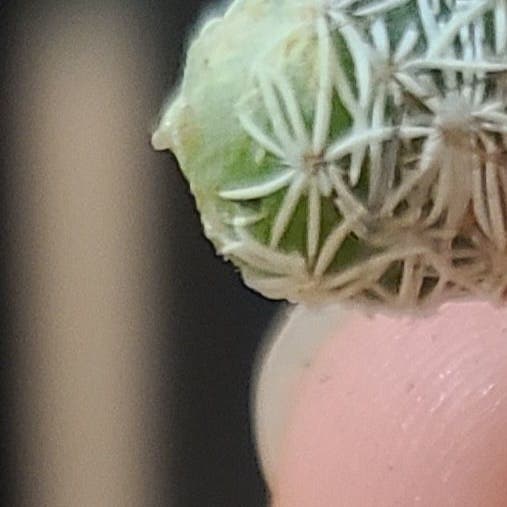
Coryphantha sulcata
By the Greg Editorial Team
Oct 02, 2024•5 min read
This article was created with the help of AI so we can cover more plants for you. May contain errors. See one? Report it here.
Safeguard your pineapple cactus from pesky herbivores 🌵 and ensure a flourishing garden with these essential strategies!
- 🦌 Common herbivores like deer, rabbits, and squirrels threaten your pineapple cactus.
- 🔍 Signs of damage include hoof prints, droppings, and chewed fruits—monitor closely!
- 🚫 Effective deterrents include fencing, repellents, and companion planting for protection.
Common Herbivores Affecting Pineapple Cactus
🦌 Deer
Signs of presence and damage caused
Look for hoof prints near your pineapple cactus; these tracks indicate deer activity. Additionally, if you notice leaves and young shoots stripped away, it's a clear sign that deer are browsing.
Beneficial vs. harmful interaction
Deer interactions are generally harmful. They can severely damage or even kill young plants, making them a significant threat to your cactus.
Deterrent methods
To deter deer, consider using commercial deer repellents. Alternatively, planting strong-smelling herbs nearby can also help keep them at bay.
🐇 Rabbits
Signs of presence and damage caused
Rabbits leave small, round droppings near the cactus, which can be a telltale sign of their presence. You might also find clean cuts on young shoots, indicating they've been gnawing.
Beneficial vs. harmful interaction
Rabbits are generally harmful to your pineapple cactus. Their feeding habits can lead to significant plant damage.
Deterrent methods
For an easy deterrent, use bitter-tasting sprays to discourage rabbits. Fencing or planting rabbit-resistant plants can also serve as effective barriers.
🐿️ Squirrels
Signs of presence and damage caused
Chewed fruits and flowers are clear evidence of squirrels foraging. You may also spot signs of nesting nearby, indicating their presence.
Beneficial vs. harmful interaction
Squirrels are generally harmful as they can damage both fruits and flowers. Their foraging can disrupt your cactus's growth.
Deterrent methods
Capsaicin-based sprays can act as a chemical deterrent for squirrels. Additionally, scare tactics like reflective tape can help keep them away.
🐦 Birds
Signs of presence and damage caused
Look for peck marks on fruits and flowers, which indicate bird activity. Nesting in or around the cactus is another sign that birds are nearby.
Beneficial vs. harmful interaction
Bird interactions are mixed; while some birds pollinate, others can damage fruits. It's essential to monitor their impact on your cactus.
Deterrent methods
Bird-safe repellents can help deter unwanted feathered visitors. During peak fruiting season, using netting can protect your cactus from damage.
🐭 Rodents (Mice, Voles, etc.)
Signs of presence and damage caused
Burrows near the base of the cactus are a clear sign of rodent activity. Chewed roots and stems indicate that these pests are feeding on your plant.
Beneficial vs. harmful interaction
Rodents are generally harmful, as they can cause root damage and plant stress. Their feeding habits can jeopardize the health of your cactus.
Deterrent methods
For a more challenging deterrent, consider using rodent bait stations. Alternatively, traps or natural repellents can help manage their presence.
🦡 Groundhogs/Woodchucks
Signs of presence and damage caused
Large burrows near the cactus signal the presence of groundhogs. Significant damage to the lower parts of the plant is another indicator of their activity.
Beneficial vs. harmful interaction
Groundhogs are generally harmful and can decimate cactus populations. Their feeding can lead to severe plant loss.
Deterrent methods
Commercial repellents can be effective against groundhogs. Additionally, fencing at least 3 feet high and trapping can help protect your cactus.
Understanding these common herbivores and their interactions with your pineapple cactus is crucial for maintaining its health. By implementing effective deterrent methods, you can safeguard your plant from potential damage. Next, let's explore the beneficial animals that can positively impact your cactus and garden ecosystem.
Beneficial Animals
🐝 Pollinators
Pollinators play a crucial role in the health of your pineapple cactus and the surrounding garden ecosystem. They facilitate fertilization, which significantly boosts fruit production.
Attracting bees and butterflies not only enhances biodiversity but also creates a vibrant environment. These creatures are essential for the overall balance of your garden, ensuring that your pineapple cactus thrives.
🦅 Predators of Harmful Herbivores
Predators serve as nature's balance keepers, controlling herbivore populations that threaten your plants. By naturally regulating these populations, they help reduce plant damage.
Birds of prey and snakes are prime examples of these beneficial predators. Their presence can significantly lower the risk of herbivore overpopulation, allowing your pineapple cactus to flourish without excessive interference.
Understanding the roles of these beneficial animals can empower you to create a healthier garden ecosystem. As you cultivate your pineapple cactus, consider how you can attract these allies to support your efforts.
General Protection Strategies
🛡️ Preventive Measures for Herbivore Damage
To keep your pineapple cactus safe, consider companion planting. Certain plants can naturally deter herbivores, creating a protective buffer around your cactus.
Physical barriers are also effective. Fencing and netting can shield vulnerable plants from hungry visitors, ensuring they thrive without interruption.
⚠️ Reactive Solutions for Managing Animal Interactions
Regular monitoring is crucial. Check your cactus frequently for signs of damage, so you can catch any issues early.
When you notice damage, act quickly. Applying deterrents right away can help minimize further harm and protect your plants.
🌱 Seasonal Variations in Animal Attraction
Be aware of seasonal changes in herbivore activity. In spring, new growth attracts more herbivores eager for fresh food.
During summer, fruits become a tempting target for various animals. As fall approaches, many creatures prepare for winter, leading to increased foraging around your cactus.
Understanding these patterns can help you stay one step ahead in protecting your pineapple cactus. With the right strategies, you can enjoy a flourishing garden while keeping unwanted visitors at bay.
Toxicity and Ecological Role
Toxic Effects of Pineapple Cactus on Animals 🐾
Pineapple cactus has mild toxicity that can deter some herbivores from overindulging. Sensitive animals may experience gastrointestinal upset, which serves as a natural defense mechanism for the plant.
Ecological Significance of Herbivores in the Ecosystem 🌱
Herbivores play a crucial role in nutrient cycling, helping to maintain soil health. They also serve as a food source for predators, supporting the local wildlife population and contributing to a balanced ecosystem.
Understanding these dynamics can help you appreciate the intricate relationships within your garden. By recognizing both the protective qualities of the pineapple cactus and the role of herbivores, you can cultivate a thriving environment.
Next, let’s explore general protection strategies to safeguard your pineapple cactus from potential threats.
⚠️ Safety First
This content is for general information and may contain errors, omissions, or outdated details. It is not medical, veterinary advice, or an endorsement of therapeutic claims.
Always consult a qualified healthcare professional before using any plant as food, medicine, or supplement.
Never eat any plant (or feed one to pets) without confirming its identity with at least two trusted sources.
If you suspect poisoning, call Poison Control (800) 222-1222, the Pet Poison Helpline (800) 213-6680, or your local emergency service immediately.
Spotted an error? Please report it here.
Keep your pineapple cactus thriving and safe 🌵 by using Greg's personalized alerts and deterrent tips to fend off pesky herbivores!