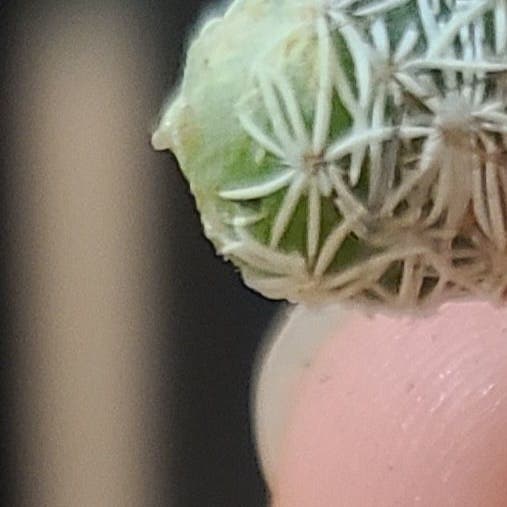
🍍 Why Are the Leaves on My Pineapple Cactus Turning Yellow?
Coryphantha sulcata
By the Greg Editorial Team
Jun 18, 2024•4 min read
This article was created with the help of AI so we can cover more plants for you. May contain errors. See one? Report it here.
Discover how to turn your Pineapple Cactus's SOS 🆘 yellow leaves back to lush green with simple care tweaks! 🌵
- Yellowing isn't just aging; it signals distress like over/underwatering or pests.
- Balance water and light to prevent yellowing from root rot or sunburn.
- Regular inspections help catch pests and diseases early, keeping cactus healthy.
Spotting the Signs: When Yellow Means Trouble
🚨 Recognizing Natural Aging vs. Warning Signals
Yellowing leaves on your Pineapple Cactus can be deceptive. It's normal for the bottom leaves to yellow and drop as they age. But when the top or new growth starts to pale, it's not just old age—it's a distress call.
🕵️ Identifying Common Symptoms of Distress
Patterns matter. Uniform yellowing could point to a nutrient deficiency or watering issue. Yellow spots or edges? Think sunburn or temperature stress. Black or brown spots with a yellow halo scream fungal problems or pests. These are the signs that say, "Hey, I need some help here!"

Root of the Problem: Uncovering Causes of Yellowing
🌧️ Too Much Love: The Perils of Overwatering
Yellowing leaves on your Pineapple Cactus might be a cry for help against overwatering. When the soil feels more like a bog and the base of your plant is soft, it's a classic case of root rot. This is your cue to cut back on the H2O and let the soil dry out.
🏜️ Thirsty Spikes: The Impact of Underwatering
Conversely, a cactus that's too dry will also sport yellow leaves. If the soil is bone-dry and the plant feels lighter than it should, your cactus is dehydrated. Time to quench its thirst, but remember, moderation is key.
🌞 Sun Kissed or Sun Scorched?
The right amount of sunlight can be a tightrope walk. If your cactus is yellowing and crispy, it's likely been sunburned. Move it to a spot with indirect light and watch for recovery signs. Not enough sun, and it'll start to look pale and under the weather.
🐜 Unwanted Guests: Pests and Diseases
Keep an eye out for the uninvited—pests and diseases. Mealybugs, spider mites, and scale insects can turn your cactus yellow as they feast. For diseases, avoid wetting the leaves unnecessarily, and treat any infections with appropriate fungicides or insecticides.

Turning Back the Yellow Tide: Immediate Actions
💧 Fine-Tuning Your Watering Technique
If your Pineapple Cactus is throwing a yellow flag, watering habits need a makeover. Check the soil before you water; if the top inch feels like a drought's hit, it's time to quench its thirst. But if it's damp, hold your horses—overwatering is the fast track to root rot city.
☀️ Shifting to the Perfect Light
Your cactus craves sunlight like a cat craves a warm lap, but too much and it's sunburn city. Aim for that bright, indirect light sweet spot. If your cactus is looking more sun-kissed than a lifeguard, dial it back and find a shadier spot.
🐜 Dealing with Pests and Infections
Pests and diseases are party crashers for your cactus. If you spot any freeloaders, it's time for an eviction notice. Use the right insecticide or fungicide—think of it as bouncer at the door. And remember, isolation is key; quarantine your cactus to prevent a pest epidemic.

Keeping the Green: Prevention Strategies
🚰 Mastering the Watering Schedule
Creating a watering routine is like setting an alarm clock for your Pineapple Cactus. It craves consistency. Let the top inch of soil dry before you even think about watering again. This isn't about quenching thirst on autopilot; it's about checking the soil's moisture level like you'd check your phone for messages.
🌞 Monitoring Sunlight and Shade
Your Pineapple Cactus needs that perfect indirect light—not too much, not too little. Think of it as finding the right spot for your sunglasses on a bright day. Adjust the plant's position to avoid the full wrath of the sun, but don't shove it into the dark corners of your room either.
👩🌾 Regular Health Checks
Routine inspections are your secret weapon against yellowing leaves. Peek under the foliage, check for pests, and ensure good air circulation. It's like giving your plant a regular health check-up, minus the cold stethoscope. Keep the area clean and don't let dust settle, because cleanliness is next to cactus godliness.
⚠️ Safety First
This content is for general information and may contain errors, omissions, or outdated details. It is not medical, veterinary advice, or an endorsement of therapeutic claims.
Always consult a qualified healthcare professional before using any plant as food, medicine, or supplement.
Never eat any plant (or feed one to pets) without confirming its identity with at least two trusted sources.
If you suspect poisoning, call Poison Control (800) 222-1222, the Pet Poison Helpline (800) 213-6680, or your local emergency service immediately.
Spotted an error? Please report it here.
Prevent your Pineapple Cactus from turning yellow by following Greg's tailored watering reminders 🌵, keeping your spiky friend healthy and happy!