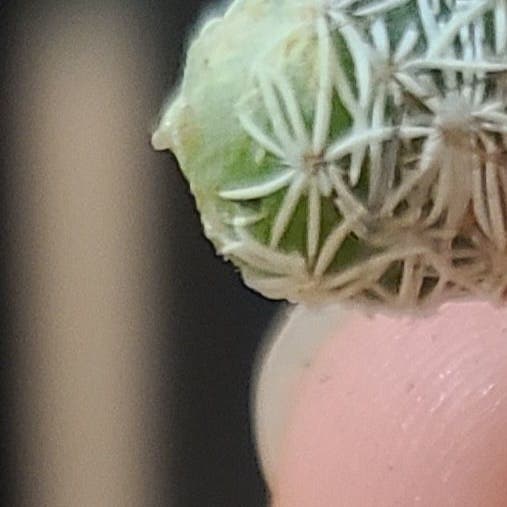
🍍 Pineapple Cactus Is a Garden Plant, Not a Weed
Coryphantha sulcata
By the Greg Editorial Team
Oct 02, 2024•4 min read
This article was created with the help of AI so we can cover more plants for you. May contain errors. See one? Report it here.
Elevate your garden's beauty and support wildlife 🌼 with the resilient pineapple cactus, a true pollinator's paradise! 🌵
- 🌵 Pineapple cactus thrives in full sun and well-drained soil for optimal growth.
- 🐝🌼 Attracts pollinators like bees and butterflies, enhancing garden biodiversity.
- 🌿 Low-maintenance and drought-tolerant, perfect for eco-conscious gardeners.
Growth Habits
Typical Patterns 🌼
Pineapple cactus exhibits a charming clumping habit, typically reaching heights of 12 to 24 inches. Its flowering season spans from spring to early summer, during which it attracts a variety of pollinators, including bees and butterflies.
Natural Limits and Spread 🌵
This resilient plant thrives in well-drained soils and requires full sun exposure to flourish. Its tolerance for drought and poor soil conditions helps limit excessive growth, making it a manageable addition to any garden.
Management Strategies ✂️
To maintain the desired aesthetics of your garden, regular monitoring and controlled planting are essential. Techniques such as pruning and careful spacing can effectively manage the size and spread of pineapple cactus, ensuring it remains an attractive feature in your landscape.
By understanding these growth habits, you can create a thriving environment for your pineapple cactus while enjoying its unique beauty. Next, let’s explore its ecological role and the benefits it brings to wildlife.
Ecological Role
🐝 Benefits to Wildlife
Pineapple cactus is a magnet for pollinators. Its vibrant flowers attract bees and butterflies, making it a lively addition to any garden.
Beyond just attracting pollinators, this cactus provides essential habitat and food sources for local fauna. Birds and small mammals find shelter and sustenance among its spiky arms, creating a mini-ecosystem.
🌱 Interactions with Other Plants
This cactus thrives alongside drought-tolerant and xeriscape plants. Its adaptability allows it to coexist harmoniously with other species that share similar water and sunlight needs.
Moreover, pineapple cactus plays a vital role in enhancing biodiversity within garden ecosystems. By incorporating it into your landscape, you contribute to a richer, more balanced environment that supports various forms of wildlife.
Incorporating pineapple cactus not only beautifies your garden but also fosters a thriving habitat for local creatures. This makes it a smart choice for eco-conscious gardeners looking to make a positive impact.
Garden Management
Incorporating into Designs 🌵
Pineapple cactus can elevate your garden design when grouped with other non-invasive plants. Consider creating clusters that highlight their unique shape and vibrant flowers, enhancing visual impact.
Pairing them with succulents, native grasses, and other cacti can create a stunning xeriscape. This combination not only looks great but also promotes a sustainable garden ecosystem.
Aesthetic Considerations 🎨
The pineapple cactus brings a distinctive flair to any landscape. Its unique appearance captures attention and adds a lively touch to your garden.
Throughout the year, watch for seasonal changes as it flowers in spring and early summer. These shifts in growth patterns keep your garden dynamic and engaging, making it a joy to observe.
Comparison to Other Plants
🌵 Similar Non-Invasive Options
When considering non-invasive cacti and succulents for your garden, several options stand out. Varieties like the Barrel Cactus and Hens and Chicks offer similar drought tolerance and low maintenance, making them excellent companions for the pineapple cactus.
- Barrel Cactus: Known for its round shape and vibrant blooms, it thrives in similar conditions.
- Hens and Chicks: These rosettes spread easily but remain manageable, providing ground cover without overwhelming other plants.
These plants not only share growth habits but also contribute positively to the ecosystem, attracting pollinators and supporting local wildlife.
🌟 Unique Qualities
The pineapple cactus boasts a distinctive appearance that sets it apart from other garden plants. Its pineapple-like structure and vibrant flowers create a striking visual impact, making it a conversation starter in any landscape.
Additionally, this cactus is incredibly drought-resistant. Its low maintenance requirements make it a favorite for gardeners looking to create beautiful yet sustainable spaces. With minimal care, you can enjoy its unique charm year-round, enhancing your garden's aesthetic without the hassle.
Incorporating the pineapple cactus alongside other non-invasive plants can create a thriving garden ecosystem. This combination not only enhances biodiversity but also ensures your garden remains visually appealing and environmentally friendly.
Legal and Environmental Considerations
🌱 Classifications and Guidelines
When planting pineapple cactus, it's essential to be aware of local regulations regarding non-invasive species. Many regions have guidelines that promote the use of native and non-invasive plants to protect local ecosystems.
Choosing non-invasive plants like the pineapple cactus supports sustainable gardening practices. This not only enhances your garden's beauty but also contributes positively to the environment.
♻️ Sustainable Practices
Incorporating pineapple cactus into xeriscaping and low-water gardens is a smart move. These practices conserve water while creating vibrant, low-maintenance landscapes.
Moreover, pineapple cactus plays a vital role in improving soil health and providing habitats for local wildlife. By selecting such plants, you're fostering a thriving ecosystem right in your backyard.
As you consider your garden design, remember that every choice can lead to a more sustainable and beautiful environment. Transitioning to the next section, let’s explore how to incorporate pineapple cactus into your garden designs effectively.
⚠️ Safety First
This content is for general information and may contain errors, omissions, or outdated details. It is not medical, veterinary advice, or an endorsement of therapeutic claims.
Always consult a qualified healthcare professional before using any plant as food, medicine, or supplement.
Never eat any plant (or feed one to pets) without confirming its identity with at least two trusted sources.
If you suspect poisoning, call Poison Control (800) 222-1222, the Pet Poison Helpline (800) 213-6680, or your local emergency service immediately.
Spotted an error? Please report it here.
Transform your garden with the vibrant pineapple cactus 🌵, and let Greg guide you with personalized care tips to ensure it thrives while supporting local wildlife!