🍍 What Do Pineapple Cactus Flowers Mean?
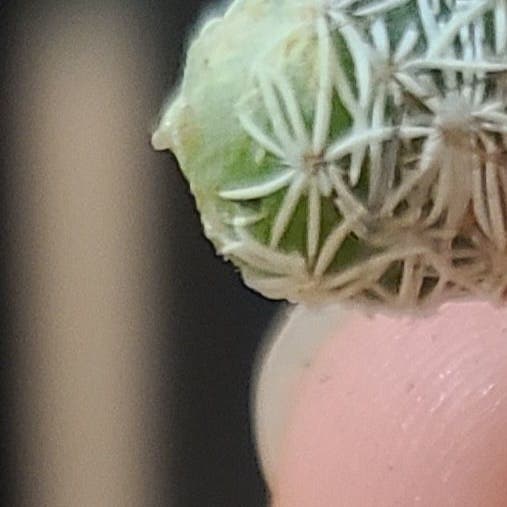
Coryphantha sulcata
By the Greg Editorial Team
Jun 18, 2024•5 min read
This article was created with the help of AI so we can cover more plants for you. May contain errors. See one? Report it here.
Unearth the secrets 🌵 of Pineapple Cactus blooms, symbols of resilience and rare beauty, and learn to nurture their flowering.
- 🌵 Symbolism of resilience and beauty in Pineapple Cactus flowers.
- Bright light and warmth are key to blooming; patience required.
- Post-bloom care extends flower life and encourages fruit growth.
Decoding the Language of Blooms
🌵 Cultural and Symbolic Meanings
Unveiling the mystique: What do the flowers symbolize? Pineapple Cactus flowers are not just a visual spectacle; they carry a weight of symbolism. Historically, flowers have served as a silent language, conveying messages of love, success, and other sentiments. The Pineapple Cactus bloom, though less documented in traditional florography, can be seen as a symbol of resilience and rare beauty, thriving in arid conditions where others may falter.
A bloom through time: Historical significance in different cultures. Across cultures, blooms have held various meanings. In some traditions, a cactus flower might represent protection or maternal love, given the plant's ability to endure and nourish life in harsh environments. Its rarity of bloom can also signify preciousness and the value of waiting for the right moment.
🌸 Personal and Emotional Resonance
Flowers and feelings: What blooms might mean for you. When your Pineapple Cactus flowers, it's more than just a botanical event; it's a personal milestone. This could symbolize the fruits of your labor, a nod to your dedication as a plant caretaker. The bright bloom can lift spirits, serving as a natural pick-me-up and a reminder of nature's unexpected gifts.
Each person may interpret the significance of their cactus blooming differently, but commonly it resonates with feelings of achievement and contentment. It's like receiving a silent applause from nature, acknowledging the care and attention you've invested into nurturing life.

Getting Your Pineapple Cactus to Flower
🌸 Prime Conditions for Blooming
☀️ Sunshine and Shadows: The Role of Light
Bright, sunny spots are non-negotiable for Pineapple Cactus to initiate blooming. Position your plant to soak up direct sunlight; a south-facing window is ideal. If your cactus is indoors and sunlight is as scarce as a rainy day in the desert, consider artificial grow lights to fill in.
🌡️ Warmth and Chills: Temperature Needs for Flowering
Keep the temperature consistently warm, between 65°F – 80°F. Anything cooler and your cactus might as well be hibernating. Sudden temperature drops are like cold showers to blooming aspirations—avoid at all costs.
🌱 The Dirt on Soil: Best Soil Conditions for Blooms
Well-draining soil is the secret sauce for flowering. Mix in some sand or perlite to ensure your cactus isn't sitting in moisture like a duck in a pond. Nutrient-rich soil is a plus—think of it as a gourmet meal for your plant.
🌱 Nurturing Techniques
💧 Watering Wisdom: Hydration for Healthy Blooms
Water every 12 days when not in direct sunlight, adjusting as needed for pot size and environmental humidity. Overwatering is the equivalent of drowning your plant's dreams—keep it balanced.
🌼 Feeding Your Flowers: Fertilization Do's and Don'ts
Fertilize with a 5-10-5 ratio mixture during the growing months to encourage those elusive blooms. Overfeeding is like force-feeding; it does more harm than good. Stick to light, frequent applications to keep your cactus from going on a hunger strike.

When Flowers Won't Show: Troubleshooting
🌵 Age and Size Considerations
Is your cactus old enough to bloom?
Patience is a virtue, especially when it comes to Pineapple Cactus blooms. If your cactus is still a youngster, it might just need more time to hit its blooming stride. Some cacti won't show their flowery faces until they've matured for several years, or even decades. If you're not the wait-and-see type, consider starting with a cactus that's already been through its floral debut.
Does size matter for Pineapple Cactus flowers?
Absolutely. Size isn't just about ego; it's about readiness. A cactus that's too small may not have the resources to support blooming. Ensure your plant has enough room to grow—both in its pot and in its environment.
🌵 Environmental and Stress Factors
Stress signals: Can they induce blooming?
Stress isn't just a human annoyance; it's a botanical tactic. Sometimes, a little environmental stress, like reduced watering or cooler temperatures, can nudge a stubborn cactus into bloom. But don't go overboard—balance is key. Think of it as a gentle push, not a shove.
Seasonal shifts: Understanding dormancy and bloom cycles
Cacti are not party animals; they need their beauty sleep. Dormancy is crucial for many cacti to bloom, mimicking the seasonal rest they would experience in the wild. If your indoor Pineapple Cactus isn't blooming, it might be missing the memo that it's time to rest. Cut back on watering and keep temperatures cooler to signal that it's time to chill out before the big bloom show.

Cherishing the Blooms: Post-Flowering Care
🌸 Sustaining the Splendor
After the Pineapple Cactus has put on its show-stopping display, the flowers' grand finale isn't the end. It's a crucial period where your actions can extend the vitality of the blooms and set the stage for future growth.
🌼 Post-Bloom Nutrition
Once the petals have taken their final bow, it's time for a nutrient boost. A balanced, water-soluble fertilizer will replenish the energy spent during flowering. Remember, moderation is key—think of it as a well-deserved snack, not an all-you-can-eat buffet.
✂️ Pruning and Maintenance
Deadheading, or removing spent flowers, is like giving your cactus a well-earned trim. It redirects energy back to the plant, encouraging growth and maintaining a tidy appearance. Use clean, sharp shears and snip at the base of the flower stalk.
🍍 From Flowers to Fruits
If you're lucky, the end of the bloom might signal the beginning of fruit development. It's a rare treat that requires patience and continued care. Keep an eye out for the tiny pineapples that might emerge, a sweet reward for your attentive gardening.
⚠️ Safety First
This content is for general information and may contain errors, omissions, or outdated details. It is not medical, veterinary advice, or an endorsement of therapeutic claims.
Always consult a qualified healthcare professional before using any plant as food, medicine, or supplement.
Never eat any plant (or feed one to pets) without confirming its identity with at least two trusted sources.
If you suspect poisoning, call Poison Control (800) 222-1222, the Pet Poison Helpline (800) 213-6680, or your local emergency service immediately.
Spotted an error? Please report it here.
Discover the resilience 🌵 of Pineapple Cactus flowers and let Greg guide you to celebrate their rare beauty with a personalized care plan that nurtures every bloom.