🍍 Top 3 Companion Ideas for a Thriving Pineapple Cactus
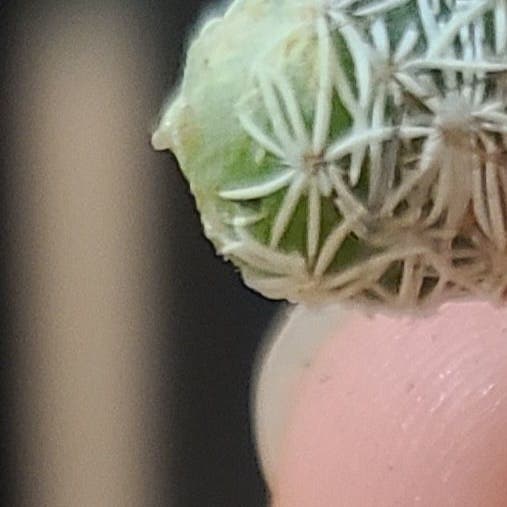
Coryphantha sulcata
By the Greg Editorial Team
Oct 02, 2024•4 min read
This article was created with the help of AI so we can cover more plants for you. May contain errors. See one? Report it here.
Elevate your Pineapple Cactus garden 🌵 with perfect companions that enhance beauty and naturally deter pests!
- 🌵 Echinopsis and Sedum are ideal companions, enhancing health and repelling pests.
- 🌞 Agave thrives alongside Pineapple Cactus, sharing care needs and sunlight preferences.
- 🎨 Thoughtful arrangement of companions boosts visual appeal and garden health.
Top Companion Plants for Pineapple Cactus
🌵 Echinopsis
Echinopsis is an excellent companion for your Pineapple Cactus. It thrives in arid conditions and requires minimal watering, making it easy to care for.
This plant also emits compounds that deter common pests like aphids and mealybugs. With its vibrant flowers, Echinopsis beautifully complements the spiky appearance of the Pineapple Cactus.
🌼 Sedum
Sedum is another fantastic choice for companionship. Like the Pineapple Cactus, it is drought-tolerant and prefers well-draining soil.
Additionally, Sedum attracts beneficial insects that prey on pests, enhancing your garden's health. Its variety of colors and textures adds visual interest, enriching the overall aesthetic of your cactus garden.
🌿 Agave
Agave is a striking companion that shares similar care needs with the Pineapple Cactus. It thrives in bright sunlight and requires minimal water, making it a low-maintenance option.
The thick, fleshy leaves of Agave can deter pests due to their tough texture. Plus, its rosette shape and bold foliage introduce architectural interest, elevating the visual appeal of your garden.
These companion plants not only share care requirements but also contribute to a thriving ecosystem around your Pineapple Cactus. By selecting the right companions, you can enhance both the health and beauty of your garden.
Plants to Avoid
🌿 Ferns
Ferns may seem like a lovely addition, but they thrive in moist, shaded environments. This preference can lead to overwatering issues for your Pineapple Cactus, which prefers dry conditions.
🍽️ Heavy Feeders
Heavy feeders, like certain flowering plants, can also be problematic. They compete for nutrients and water, potentially stressing your Pineapple Cactus and hindering its growth.
Avoiding these plants will help ensure your Pineapple Cactus remains healthy and vibrant. By choosing compatible companions, you can create a thriving garden that showcases the unique beauty of your cactus.
Pest Management
🌿 Natural Pest Deterrents
Companion plants can be your best allies in pest management. They create a natural barrier or attract beneficial insects that keep pest populations in check.
🤝 Effective Companions
Echinopsis and Sedum stand out as effective companions for your Pineapple Cactus. Echinopsis emits compounds that deter common pests like aphids and mealybugs, while Sedum attracts beneficial insects that prey on these nuisances.
🌼 Benefits of Companion Planting
By incorporating these pest-repelling companions, you not only protect your Pineapple Cactus but also enhance the overall health of your garden. This natural approach reduces the need for chemical pesticides, making your gardening experience more sustainable.
📝 Practical Tips
When selecting companion plants, consider their growth habits and compatibility. Grouping Echinopsis and Sedum with your Pineapple Cactus can create a thriving ecosystem that supports both aesthetics and pest management.
Incorporating these strategies will help you maintain a healthy and vibrant cactus garden. Next, let’s explore how to create a visually appealing arrangement with your companion plants.
Visual Appeal
Creating a visually appealing cactus garden is all about balancing color and texture. When selecting companion plants, consider how their hues and forms contrast with the Pineapple Cactus.
🎨 Importance of Color Contrast
Color contrast can make your garden pop. Pair the vibrant greens of Sedum with the spiky silhouette of the Pineapple Cactus for a striking effect.
🌿 Texture Variety
Texture adds depth to your garden. The smooth surfaces of Echinopsis flowers can beautifully complement the ruggedness of the cactus, creating a dynamic visual experience.
🪴 Arranging Companion Plants
Proper arrangement is key to aesthetic balance. Space plants to allow for growth while ensuring they don’t overshadow each other.
📏 Tips for Spacing and Layering
- Layer Heights: Place taller plants like Agave at the back and shorter ones like Sedum in front.
- Group Similar Colors: Cluster plants with similar colors for a cohesive look.
- Consider Growth Patterns: Be mindful of how each plant grows to avoid overcrowding.
By thoughtfully selecting and arranging your plants, you can create a stunning cactus garden that thrives both visually and ecologically. This not only enhances the beauty of your space but also supports the health of your Pineapple Cactus.
Next, let’s explore how these companion plants can help with pest management, ensuring your garden remains vibrant and healthy.
⚠️ Safety First
This content is for general information and may contain errors, omissions, or outdated details. It is not medical, veterinary advice, or an endorsement of therapeutic claims.
Always consult a qualified healthcare professional before using any plant as food, medicine, or supplement.
Never eat any plant (or feed one to pets) without confirming its identity with at least two trusted sources.
If you suspect poisoning, call Poison Control (800) 222-1222, the Pet Poison Helpline (800) 213-6680, or your local emergency service immediately.
Spotted an error? Please report it here.
Elevate your Pineapple Cactus garden with perfect companions like Echinopsis and Sedum, and let Greg guide you with tailored care tips to ensure your plants thrive beautifully together! 🌵✨