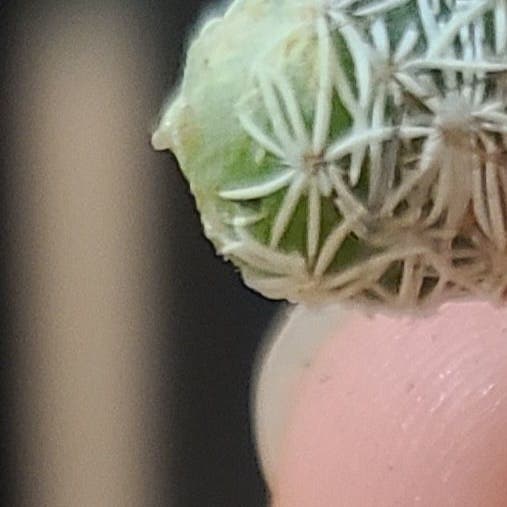
🍍 Common Pineapple Cactus Problems
Coryphantha sulcata
By the Greg Editorial Team
Feb 06, 2024•4 min read
This article was created with the help of AI so we can cover more plants for you. May contain errors. See one? Report it here.
Nurture your Pineapple Cactus 🌵 to perfection by sidestepping these common yet fixable problems!
- 🌵 Yellow stems and mushiness signal over-watering; let soil dry out first.
- Scorch marks mean too much sun; Pineapple Cacti prefer bright, indirect light.
- Combat pests and root rot with natural predators and proper watering.
Water Woes: Too Much or Too Little
🌊 Over-watering Hazards
Yellowing stems and a mushy texture are the cactus equivalent of a white flag. Over-watering can turn your Pineapple Cactus into a soggy mess. If the soil squishes under your finger, you've overdone the hydration.
Drying out is the game plan here. Cut back on the water and let the soil dry out to the touch before the next watering. Consider improving drainage if your cactus is sitting in a swampy pot.
🏜️ The Thirsty Cactus
A shriveled Pineapple Cactus is a thirsty one. When the stems look more wrinkled than a crumpled paper bag, it's time to water.
To quench the thirst, water deeply but allow the soil to dry out between sessions. This encourages deeper root growth and a more resilient plant. Remember, consistency is key, so keep a watchful eye on the soil's moisture level.
Light and Temperature: Finding the Sweet Spot
🌞 Sunburn and Shade
Scorch marks on your Pineapple Cactus are a red flag—it's had too much sun. These unsightly blemishes are the plant world's equivalent of a bad sunburn. To prevent these crispy patches, adjust the light your cactus receives. It thrives in bright, indirect sunlight, so consider using a sheer curtain to filter the harsh rays or moving it to a spot with dappled shade.
🌡️ Temperature Tantrums
Your cactus can throw a real fit when temperatures aren't just right. If you notice wilting or discoloration, it's a sign of temperature stress. The ideal range for your Pineapple Cactus is between 70-80°F (21-27°C). Keep it away from drafty windows and direct heat sources. In extreme temperatures, relocate your cactus to a more suitable environment to avoid the drama.
The Unseen Enemies: Pests and Diseases
🐜 Pests on Patrol
Pineapple Cactus pests are the uninvited guests at your plant's party. Spider mites spin tiny webs, while aphids leave a sticky residue. It's crucial to identify these pests early to maintain your cactus's health.
🚪 Eviction Notice
To give pests the boot, consider natural predators like ladybugs, which can act as your plant's knights in shining armor. For a more direct approach, insecticidal soaps and neem oil are effective bouncers, showing pests the door without harsh chemicals.
🍄 Fungal Foes and Mold
Mold and fungus on your Pineapple Cactus are like that one guest who overstays their welcome. White or black spots on your plant are a telltale sign of these unwelcome visitors.
🌬️ Clean-up Crew
Increase airflow and consider organic fungicides to combat mold and fungus. Isolation is also key; keep infected plants away from their healthy neighbors to prevent an epidemic. Remember to treat the entire plant, especially under the leaves, where pests love to hide.
Root Rot: The Silent Killer
🌵 Unearthing the Problem: How to Tell if Your Cactus Has Root Rot
Root rot is a cactus's nightmare, lurking unseen until it's often too late. Discoloration of the stem or a sudden halt in growth are your first red flags. When roots turn from a healthy white to a dismal black and feel more like soggy noodles than sturdy lifelines, you've got a case of root rot. A foul smell emanating from the soil is the olfactory confirmation no cactus lover wants.
🚑 Road to Recovery: Steps to Rescue Your Cactus from Root Rot
First, isolate the patient—root rot can spread like bad gossip. Don your plant surgeon gloves and gently remove your cactus from its pot. Shake off the soil and inspect the roots; healthy ones get a pass, rotted ones meet the sterilized scissors. After the amputation, let the cactus air out, but don't leave it sunbathing for too long. Repot in a fresh, well-draining mix, and reconsider your watering schedule. Your cactus doesn't need a daily dip, just a consistent sip. Remember, overwatering is like overfeeding—it's done with love but ends in regret.
⚠️ Safety First
This content is for general information and may contain errors, omissions, or outdated details. It is not medical, veterinary advice, or an endorsement of therapeutic claims.
Always consult a qualified healthcare professional before using any plant as food, medicine, or supplement.
Never eat any plant (or feed one to pets) without confirming its identity with at least two trusted sources.
If you suspect poisoning, call Poison Control (800) 222-1222, the Pet Poison Helpline (800) 213-6680, or your local emergency service immediately.
Spotted an error? Please report it here.
Ensure your Pineapple Cactus flourishes by tackling every challenge 🌵 with Greg's tailored watering schedules and proactive care tips, keeping it lush and healthy.