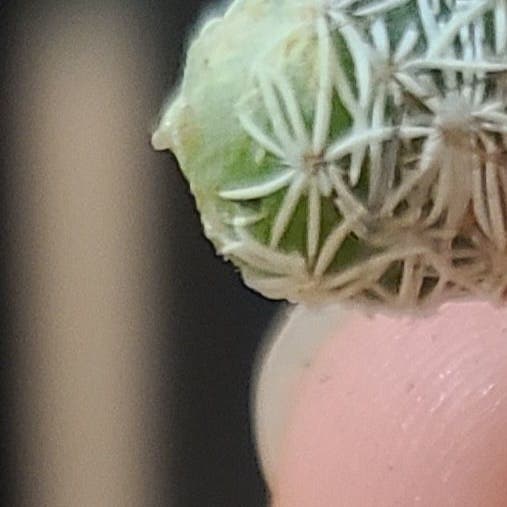
Diagnosing Pineapple Cactus Root Rot
Coryphantha sulcata
By the Greg Editorial Team
Jun 18, 2024•3 min read
This article was created with the help of AI so we can cover more plants for you. May contain errors. See one? Report it here.
Rescue your pineapple cactus 🌵 from root rot's grip with these life-saving diagnosis and treatment tips.
- Wilting, yellowing leaves and soft, dark roots signal root rot.
- Trim rotted roots and treat with fungicide for recovery.
- Adjust watering and use well-draining soil to prevent recurrence.
Spotting the Red Flags: Symptoms of Root Rot in Pineapple Cactus
🚩 Visual Clues
Above ground, wilting and yellowing leaves are the Pineapple Cactus's silent alarms. These symptoms are the plant's way of signaling a potentially serious issue beneath the soil.
🕵️ Below the Surface
Root health is crucial, and the signs of trouble are unmistakable. Soft, darkened roots are a clear indication of root rot. A healthy root should be firm and white, not mushy and discolored. If the roots emit a foul odor, it's a definitive distress signal.

Getting to the Root of the Problem: Diagnosis Techniques
🕵️♂️ Root Inspection
Unearth your Pineapple Cactus with care, shaking off excess soil to expose the roots. Healthy roots should be firm and white, while signs of root rot include roots that are brown, mushy, or emit a funky smell. Use sterilized shears to snip away any affected areas, preventing further damage.
🌿 Plant Health Assessment
Above-ground symptoms like yellowing leaves and wilting can signal distress linked to root issues. Correlate these signs with your root inspection findings to confirm root rot. If you're still unsure, consider sending a soil sample to a lab for pathogen identification. This can pinpoint the exact cause and help you choose the appropriate treatment.
Remember, overwatering can mimic root rot symptoms. If roots are dark but dry and brittle, you might be underwatering instead. Always assess the entire plant's condition, including watering habits and light exposure, to make an accurate diagnosis.

First Aid for Your Cactus: Immediate Treatment Steps
🏥 Surgical Measures
When root rot attacks your Pineapple Cactus, think of yourself as a surgeon in the ER. Sterilize your tools with alcohol or bleach—this isn't a suggestion, it's a must. Gently extract the cactus from its pot and inspect the roots. If they're black, mushy, and smell like last week's compost, it's time to cut. Trim away the rot, ensuring you remove a bit of the healthy-looking tissue too, as the rot can hide in plain sight. Once you've excised the infected parts, let the cactus air out. This is no time for coddling—tough love is the best medicine here.
🦠 Fungicide to the Rescue
After the amputation, it's fungicide time. Go for a copper-based product and coat the fresh cuts thoroughly. This isn't a marinade, so follow the instructions to the letter. Less is more when it comes to fungicides. Once treated, let the cactus wounds callous over in a dry, sunny spot before even thinking about repotting. When it's time to repot, choose a fresh cactus mix and a pot with proper drainage to avoid a repeat performance. Remember, no water for the first week—your cactus is in recovery, not a water balloon fight.

Aftercare and Prevention: Ensuring a Healthy Recovery
💧 Water Wisdom
After treating root rot, adjusting watering practices is essential. Overwatering is a common mistake, so ensure the soil is dry to the touch before watering again. Moist, not swampy, is the mantra for healthy cactus recovery.
🌱 Soil and Repotting
Choosing the right soil mix is like picking a good pair of jeans; it needs to fit well and be comfortable. For your pineapple cactus, that means well-draining soil that prevents water from pooling around the roots. When repotting, think of the pot size as the belt; it should be just right—not too tight, not too loose. Remember, drainage holes are your best friends, and terracotta pots are the go-to for their breathability.
⚠️ Safety First
This content is for general information and may contain errors, omissions, or outdated details. It is not medical, veterinary advice, or an endorsement of therapeutic claims.
Always consult a qualified healthcare professional before using any plant as food, medicine, or supplement.
Never eat any plant (or feed one to pets) without confirming its identity with at least two trusted sources.
If you suspect poisoning, call Poison Control (800) 222-1222, the Pet Poison Helpline (800) 213-6680, or your local emergency service immediately.
Spotted an error? Please report it here.
Ensure your pineapple cactus overcomes root rot by letting Greg's PlantVision 🔍 guide you through the signs and recovery, for a plant that's as resilient as you are.