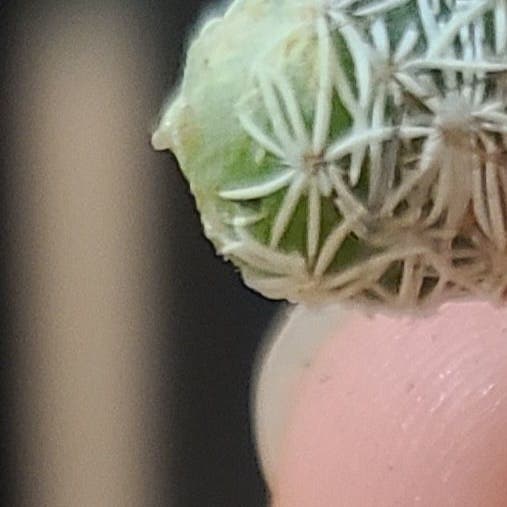
🍍 Pineapple Cactus Roots 101
Coryphantha sulcata
By the Greg Editorial Team
Oct 02, 2024•6 min read
This article was created with the help of AI so we can cover more plants for you. May contain errors. See one? Report it here.
Master pineapple cactus care 🌵 by understanding their unique root systems for vibrant growth and resilience!
- 🌵 Pineapple cacti have shallow, fibrous roots that thrive in arid conditions.
- 💧 Roots store water, enabling survival during droughts; water every 2-3 weeks.
- ⚠️ Signs of root rot include wilting and mushy roots; ensure well-draining soil.
Root System Characteristics
🌱 Type of Root System
Pineapple cacti feature a fibrous root system that is both shallow and wide-spreading. This unique structure allows them to efficiently absorb water in arid environments, making them well-suited for survival in dry conditions.
📏 Specific Characteristics of Roots
These roots have impressive water storage capabilities, enabling the plant to thrive even during droughts. Additionally, they demonstrate resilience to stress factors, playing a crucial role in nutrient uptake to support overall plant health.
Understanding these root characteristics is essential for anyone looking to cultivate a healthy pineapple cactus. By recognizing how these roots function, you can better care for your plant and ensure it flourishes in its environment.
Next, let’s explore the typical root depth and spread patterns of pineapple cacti.
Root Depth and Spread
🌱 Typical Root Depth and Spread Patterns
Pineapple cactus roots typically reach an average depth of 6 to 12 inches. However, they can spread impressively, extending up to 2 to 3 feet in diameter.
📈 Growth Patterns of Roots
Root growth varies with the seasons, adapting to environmental changes. Factors like temperature and moisture levels significantly influence how these roots develop over time.
Understanding these patterns helps in nurturing a healthy plant. By recognizing how roots behave, you can better cater to their needs, ensuring your pineapple cactus thrives.
Next, let’s explore how the root system affects watering and fertilizing practices.
Watering and Fertilizing
🌱 How Root System Affects Watering Needs
Pineapple cactus roots thrive in well-draining soil, which is crucial for preventing root rot. This type of soil allows excess water to escape, ensuring that the roots don’t sit in moisture, which can lead to decay.
During the growing season, aim to water your cactus every 2-3 weeks. This frequency helps maintain the right moisture balance, supporting healthy root development without over-saturating the soil.
🌿 Fertilization Techniques Tailored to Root Health
When it comes to fertilizing, opt for balanced fertilizers with NPK ratios. These nutrients—nitrogen, phosphorus, and potassium—are essential for robust root health and overall plant vitality.
Timing is key for fertilization. Focus on applying fertilizer in the spring and summer, aligning with the plant's active growth phase. This approach maximizes nutrient uptake and promotes a thriving root system.
Understanding the watering and fertilizing needs of your pineapple cactus is vital for its health. With the right care, you can ensure your cactus flourishes, setting the stage for the next section on common root-related issues.
Common Root-Related Issues
🦠 Identifying Root Rot and Other Diseases
Root rot is a sneaky adversary for pineapple cacti. Look for signs like wilting, yellowing leaves, and mushy roots. These symptoms indicate that your plant is struggling, often due to overwatering or poor drainage.
Other diseases can also affect roots, such as fungal infections. Keep an eye out for any unusual growths or discoloration, as these can signal deeper issues.
🛡️ Preventative Measures for Root Health
Preventing root problems starts with proper watering techniques. Ensure you’re not overwatering; pineapple cacti thrive in well-draining soil that allows excess moisture to escape.
Soil selection is crucial, too. Opt for a mix that promotes drainage, and consider adding perlite or sand to enhance aeration. This will help your cactus roots stay healthy and resilient against diseases.
By being proactive about these factors, you can maintain a thriving root system that supports your pineapple cactus's overall health.
Healthy vs. Unhealthy Roots
👀 Visual Cues for Assessing Root Health
Healthy roots are a sight to behold. They should be firm, white, and well-structured, indicating that your pineapple cactus is thriving.
On the flip side, unhealthy roots tell a different story. Look for dark, mushy, or foul-smelling roots, which are clear signs that something is amiss.
⚠️ Indicators of Stress in the Root System
Stress in the root system can manifest in various ways. Common signs include nutrient deficiency, which may show up as yellowing leaves or stunted growth.
Overwatering and underwatering can also wreak havoc. If you notice wilting or browning leaves, it’s time to reassess your watering routine to keep your cactus happy and healthy.
Understanding these visual cues and stress indicators is essential for maintaining a robust root system. This knowledge will set the stage for effective care and ensure your pineapple cactus flourishes.
Next, we’ll explore the challenges of rootbound plants and how to manage them effectively.
Rootbound Plants
Definition and Signs of Rootbound Conditions 🌱
Rootbound plants occur when the roots grow too densely within the pot, limiting their ability to absorb nutrients and water. You can spot a rootbound plant if you see roots growing out of the drainage holes or if the plant exhibits stunted growth.
Solutions for Managing Rootbound Conditions 🛠️
Knowing when to repot your cactus is crucial. Look for signs like slowed growth or roots visibly circling the pot.
To alleviate rootbound conditions, follow these steps:
- Remove the plant from its pot and gently loosen the roots.
- Trim any excessively long roots if necessary.
- Repot the plant in a larger container filled with fresh soil.
By addressing rootbound issues promptly, you can help your pineapple cactus thrive and flourish. This proactive approach ensures that your plant has the space it needs to grow strong and healthy.
Next, let’s explore the importance of root health in propagation and division.
Propagation and Division
🌱 Importance of Root Health in Propagation
Healthy roots are the backbone of successful propagation. They ensure that new plants can absorb nutrients and water efficiently, setting the stage for robust growth.
Timing is crucial when propagating pineapple cacti. The best period for this is during their active growth phase, typically in spring and summer. This ensures that the new plants have the best chance to thrive.
✂️ Techniques for Dividing and Propagating
There are two primary methods for propagating pineapple cacti: offsets and cuttings. Offsets are small plants that grow at the base of the parent plant, while cuttings involve snipping a healthy section of the cactus.
After you’ve divided or propagated your cactus, proper care is essential for root establishment. Ensure that the new plants are placed in well-draining soil and watered lightly until they show signs of new growth.
With the right techniques and care, your pineapple cactus can flourish and multiply, bringing a vibrant touch to your space.
⚠️ Safety First
This content is for general information and may contain errors, omissions, or outdated details. It is not medical, veterinary advice, or an endorsement of therapeutic claims.
Always consult a qualified healthcare professional before using any plant as food, medicine, or supplement.
Never eat any plant (or feed one to pets) without confirming its identity with at least two trusted sources.
If you suspect poisoning, call Poison Control (800) 222-1222, the Pet Poison Helpline (800) 213-6680, or your local emergency service immediately.
Spotted an error? Please report it here.
Unlock the secret to thriving pineapple cacti 🌵 with Greg's custom watering alerts and fertilization tips that keep their roots healthy and happy!