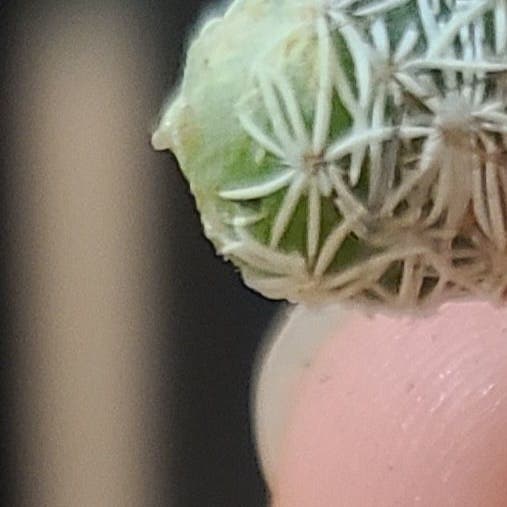
🍍 Growing Your Pineapple Cactus Outdoors
Coryphantha sulcata
By the Greg Editorial Team
Oct 02, 2024•6 min read
This article was created with the help of AI so we can cover more plants for you. May contain errors. See one? Report it here.
Transform your pineapple cactus 🌵 into a vibrant centerpiece with essential tips on sunlight, watering, and soil care! 🌞
- 🌞 Pineapple cacti need 6-8 hours of sunlight daily for healthy growth and blooms.
- 💧 Water sparingly; let soil dry completely to avoid root rot and mushy stems.
- 🌡️ Protect from extreme weather with frost cloths and shade cloths as needed.
Sunlight Requirements
Ideal Exposure 🌞
Pineapple cacti thrive in full sun, requiring 6-8 hours of direct sunlight daily. This exposure is crucial as it promotes flowering and enhances overall health.
Signs of Insufficient Sunlight 🚫
If your cactus shows signs of etiolated growth, such as stretched, leggy stems, it’s a clear indicator of insufficient sunlight. Additionally, you may notice reduced flowering, with fewer blooms during the growing season.
Adjusting Exposure 🌤️
To prevent sunburn, gradually acclimatize your cactus to full sun. Start by exposing it to sunlight for a few hours each day, then slowly increase the duration.
Using shade cloth can provide temporary protection during extreme heat. This helps your cactus adjust without suffering from sun damage.
With the right sunlight exposure, your pineapple cactus will flourish, setting the stage for healthy growth and vibrant blooms. Next, let’s explore the watering needs to keep your cactus thriving.
Watering Needs
General Guidelines 🌵
Pineapple cacti thrive on minimal watering. Allow the soil to dry out completely between waterings to prevent root rot.
During the growing season, aim to water every 2-4 weeks. In winter, reduce this frequency even further.
Signs of Overwatering 🚫
Watch for yellowing or mushy stems; these are clear signs of root rot. If your cactus wilts despite adequate moisture, it may indicate poor drainage.
Techniques 💧
Deep watering is essential to ensure moisture reaches the root zone.
Using well-draining pots or soil can significantly prevent water retention, keeping your cactus healthy and happy.
By mastering these watering techniques, you'll set your pineapple cactus up for success. Next, let’s explore the ideal soil preferences to complement your watering routine.
Soil Preferences
Ideal Composition 🌵
To thrive, your pineapple cactus needs well-draining soil. A cactus mix or a blend of sand, perlite, and potting soil works wonders, ensuring that excess water drains away quickly.
The pH level is also crucial. Aim for a slightly acidic to neutral range of 6.0 to 7.0 to keep your cactus healthy and vibrant.
Preparation Tips 🛠️
Improving drainage is key to preventing root rot. Consider adding coarse sand or gravel to your soil mix for better aeration.
Before planting, it's wise to conduct a percolation test. This simple step ensures that your soil drains properly, giving your cactus the best chance to flourish.
With the right soil in place, your pineapple cactus will be set for success. Next, let’s explore the fertilization guidelines to keep it thriving!
Fertilization Guidelines
Schedule 🌱
Fertilizing your pineapple cactus is essential for robust growth. Aim to feed it every 4-6 weeks during the growing season, using a balanced, water-soluble cactus fertilizer with an NPK ratio of 10-10-10.
Signs of Nutrient Deficiency 🚨
Keep an eye out for signs that your cactus might be lacking nutrients. Stunted growth and pale or yellowing leaves are clear indicators that it needs a nutrient boost.
Application Techniques 🛠️
When applying fertilizer, always follow the package instructions for proper dilution rates. Timing is crucial; fertilize during the active growth periods of spring and summer for the best results.
With these fertilization guidelines in mind, your pineapple cactus will thrive and flourish. Next, let’s explore the best soil preferences to ensure your cactus has a solid foundation for growth.
Planting Options
🌱 Container vs. In-Ground Benefits and Drawbacks
When deciding how to plant your pineapple cactus, consider the two primary options: container planting and in-ground planting. Each method has its own set of advantages and disadvantages that can impact your cactus's health and growth.
🪴 Container Planting
Container planting offers the benefit of mobility. You can easily move your cactus to optimize sunlight exposure or protect it from harsh weather.
However, this method comes with limitations. The restricted root space can stunt growth, and you'll need to water more frequently to keep the soil from drying out too quickly.
🌍 In-Ground Planting
In-ground planting allows for natural growth. Your cactus can spread its roots freely, which often leads to healthier plants with less frequent watering needs.
On the flip side, this option exposes your cactus to potential pests and unpredictable weather conditions. It's essential to monitor your plants closely to mitigate these risks.
Choosing between container and in-ground planting ultimately depends on your specific circumstances and preferences. Each method can yield beautiful results with the right care and attention.
Next, let’s explore effective protection strategies to keep your pineapple cactus thriving outdoors.
Protection Strategies
🌩️ Weather Protection Techniques
Protecting your pineapple cactus from extreme weather is crucial for its health. During cold snaps, use frost cloths or move pots indoors to shield them from frost damage.
In the heat of summer, providing temporary shade can help prevent sunburn. A simple shade cloth can work wonders, allowing your cactus to thrive without the risk of overheating.
🐜 Outdoor Pests and Management
Keeping an eye out for pests is essential for maintaining your cactus's health. Common pests include aphids, which leave a sticky residue and cause leaves to curl, and mealybugs, identifiable by their cotton-like masses on stems and leaves.
Management Strategies
To combat these pests, consider introducing natural predators like ladybugs or lacewings. They can help keep pest populations in check without harming your cactus.
If the infestation is severe, organic insecticides such as neem oil or insecticidal soap can be effective. These options are gentle on your plants while still delivering a punch to unwanted pests.
With the right protection strategies in place, your pineapple cactus will be well-equipped to face the elements and pests alike. Next, let's explore how to provide seasonal care to keep your cactus thriving throughout the year.
Seasonal Care
🌦️ Seasonal Changes and Their Impact
Caring for your pineapple cactus throughout the seasons is essential for its health and vitality. Each season brings unique challenges and opportunities for growth.
🌱 Spring: Active Growth Phase
As spring arrives, your cactus enters its active growth phase. This is the perfect time to increase watering and fertilization to support new growth.
☀️ Summer: Monitor for Pests
During the summer, keep a close eye on your cactus for pests. Ensure it receives adequate sunlight while also checking for any signs of distress.
🍂 Fall: Gradual Water Reduction
As temperatures begin to drop in fall, gradually reduce your watering schedule. This helps prepare your cactus for the cooler months ahead.
❄️ Winter: Minimal Watering and Frost Protection
In winter, your pineapple cactus requires minimal watering. Protect it from frost by bringing it indoors or using frost cloths if it's planted outside.
By understanding these seasonal changes, you can provide the best care for your pineapple cactus, ensuring it thrives year-round. Next, let’s explore the climate considerations that can further enhance your cactus's growth.
Climate Considerations
🌞 Best Climate Zones
Pineapple cacti thrive best in USDA zones 9-11. These zones provide the warm, dry conditions that these plants love, ensuring they grow strong and healthy.
❄️ Adaptation Strategies
If you're in a cold climate, consider container planting. This allows you to easily move your cactus indoors during chilly spells.
In humid climates, focus on excellent drainage and airflow. This helps prevent rot, keeping your pineapple cactus thriving even in less-than-ideal conditions.
With the right climate considerations, your pineapple cactus can flourish beautifully outdoors. Next, let’s explore the best practices for seasonal care to keep your cactus in top shape year-round.
⚠️ Safety First
This content is for general information and may contain errors, omissions, or outdated details. It is not medical, veterinary advice, or an endorsement of therapeutic claims.
Always consult a qualified healthcare professional before using any plant as food, medicine, or supplement.
Never eat any plant (or feed one to pets) without confirming its identity with at least two trusted sources.
If you suspect poisoning, call Poison Control (800) 222-1222, the Pet Poison Helpline (800) 213-6680, or your local emergency service immediately.
Spotted an error? Please report it here.
Transform your outdoor space with a flourishing pineapple cactus 🌞—Greg can help you succeed by providing tailored care reminders and tips to ensure your cactus gets the sunshine it craves!