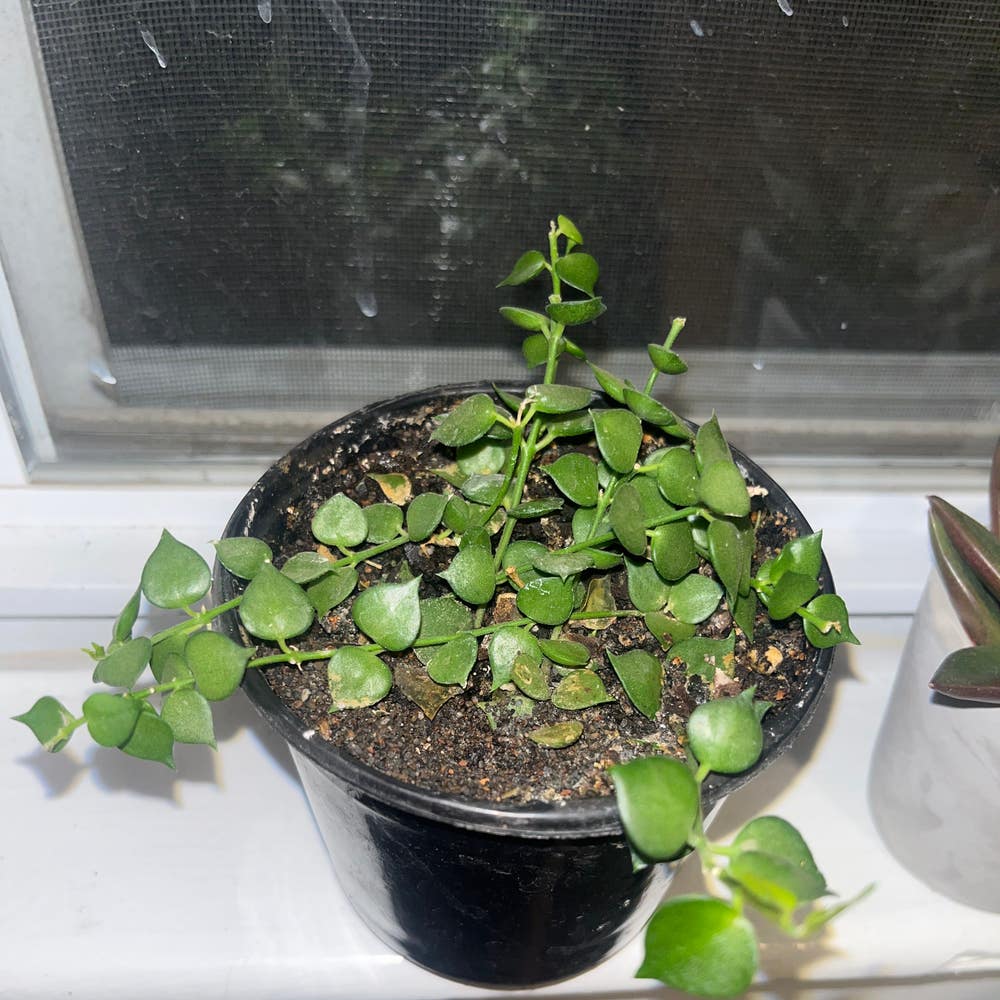
Best Spot to Plant Your Million Hearts ❤️
Dischidia ruscifolia
By the Greg Editorial Team
Sep 28, 2024•2 min read
This article was created with the help of AI so we can cover more plants for you. May contain errors. See one? Report it here.
Unlock the secret to thriving Million Hearts plants 🌿 by mastering their ideal sunlight, soil, and spacing needs!
- 🌞 Million Hearts thrive in bright, indirect light for 6-8 hours daily.
- 🌱 Well-draining, loamy soil with pH 6.0-7.0 is essential for healthy growth.
- 🌬️ Maintain air circulation by planting 2-3 feet away from structures.
Ideal Locations for Million Hearts
☀️ Sunlight Exposure Requirements
To thrive, Million Hearts plants need bright, indirect light for about 6-8 hours daily. While they can tolerate partial shade, they truly flourish in well-lit spaces.
Signs that your plant isn't getting enough light include leggy growth and pale leaves. For the best results, position them near windows or in bright garden areas.
🌱 Soil Type Preferences
Million Hearts prefer well-draining soil rich in organic matter. Aim for a soil pH between 6.0 and 7.0, which is slightly acidic to neutral.
Good drainage is crucial to prevent root rot and promote healthy growth. Consider incorporating compost or peat moss to enhance soil texture.
🏡 Proximity to Structures and Other Plants
When planting Million Hearts, avoid overcrowding with other plants. Ideally, maintain a distance of 2-3 feet from structures to ensure proper air circulation.
This spacing reduces competition for nutrients and light. Additionally, choose companion plants that share similar light and water needs for optimal growth.
🔍 Assessing the Best Spot
🕵️ Evaluating Sunlight Patterns
Observe how sunlight moves across your space throughout the day. Morning light differs from afternoon light, so take note of where shadows fall.
You can use a sunlight meter or simply rely on your observations. Identify shaded areas caused by trees, fences, or buildings that may block light.
🌧️ Understanding Soil Drainage and Composition
To test soil drainage, dig a hole and fill it with water. Monitor how quickly it drains; ideally, it should empty within 1-2 hours.
Loamy soil is preferred for Million Hearts, so steer clear of heavy clay or compacted soils that can hinder growth.
🌬️ Environmental Factors
🛡️ Wind Protection Strategies
Wind can be detrimental to Million Hearts, causing leaf damage and stress. To protect them, consider using natural barriers like hedges or taller plants.
Structural barriers such as fences or trellises can also provide essential wind protection.
🍂 Seasonal Changes and Their Impact
As seasons change, reassess your plant's location to account for variations in sunlight. Temperature fluctuations can affect growth, so ensure consistent warmth.
In winter, protect your plants from frost by moving pots indoors or using row covers. This proactive approach will help your Million Hearts thrive year-round.
With the right conditions, your Million Hearts will flourish, setting the stage for vibrant growth and stunning displays. Next, let’s explore how to assess these ideal conditions effectively.
⚠️ Safety First
This content is for general information and may contain errors, omissions, or outdated details. It is not medical, veterinary advice, or an endorsement of therapeutic claims.
Always consult a qualified healthcare professional before using any plant as food, medicine, or supplement.
Never eat any plant (or feed one to pets) without confirming its identity with at least two trusted sources.
If you suspect poisoning, call Poison Control (800) 222-1222, the Pet Poison Helpline (800) 213-6680, or your local emergency service immediately.
Spotted an error? Please report it here.
Give your Million Hearts the perfect spot 🌞 to thrive with Greg's tailored care tips and reminders for optimal light and soil conditions!