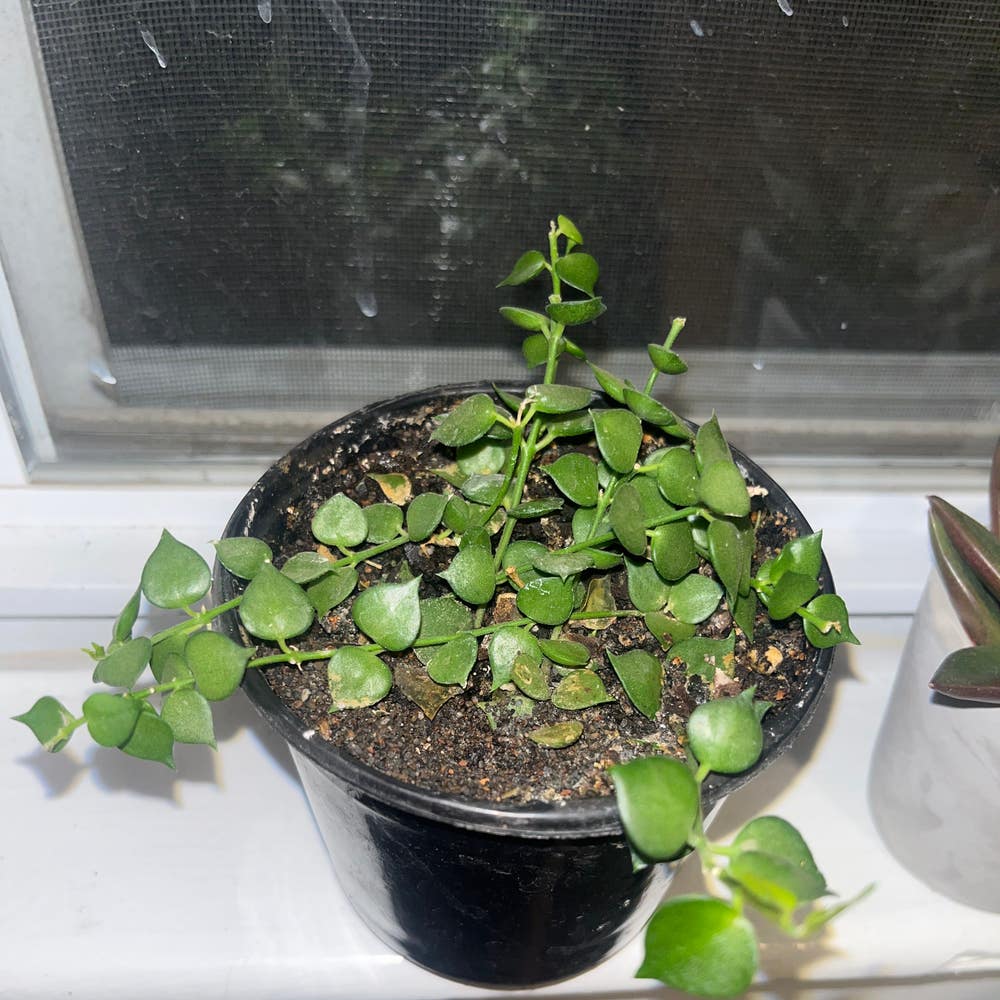
Should I Repot My Million hearts And If So, How?
Dischidia ruscifolia
By the Greg Editorial Team
Jun 18, 2024•3 min read
This article was created with the help of AI so we can cover more plants for you. May contain errors. See one? Report it here.
Discover the secret to a flourishing Million Hearts 🌿—know precisely when and how to repot for unstoppable growth!
- Roots peeking out? Time to repot your Million Hearts.
- Choose a pot 1-2 inches larger with proper drainage.
- Adjust watering post-repotting, check soil dryness regularly.
Spotting the Telltale Signs for Repotting
🕵️♂️ Root Check-Up
Roots peeking through drainage holes or circling the pot's base are your Million Hearts' way of saying, "I need more space." It's the plant equivalent of a packed elevator—time to move to a bigger one.
Plant Health and Growth
When your Million Hearts' growth slows or the soil dries out faster than a sponge in the sun, it's not just being quirky—it's constrained. These signs are like a plant's version of tapping out in a wrestling match; it's time to repot.

Picking the Perfect Pot
📏 Size Matters
When it comes to repotting Million Hearts, size is key. The new pot should be 1-2 inches larger in diameter than the current one. This provides enough space for growth without leaving too much empty soil, which can lead to overwatering.
🏺 Material World
Material affects your plant's health. Terra cotta pots are porous, offering excellent breathability and moisture control. Plastic pots retain water longer, which can be helpful or harmful, depending on your watering habits. Ceramic pots strike a balance, less porous than terra cotta but still providing some airflow. Choose based on your plant's needs and your own watering routine.

The Repotting Rundown
🏠 Prepping the New Home
Before you get your hands dirty, ensure your new pot is ready to become the Million Hearts' next abode. Size is key; pick a pot that's just a notch bigger than the current one—think of Goldilocks, not too big, not too small, just right. A pot too large can drown your plant in excess water, while too small means you'll be doing this all over again soon. Drainage holes are non-negotiable to avoid waterlogged roots. A coffee filter or mesh at the bottom keeps the soil from escaping during watering.
🚚 The Big Move
Time for the transplant tango. Water your plant a day before to make the soil cooperative. Gently coax the Million Hearts out by squeezing the pot or turning it sideways, but don't yank—no one likes roughhousing. Inspect the roots; if they're doing the twist around the pot, it's definitely time. Trim any dead or suspicious-looking roots to keep things healthy. Tease the roots to encourage them to explore their new space.
🌱 Soil Selection
Your choice of soil is like a tailored suit; it needs to fit just right. Aim for a well-draining mix, similar to what your plant is used to. A blend of potting mix, bark, perlite, and moisture-retaining elements like coconut coir will make for a happy plant. Remember, regular potting soil is the sweatpants of soil—comfortable but not always appropriate. Get the mix right, and you'll see your Million Hearts flourish.

Post-Repotting Care Tips
💧 Watering Wisdom
After repotting your Million Hearts, watering habits need a revamp. The fresh soil and new pot size can throw off your previous routine. Check the top inch of soil; if it's dry, it's time to water. But don't drown your plant in enthusiasm—soggy soil is a no-go. Keep the moisture consistent, not a floodgate.
🏡 Settling In
Help your plant ease into its new abode. Initially, place it in a spot with indirect light to avoid leaf scorch. Gradually, over about a week, introduce it to its usual light conditions to prevent undue stress. Remember, your Million Hearts isn't craving a sunbath right after the move. It's more about finding a comfy spot with the right vibes.
⚠️ Safety First
This content is for general information and may contain errors, omissions, or outdated details. It is not medical, veterinary advice, or an endorsement of therapeutic claims.
Always consult a qualified healthcare professional before using any plant as food, medicine, or supplement.
Never eat any plant (or feed one to pets) without confirming its identity with at least two trusted sources.
If you suspect poisoning, call Poison Control (800) 222-1222, the Pet Poison Helpline (800) 213-6680, or your local emergency service immediately.
Spotted an error? Please report it here.
Ensure your Million hearts thrives in its new pot by following Greg's tailored repotting reminders 🌿, making the transition as smooth as the soil it grows in.